

Best Camera Gear for Tanzania Safaris
Best Camera Gear for Tanzania Safaris: Capture Every Wild Moment
A Tanzania safari is one of the most visually stunning adventures in the world. From the vast plains of the Serengeti and the dramatic Ngorongoro Crater to the shimmering lakes and acacia-dotted landscapes, every corner offers something worth photographing. But to make the most of these moments, you’ll need the right camera gear. Whether you’re a beginner, enthusiast, or professional photographer, choosing the best camera gear for Tanzania safaris will help you return home with powerful images and unforgettable memories.
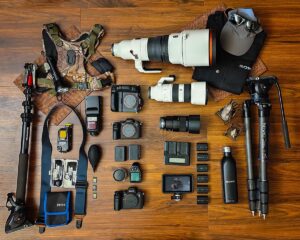
This blog covers the must-have camera gear, accessories, settings, and tips to ensure you’re ready for anything—from lions on the hunt to sweeping savannah sunsets.
Why Your Camera Gear Matters on Safari
Wildlife photography is different from everyday travel photography. Animals are often far away, constantly moving, and sometimes active in low light. You don’t get a second chance to capture a lion chasing a wildebeest or a leopard leaping into a tree. The best camera gear for Tanzania safaris allows you to adapt quickly, zoom without losing detail, and shoot confidently in harsh light or dusty conditions.
Camera Bodies: DSLR vs Mirrorless vs Bridge Cameras
DSLR Cameras
DSLRs are reliable, fast, and great for wildlife photography. Brands like Canon (EOS 90D, 5D Mark IV) and Nikon (D7500, D850) remain favorites for serious photographers due to long battery life and fast autofocus. Pros: Interchangeable lenses, long battery, high image quality. Cons: Heavier, bulkier, louder shutter sound.
Mirrorless Cameras
Modern mirrorless cameras from Sony (A7R IV, A1), Canon (R5, R6), and Nikon (Z6 II, Z9) are quickly becoming the go-to for wildlife due to their speed and light weight. Pros: Lighter, silent shutter, great image quality, fast AF tracking. Cons: Shorter battery life, requires extra batteries.
Bridge Cameras
A great option for beginners or travelers who want an all-in-one zoom. The Sony RX10 IV or Canon PowerShot SX70 HS offer long zoom capabilities in a compact form. Pros: Affordable, powerful zoom, compact. Cons: Smaller sensor, limited in low light.
Tip: If you’re bringing only one camera, choose a body that balances performance, durability, and weight. The best camera gear for Tanzania safaris should survive heat, dust, and rough rides.
Best Lenses for Safari Photography
Your lens is arguably more important than the camera body for safari photography. Here’s a breakdown of what you’ll need:
Telephoto Zoom Lens (200–600mm)
This is the most essential lens for wildlife. It allows you to capture animals from a distance without disturbing them. Top options include the Sony 200-600mm f/5.6-6.3 G OSS, Canon RF 100-500mm f/4.5-7.1L IS USM, and Nikon 200-500mm f/5.6E ED VR. Why: Zoom flexibility helps track moving animals. Ideal for big cats, birds, and action scenes.
Standard Zoom Lens (24–70mm or 24–105mm)
Great for wide shots of the landscape, vehicle interiors, or animals close to the safari vehicle. Top picks include Canon RF 24-105mm f/4L IS USM, Nikon Z 24-70mm f/4 S, and Sony 24-105mm f/4 G OSS. Why: The best balance between wildlife and environmental storytelling.
Wide-Angle Lens (14–24mm or 16–35mm)
Perfect for dramatic landscapes, sunsets, or scenes of herds across the plains. Recommended options include Nikon 14-24mm f/2.8 S, Canon RF 15-35mm f/2.8L, and Sony 16-35mm f/2.8 GM. Why: Gives a sense of scale to the Serengeti plains or Ngorongoro Crater.
Prime Lenses (Optional)
If you want low-light performance or incredible sharpness, bring a 300mm or 400mm prime, or a fast 85mm or 135mm for portraits and details.
Tip: Dust and lens changes don’t mix well on safari. If possible, bring two camera bodies so you don’t have to swap lenses frequently.
Essential Accessories for Safari Photography
To truly have the best camera gear for Tanzania safaris, don’t forget the accessories that make your work easier:
Bean Bag or Window Mount
Tripods are difficult to use in safari vehicles. Bean bags (like LensCoat LensSack) stabilize your long lenses by resting them on the vehicle door or window frame.
Extra Batteries and Memory Cards
Dust, heat, and long shooting days can eat through batteries. Carry at least 3–4 batteries and 2–3 large-capacity memory cards (64GB–128GB).
Camera Rain Cover or Dry Bags
Weather can be unpredictable. Lightweight rain covers protect your camera during sudden showers or dusty drives.
Microfiber Cloths & Lens Brushes
You’ll clean your lens more often than you think—Tanzania’s dust is relentless.
Portable External Drive or Laptop
Backup your photos daily. Losing data due to a corrupted card or accident is heartbreaking.
Circular Polarizer
Helps reduce glare and enhance the blue sky or reflections in water.
Video Gear (Optional)
If you’re interested in filming your safari, a GoPro or DJI Action Camera is great for wide-angle shots or POV video. A mirrorless camera with IBIS (Image Stabilization) is ideal for smoother handheld video. You may also consider a lightweight gimbal if you want cinematic movement. Tip: Videos with natural sounds (lion roars, elephant trumpets) are powerful safari mementos.
Smart Settings for Safari Photography
Knowing your gear is as important as having it. Use these settings as a guide: Aperture Priority (A or Av Mode) for fast composition control. Shutter Speeds: 1/1000s+ for action, 1/250s for slow subjects. ISO: Auto ISO with a max limit (e.g., 3200) for changing light. Burst Mode: Enable continuous shooting to capture sequences. Silent Shutter: Helps reduce noise around animals.
Packing & Transporting Your Gear
Use a Dedicated Camera Backpack
Choose a padded backpack like Lowepro, ThinkTank, or Shimoda that holds gear securely and fits in your safari vehicle.
Don’t Check Valuable Gear
Always carry your camera bodies, lenses, and batteries as hand luggage when flying to Tanzania.
Keep a Lightweight Day Setup
Use a shoulder strap or sling for quick-access gear during game drives.
Photography Tips for Safari Beginners
Be patient – Wildlife sightings can be slow, then suddenly intense. Observe animal behavior – Learn to anticipate movement for better framing. Include context – Don’t always zoom in. Wide-angle shots show the animal’s environment. Talk to your guide – Good guides understand lighting, angles, and animal habits. Shoot in RAW – For maximum editing flexibility after your trip.
Recommended Gear Kits (By Skill Level)
Beginner
Canon Rebel T8i / Nikon D5600 / Sony RX10 IV. 18–300mm or 24–200mm lens. Extra batteries, memory cards, cleaning kit.
Enthusiast
Canon R7 / Nikon Z6 II / Sony A7 IV. 100–400mm lens + 24–70mm lens. Bean bag, rain cover, backup drive.
Professional
Canon R5 / Nikon Z9 / Sony A1. 400mm f/2.8 or 200–600mm. Two bodies, fast primes, full editing kit.
What You Can Expect to Photograph on a Tanzania Safari
Big Cats: Lions, leopards, and cheetahs in action. Great Migration: Endless herds of wildebeest and zebra. Birds: Over 1,000 species including colorful bee-eaters and birds of prey. Landscapes: Crater views, open plains, sunsets. Cultural Scenes: Maasai villages, local markets (with permission).
Final Thoughts: Prepare to Be Amazed
Bringing the best camera gear for Tanzania safaris means being ready for once-in-a-lifetime scenes: a cheetah sprint, a lion cub’s yawn, or golden light pouring over an acacia tree. With the right equipment and preparation, your photos will do more than document your trip—they’ll tell stories.
So whether you’re a seasoned photographer with a 600mm lens or a traveler with a compact zoom, Tanzania will offer you endless moments worth capturing. Just be ready—because in the wild, magic happens fast.

Talk to us
- Email:
- Phone line:
- Whatsapp: