

Serengeti Safari Cost & Budget Tips: How to Experience the Wild Without Breaking the Bank
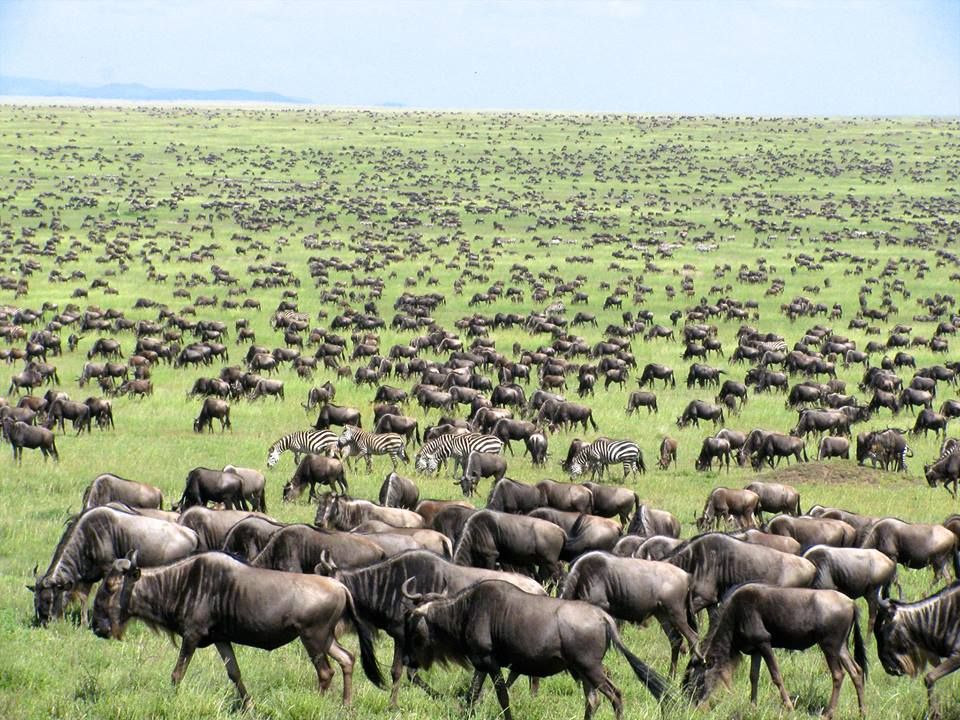
The Serengeti National Park is one of Africa’s most iconic safari destinations, known worldwide for its breathtaking landscapes, abundant wildlife, and the spectacular Great Migration. For many travelers, embarking on a Serengeti safari is a dream come true. However, the cost of such an adventure can sometimes be intimidating. The good news? With the right knowledge and planning, you can experience the magic of the Serengeti without blowing your budget.
In this comprehensive guide, we’ll break down the costs involved in a Serengeti safari and share insider tips on how to save money while still having an unforgettable experience. Whether you’re a luxury seeker or a budget traveler, this article will help you understand what to expect and how to get the most value for your money.
1. Understanding the Basics: What Does a Serengeti Safari Cost?
A Serengeti safari cost varies widely depending on the type of safari you choose, the duration, accommodation, and extras like transportation and guided tours. Generally, safaris in the Serengeti can range anywhere from $150 to $1,000+ per day per person.
Factors influencing the cost include:
-
Accommodation type: Luxury lodges, mid-range camps, or budget tented camps.
-
Transportation: Private vehicle, shared safari vehicle, or flights.
-
Guided tours: Private guides versus group tours.
-
Park fees and permits.
-
Additional experiences: Hot air balloon safaris, walking safaris, cultural visits.
Let’s dive into each of these in detail.
2. Accommodation Options and Their Impact on Budget
Accommodation often takes up the largest portion of your safari budget. In the Serengeti, options range from high-end lodges to basic campsites. Here’s a quick breakdown:
Luxury Lodges and Camps: $600 to $1,200+ per night
-
These offer top-notch comfort, gourmet meals, private guides, and exclusive experiences.
-
Examples include Singita, Four Seasons, and Serengeti Serena Lodge.
-
Expect private plunge pools, elegant tents or suites, and personalized service.
-
Best for travelers who want comfort and exclusivity.
Mid-Range Camps and Lodges: $200 to $600 per night
-
Comfortable tents or permanent lodges with good amenities.
-
Usually include meals, some guided game drives, and sometimes transfers.
-
Examples: Serengeti Safari Camp, Kubu Kubu Tented Lodge.
-
Great for travelers seeking a balance between comfort and cost.
Budget Campsites and Basic Tented Camps: $50 to $200 per night
-
Simple tents, often shared facilities.
-
Meals may be included or extra.
-
Best for adventure travelers who don’t mind basic comfort.
-
Some campsites allow you to camp with your own gear, reducing costs further.
3. Transportation Costs: How You Get There and Around Matters
Getting to the Serengeti and moving around the park is another major cost.
Getting to the Serengeti
-
Flights: Flying from Arusha or Nairobi to Serengeti airstrips (like Seronera or Kogatende) is the fastest but most expensive option, costing around $200 to $400 one way.
-
Road Transfers: Cheaper but longer and rougher — expect 5 to 7 hours from Arusha to the park gate. Costs range from $50 to $150 depending on vehicle type and operator.
Within the Serengeti
-
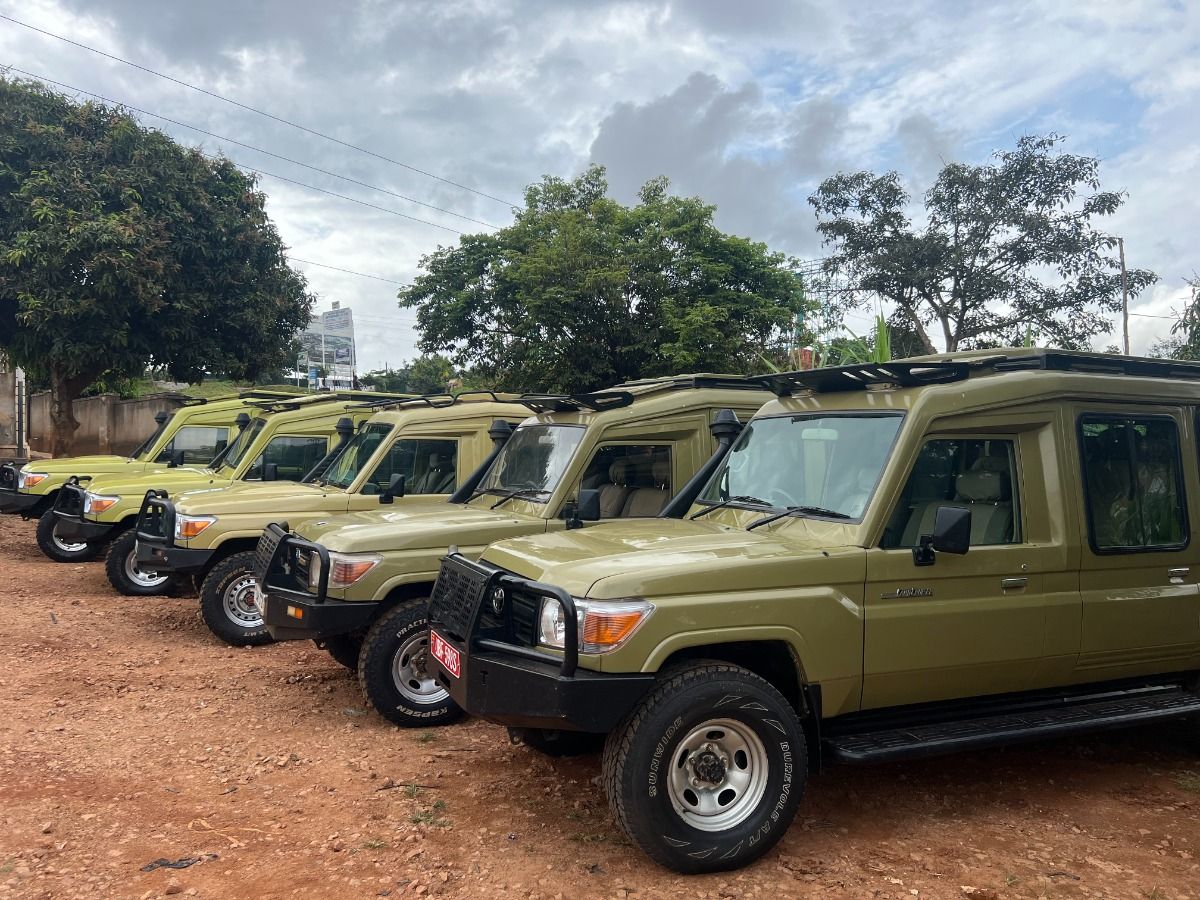
Private 4×4 Safari Vehicle: $150 to $350 per day, often including a driver-guide. Offers flexibility and privacy.
-
Group Safari Vehicles: Sharing with others reduces cost to $60 to $150 per day.
-
Walking or Cycling Safaris: Rare and limited but possible in some areas, and typically lower cost.
Budget Tip: Booking a combination of road transfers and shared vehicles can significantly reduce costs, though it may mean longer travel times.
4. Park Entry Fees and Conservation Levies
All visitors to the Serengeti must pay park entry fees, which are used for conservation efforts.
-
Tanzania National Park Fee: Approximately $70 per adult per day.
-
Additional Fees: Hot air balloon safaris and other activities have extra charges.
-
Children: Usually discounted or free under certain ages.
Budget Tip: Since the fees are fixed, the best way to save is to plan a longer safari rather than multiple short visits. You’ll get more value for your park entry fees over several days.
5. Safari Packages: What’s Included and What to Expect
Many tour operators offer safari packages, which bundle accommodation, transportation, park fees, and guided tours.
Luxury Packages: $3,000 to $7,000+ for a 5 to 7-day safari.
-
All-inclusive, with top lodges, private guides, meals, and some extras.
Mid-Range Packages: $1,200 to $3,000 for 5 to 7 days.
-
Include good accommodation, group vehicle transfers, meals, and park fees.
Budget Packages: $800 to $1,200 for 5 to 7 days.
-
Focus on camping or basic lodging, shared transport, and meals.
When booking a package, clarify what’s included—some may exclude international flights, tips, or drinks.
6. Food and Drink Expenses
Most safaris include meals in the accommodation price. However, extra snacks, drinks, or meals outside the lodge will add to your costs.
-
Bottled water and soft drinks inside the park can be expensive ($2 to $5 per bottle).
-
Alcoholic drinks at lodges and camps are typically pricey ($5 to $15 per drink).
-
If you are camping or self-driving, buying groceries in local towns before entering the park can save money.
7. Optional Extras: Balloon Safaris, Cultural Tours, and More
For many, the ultimate Serengeti experience includes extras like:
-
Hot Air Balloon Safaris: $500 to $600 per person for a sunrise flight.
-
Walking Safaris: $100 to $200 per day.
-
Cultural Visits: Visiting Maasai villages or local communities ($30 to $50).
These are unforgettable but costly experiences. Decide which extras are must-haves and which can be skipped to stay on budget.
8. Best Times to Visit the Serengeti for Budget Travelers
The Serengeti has two main seasons: dry and wet.
-
Dry Season (June to October): Peak tourist season; prices are highest but wildlife viewing is optimal.
-
Wet Season (November to May): Lower prices, fewer tourists, lush scenery, but some roads may be impassable.
Budget Tip: Traveling during the shoulder months (late May or November) can offer a good balance of cost savings and wildlife sightings.
9. How to Save Money on Your Serengeti Safari
Here are some tried-and-tested tips to keep your Serengeti safari affordable:
-
Book Early: Early bookings often come with discounts and better availability.
-
Travel in a Group: Sharing costs for vehicles and accommodation reduces per-person expenses.
-
Consider Camping: Bring your own gear or choose campsites for a truly budget-friendly experience.
-
Use Local Operators: Tanzanian-based tour companies often offer better rates than international agencies.
-
Self-Drive Safari: If you’re confident driving on rough terrain, renting a 4×4 and doing a self-drive can save money.
-
Combine Parks: Visiting neighboring parks like Ngorongoro Crater or Tarangire can be cheaper in combined packages.
-
Skip Expensive Extras: Hot air balloon safaris and private guides are fantastic but can double your cost.
10. Sample Budget Breakdown for a 5-Day Serengeti Safari
| Expense | Budget (USD) | Mid-Range (USD) | Luxury (USD) |
|---|---|---|---|
| Park Entry Fees (5 days) | $350 | $350 | $350 |
| Accommodation | $250 (camping) | $1,500 | $5,000 |
| Transport (including transfers) | $300 | $800 | $2,000 |
| Food and Drinks | $100 | Included | Included |
| Guide Fees | $200 (shared) | $500 (private) | Included |
| Extras (balloon, cultural tours) | $0 – $100 | $300 | $1,200 |
| Total | $1,200 | $3,450 | $8,550 |
This gives a rough idea of how different budgets affect your overall costs.
11. Why a Serengeti Safari Is Worth the Investment
While the Serengeti safari cost might seem high, the experience you get is priceless.
-
Witness the world’s greatest animal migration.
-
See the Big Five—lion, leopard, elephant, buffalo, and rhino.
-
Immerse yourself in raw African wilderness.
-
Learn from expert guides and spot rare wildlife.
-
Support conservation and local communities.
By planning wisely, your Serengeti adventure can be both memorable and budget-friendly.
12. FAQs About Serengeti Safari Costs
Q: Can I do a Serengeti safari on a strict budget?
A: Yes! By camping, joining group tours, and traveling in the low season, you can enjoy the Serengeti affordably.
Q: How much should I tip my guide and driver?
A: Generally, $10 to $20 per day per person is customary, but check with your operator.
Q: Are there hidden fees to watch out for?
A: Always clarify what’s included in your package to avoid surprises like additional park fees, drinks, or transport.
Q: Is it cheaper to book directly or through a travel agent?
A: Booking directly with local operators often saves money, but travel agents can offer convenience and package deals.
Planning Your Serengeti Safari Budget
A Serengeti safari is a once-in-a-lifetime experience, and with smart planning, it doesn’t have to be out of reach. Start by setting a realistic budget, decide what level of comfort you want, and prioritize your must-have experiences. Book early, compare options, and consider the tips above to stretch your dollar further.
