

Are there hippos in Lake Mburo?
Are There Hippos in Lake Mburo?
When people think of Uganda’s wildlife, their minds often jump straight to gorillas in Bwindi, elephants in Queen Elizabeth National Park, or tree-climbing lions in Ishasha. But one of the country’s most fascinating — and surprisingly accessible — wildlife encounters can be found in a lesser-known park: Lake Mburo National Park.
And yes — to answer the burning question right away — there are hippos in Lake Mburo. In fact, they’re one of the park’s most iconic residents, easily spotted in the waters and along the shores. But that’s just the beginning of the story.
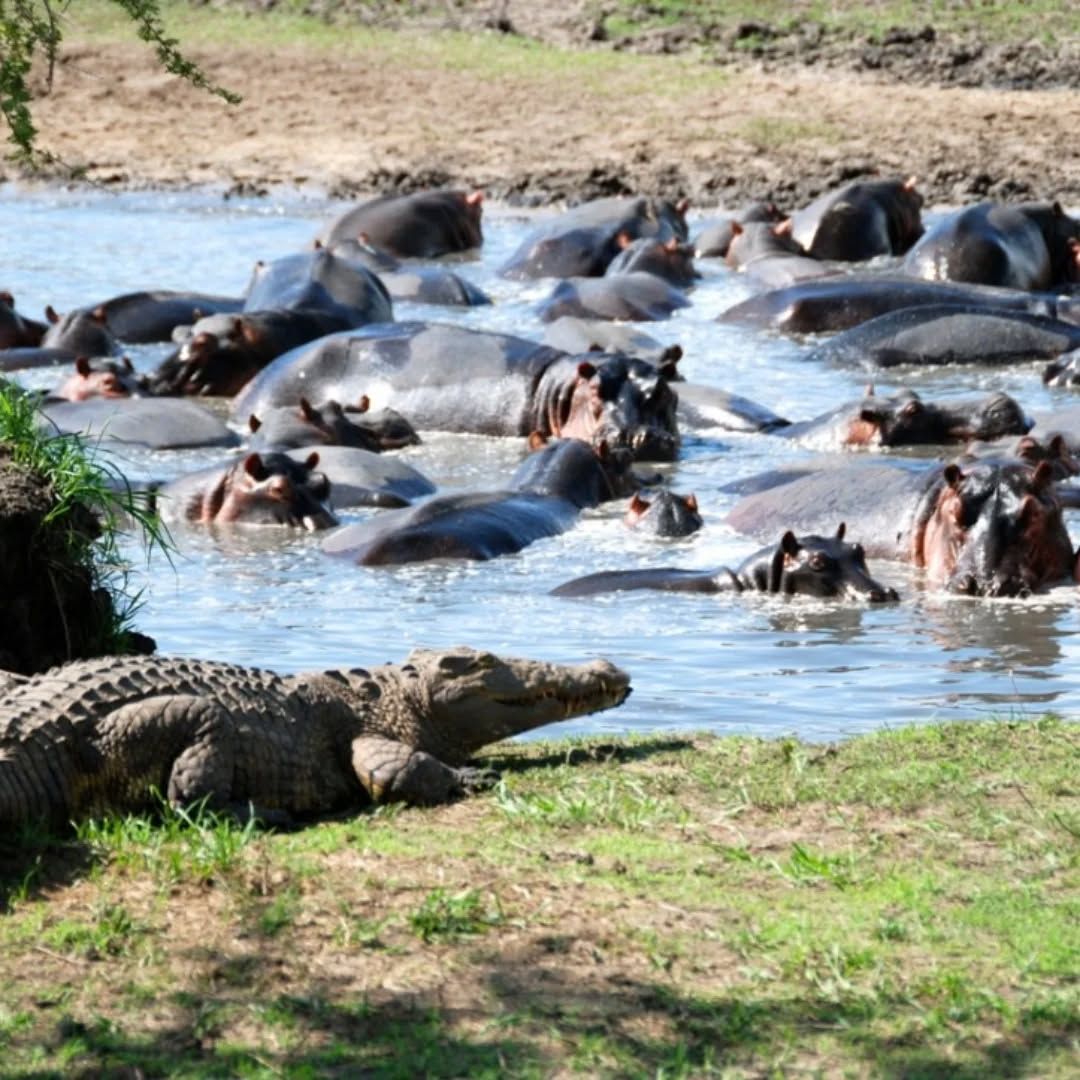
This blog post will explore why Lake Mburo is an incredible place to see hippos, what makes these semi-aquatic giants so interesting, the best ways and times to spot them, and how to plan a memorable visit to this often-overlooked gem of a park.
1. Lake Mburo at a Glance
Lake Mburo National Park, located in western Uganda along the Kampala–Mbarara highway, is Uganda’s smallest savannah national park, covering just 260 square kilometers. But what it lacks in size, it more than makes up for in diversity.
The park’s centerpiece is Lake Mburo, a tranquil body of water fringed with papyrus, acacia woodland, and rolling hills. This lake is one of five within the park, but it’s the largest and most visited — and it’s where you’ll find a thriving hippo population.
What makes Lake Mburo unique among Uganda’s parks is that it’s the only one without elephants, which means the landscape feels more open and accessible. Visitors can enjoy a mix of game drives, boat cruises, walking safaris, and horseback rides — activities that make it one of the most interactive safari destinations in the country.
2. Are There Really Hippos in Lake Mburo?
Absolutely. Hippopotamus amphibius, the common hippo, is a permanent resident of Lake Mburo. The lake’s shallow waters, abundant aquatic vegetation, and surrounding grasslands make it an ideal habitat for these massive mammals.
You’re almost guaranteed to see hippos here — whether you’re:
-
Taking a boat cruise on the lake
-
Watching from the lakeshore near the lodges
-
Listening at night, when their distinctive grunts and bellows echo across the water

Many visitors are surprised by how close hippos come to shore in the evenings. They often leave the water to graze on the surrounding grasslands before returning at dawn.
3. Understanding Hippo Behavior
To fully appreciate your hippo encounters at Lake Mburo, it helps to understand a bit about their lifestyle:
a) Semi-Aquatic Life
Hippos spend most of the day submerged in water to keep their massive bodies cool under the African sun. They’re excellent swimmers, but they prefer to stand or walk along the bottom rather than float.
b) Nocturnal Grazers
Although they look like water creatures, hippos actually feed on land. At night, they leave the lake and travel — sometimes several kilometers — to graze on short grass.
c) Social Animals
Hippos live in pods (also called schools or bloats) that can range from a few individuals to over 20. Each pod is usually dominated by a territorial male.
d) Not as Gentle as They Look
Despite their rotund, almost comical appearance, hippos are among Africa’s most dangerous animals. They’re highly territorial in water and can be aggressive if they feel threatened.
4. The Role of Hippos in Lake Mburo’s Ecosystem
Hippos aren’t just fun to watch — they play a vital ecological role in Lake Mburo’s health:
-
Nutrient Cycling – Their dung fertilizes the water, supporting fish populations that in turn feed birds, crocodiles, and humans.
-
Shaping Vegetation – Grazing patterns influence the distribution of grasses along the lake’s edge.
-
Supporting Biodiversity – By opening up aquatic channels, hippos create habitats for smaller aquatic species.
Without hippos, the delicate balance of life in Lake Mburo would be very different.
5. Best Ways to See Hippos in Lake Mburo
Lake Mburo offers several ways to view hippos safely and up close:
a) Boat Cruises
The most popular option is the UWA (Uganda Wildlife Authority) boat cruise. Departing several times a day, these guided trips take you across the lake, offering uninterrupted views of hippos wallowing, yawning, and interacting. You’ll also spot crocodiles, water birds, and perhaps even a monitor lizard basking on the banks.
Tip: Morning and late afternoon cruises have the best lighting for photography.
b) Lodge Viewing Decks
Several lakeside lodges, such as Mihingo Lodge and Rwakobo Rock, offer vantage points where you can watch hippos from the comfort of your chair.
c) Guided Nature Walks
While you can’t walk right up to hippos (for safety reasons), guided walking safaris allow you to explore the grazing areas where they’ve been at night, seeing their tracks and feeding paths.
d) Nighttime Listening
One of the most magical experiences is lying in bed at night and hearing hippos grunt, splash, and munch on grass nearby. It’s an unforgettable soundtrack of African nights.
6. When Is the Best Time to See Hippos?
Hippos are visible year-round at Lake Mburo, but your experience can differ depending on the season:
-
Dry Season (June–August, December–February) – Water levels drop slightly, concentrating hippos in smaller areas and making them easier to spot.
-
Wet Season (March–May, September–November) – The landscape is lush, and hippos have more grazing areas. The scenery is stunning, though there may be more mosquitoes.
For photographers, early morning or late afternoon light is ideal for capturing hippos with warm, golden tones.
7. Safety Tips for Viewing Hippos
Hippos may seem slow and harmless, but they can be unpredictable. Here are key safety tips:
-
Keep a Safe Distance – Whether on land or in a boat, never get too close.
-
Avoid Cutting Off Their Path – In water, hippos may feel threatened if you block their route to deep areas.
-
Never Stand Between a Hippo and the Water – They may panic and charge.
-
Follow Your Guide’s Instructions – Local guides know hippo behavior well and can keep you safe.
8. Other Wildlife You Can See Alongside Hippos
Lake Mburo is rich in biodiversity. While searching for hippos, you’re also likely to encounter:
-
Burchell’s Zebra – Lake Mburo is the only park in western Uganda with zebra populations.
-
Impala – Interestingly, it’s the only place in Uganda where impalas are found in the wild.
-
Eland – Africa’s largest antelope, often seen grazing on open plains.
-
Giraffe – Recently reintroduced, they add an extra touch of elegance to the landscape.
-
Buffalo – Sometimes seen near water, sharing the shore with hippos.
-
Over 300 Bird Species – Including the African fish eagle, malachite kingfisher, and papyrus gonolek.
9. Cultural Stories About Hippos in Uganda
Hippos have long featured in African folklore. In some Ugandan communities, hippos are seen as symbols of strength and resilience. Others have myths explaining why hippos live in water — one tale says they once lived on land but moved to lakes after pleading with the Creator to escape the heat.
Such stories add depth to a safari experience, reminding visitors that wildlife is intertwined with culture.
10. Conservation Challenges
While hippos in Lake Mburo are currently stable, they face challenges:
-
Human–Wildlife Conflict – Hippos grazing near villages can damage crops, leading to tensions.
-
Habitat Encroachment – Expanding farmland around the park can reduce their grazing grounds.
-
Poaching – Though rare, illegal hunting for meat or ivory-like teeth still occurs.
Conservation efforts by Uganda Wildlife Authority and local communities aim to protect hippos by promoting eco-tourism and awareness campaigns.
11. Planning Your Visit to See Hippos
If you’re inspired to visit Lake Mburo, here’s what you need to know:
Getting There
-
By Road: About 4 hours from Kampala along the Masaka–Mbarara road.
-
By Air: Small charter flights can land at Mbarara airstrip, followed by a short drive.
Entrance Fees (as of 2025)
-
Foreign Non-Residents: USD 40 per person/day
-
Foreign Residents: USD 30 per person/day
-
East African Citizens: UGX 20,000 per person/day
Accommodation
Options range from budget to luxury:
-
Luxury: Mihingo Lodge, Mantana Tented Camp
-
Mid-range: Rwakobo Rock, Arcadia Cottages
-
Budget: Eagle’s Nest, Leopard Rest Camp
Activities
-
Boat cruises
-
Game drives
-
Walking safaris
-
Horseback riding
-
Birdwatching
12. Sample Itinerary for a Hippo-Focused Trip
Day. 1:
-
Depart Kampala, stop at the Equator for photos
-
Afternoon game drive in Lake Mburo
Day 2:
-
Morning boat cruise for hippos and birds
-
Afternoon walking safari to see hippo grazing areas
-
Evening relaxation watching hippos from lodge deck
Day. 3:
-
Sunrise photography of the lake
-
Depart for Kampala or continue to western Uganda
13. Why Lake Mburo Should Be on Your Safari List
Lake Mburo might not have the vast herds of elephants or predators like lions in huge numbers, but it offers something equally valuable: intimacy. The park’s small size means you can see a lot in a short time, and hippos are a guaranteed highlight.
Whether it’s the thrill of seeing them yawn wide enough to reveal teeth like daggers, the humor of watching them bob like gray balloons in the water, or the peace of hearing their grunts under the moonlight, hippos in Lake Mburo deliver unforgettable moments.
So, are there hippos in Lake Mburo? Yes — and they’re thriving.
If you’re planning a Ugandan safari, don’t overlook this compact park. The hippos here are more than just a wildlife sighting; they’re an introduction to the rhythms of African wetlands, the balance of nature, and the joy of seeing an animal in its perfect habitat.

Talk to us
- Email:
- Phone line:
- Whatsapp: