

Lake Nakuru Rhino Sanctuary Visit
Lake Nakuru Rhino Sanctuary Visit – A Complete Travel Guide
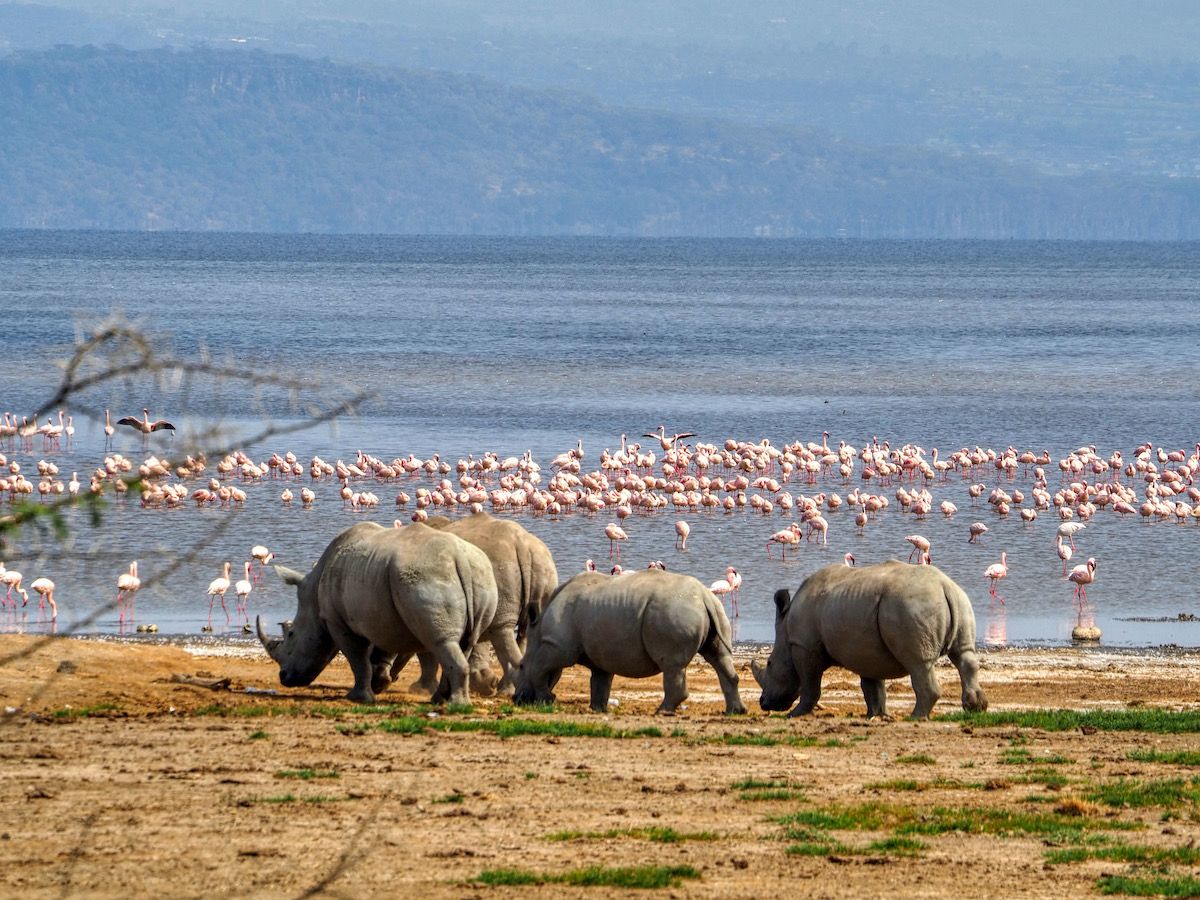
Lake Nakuru Rhino Sanctuary is one of Kenya’s most remarkable conservation success stories and an unmissable destination for wildlife lovers. Nestled within the scenic Lake Nakuru National Park, the sanctuary is a safe haven for both black and white rhinos, offering visitors a rare opportunity to see these magnificent animals up close while enjoying a breathtaking mix of landscapes, birdlife, and other wildlife species.
If you’re planning a safari in Kenya or looking for a unique wildlife experience, this comprehensive guide will walk you through everything you need to know about visiting Lake Nakuru Rhino Sanctuary — from its history and conservation efforts to the best times to visit, what to expect, and how to plan your trip.
A Brief Overview of Lake Nakuru National Park
Lake Nakuru National Park is located in central Kenya’s Great Rift Valley, about 160 km northwest of Nairobi. Covering approximately 188 square kilometers, it is one of the country’s smaller national parks but packs an extraordinary diversity of wildlife and landscapes into a compact area.
The park is best known for:
-
Flamingos and Birdlife: Historically, Lake Nakuru was famed for millions of flamingos that painted its shores pink. Today, while flamingo populations fluctuate due to changing water levels, the lake remains a paradise for over 450 bird species.
-
Big Game Viewing: Alongside the rhinos, the park is home to lions, leopards, buffalo, giraffes, zebras, waterbucks, and more.
-
Picturesque Scenery: The park’s acacia woodlands, waterfalls, rocky cliffs, and open grasslands create stunning photographic opportunities.
At the heart of all this lies the Lake Nakuru Rhino Sanctuary, one of the most successful rhino conservation programs in East Africa.
History of the Lake Nakuru Rhino Sanctuary

In the late 20th century, rhino populations across Africa were decimated by poaching, driven by demand for rhino horn. Kenya’s black rhinos were among the most critically affected. By the 1980s, only a handful remained in the wild.
To counter this, the Kenya Wildlife Service (KWS) established a 188 km² fully fenced sanctuary within Lake Nakuru National Park in 1987. The goal was simple yet ambitious — to provide a secure environment where rhinos could breed and recover, free from the threat of poachers.
Over the years:
-
White Rhinos were introduced from South Africa to diversify the population.
-
The sanctuary’s electric fence and dedicated ranger patrols drastically reduced poaching incidents.
-
The rhino population steadily increased, turning Lake Nakuru into a recognized stronghold for both species.
Today, the sanctuary is home to over 150 rhinos (both black and white) and serves as a breeding hub, with young rhinos being relocated to other protected areas across Kenya.
Why Visit the Lake Nakuru Rhino Sanctuary?
A visit to the Rhino Sanctuary offers far more than just rhino sightings. Here’s why it’s worth including in your itinerary:
-
Guaranteed Rhino Sightings – Few places in Africa offer such high chances of spotting rhinos. With patience, you may even see mothers with calves.
-
Conservation in Action – Witness firsthand the success of one of Africa’s leading rhino protection programs.
-
Photographic Opportunities – The mix of close wildlife encounters and diverse landscapes is a dream for photographers.
-
Rich Biodiversity – Beyond rhinos, you can encounter lions, leopards, Rothschild’s giraffes, baboons, buffaloes, hippos, and more.
-
Birdwatcher’s Paradise – With hundreds of bird species, the sanctuary and lake area are perfect for bird photography and identification.
Wildlife You’ll Encounter in the Sanctuary
While rhinos are the stars, Lake Nakuru National Park offers a compact safari experience with varied wildlife:
-
Black Rhino: More solitary, browsers feeding on shrubs and bushes. They’re often found in the wooded areas.
-
White Rhino: More social, grazers found in open grasslands. Their wide mouths make them easy to distinguish.
-
Lions and Leopards: Both predators thrive in the park, with leopards often spotted lounging in acacia trees.
-
Buffalo: Frequently found grazing near the lake and in open fields.
-
Rothschild’s Giraffe: An endangered giraffe subspecies introduced here in the 1970s.
-
Waterbuck, Impala, and Gazelles: Common across the park.
-
Hippos: Usually seen in the lake or nearby swamps.
-
Birdlife: African fish eagles, pelicans, cormorants, herons, and, when in season, flamingos.
Best Time to Visit
Lake Nakuru National Park and its Rhino Sanctuary are open year-round, but the experience can vary with the seasons.
Dry Season (June to September & January to February)
-
Wildlife is easier to spot as vegetation is thinner.
-
Roads are in better condition for game drives.
-
Fewer mosquitoes and pleasant daytime temperatures.
Wet Season (March to May & October to December)
-
The park is lush and green, making for beautiful landscapes.
-
Birdwatching is at its peak, with migratory species present.
-
Some tracks may be muddy or harder to access.
Tip: For a balance of good wildlife viewing and scenic beauty, aim for June to September or January to February.
How to Get There
By Road:
From Nairobi, it’s about a 2–3 hour drive via the Nairobi–Nakuru Highway. The route offers scenic views of the Rift Valley escarpment, with viewpoints along the way.
By Air:
Charter flights can land at Naishi airstrip inside the park. Some safari packages include this option for faster travel.
Park Entry Fees (As of 2025)
Fees for Lake Nakuru National Park are set by the Kenya Wildlife Service and can change, so always confirm before traveling.
-
Non-Resident Adults: USD 60 per person per day
-
Non-Resident Children: USD 20 per person per day
-
East African Residents (Adults): KES 860
-
East African Residents (Children): KES 215
Vehicle entry fees also apply, depending on the type and capacity.
Safari Experience in the Rhino Sanctuary
A typical visit to the Lake Nakuru Rhino Sanctuary involves game drives — either in the morning, afternoon, or as a full-day safari.
Morning Game Drive
-
Cooler temperatures and more active wildlife.
-
Ideal for photography with soft morning light.
-
Better chances of seeing predators before they retreat into shade.
Afternoon Game Drive
-
Warmer and less crowded.
-
Golden-hour lighting perfect for photos.
-
Good opportunity to see rhinos grazing in open spaces.
Photography Tips
-
Golden Hours: Shoot during sunrise and sunset for softer light and dramatic shadows.
-
Keep a Distance: Use zoom lenses to photograph rhinos without disturbing them.
-
Focus on Behavior: Capture rhinos feeding, interacting, or moving across landscapes for more dynamic shots.
-
Include the Scenery: Lake Nakuru’s backdrops — acacia forests, lake shores, and escarpments — add depth to photos.
-
Be Patient: Wildlife moments often require waiting quietly in one spot.
Conservation Challenges
While the sanctuary is a conservation success, challenges remain:
-
Poaching Threats: Rhino horn remains highly valued on the black market.
-
Habitat Pressure: Human population growth around the park can lead to encroachment.
-
Climate Change: Altered rainfall patterns affect water levels and vegetation.
KWS works continuously with international and local partners to ensure the sanctuary’s long-term survival, making visitor support crucial.
Responsible Travel Tips
When visiting the Lake Nakuru Rhino Sanctuary:
-
Stay in the Vehicle: For safety and to avoid disturbing wildlife.
-
No Littering: Keep the park pristine.
-
Follow Speed Limits: Protect animals crossing roads.
-
Respect Park Rules: They are designed for both visitor safety and conservation.
-
Support Conservation: Entrance fees and donations help fund protection efforts.
Where to Stay
Lake Nakuru offers a range of accommodation options:
Inside the Park
-
Sarova Lion Hill Game Lodge – Mid to high-end lodge with great views over the lake.
-
Lake Nakuru Lodge – Comfortable rooms, swimming pool, and good access to game drives.
-
Naishi Guesthouse – Basic self-catering option for budget travelers.
Outside the Park
-
Flamingo Hill Tented Camp – Safari-style tents close to the park gate.
-
Ziwa Bush Lodge – Eco-friendly lodge with a tranquil setting.
-
Budget Hotels in Nakuru Town – For travelers looking to save.
Suggested Itineraries
1-Day Trip
-
Depart Nairobi early morning.
-
Morning game drive focusing on rhinos.
-
Lunch at a lodge or picnic site.
-
Afternoon game drive before returning to Nairobi.
2-Day Safari
-
Day 1: Drive from Nairobi, afternoon game drive.
-
Overnight at a lodge.
-
Day 2: Morning game drive, optional nature walk, return to Nairobi.
3–4 Day Rift Valley Tour
-
Combine Lake Nakuru with Lake Naivasha, Hells Gate National Park, or Lake Bogoria.
A visit to the Lake Nakuru Rhino Sanctuary is more than a safari — it’s a chance to connect with one of Africa’s greatest conservation achievements. Watching these prehistoric-looking giants roam freely is both humbling and inspiring, reminding us why wildlife preservation matters.

Talk to us
- Email:
- Phone line:
- Whatsapp: