

Meru National Park Lion Sightings
Meru National Park Lion Sightings: The Ultimate Guide for Wildlife Enthusiasts
Meru National Park, a lesser-known gem in Kenya’s safari circuit, is steadily building a reputation as one of the best places in East Africa to spot lions in their natural habitat. While more famous parks like Maasai Mara and Amboseli often steal the spotlight, Meru offers something rare: a raw, untamed wilderness with fewer crowds, spectacular landscapes, and an authentic safari experience where each lion sighting feels deeply personal.
Whether you’re a seasoned wildlife photographer, a first-time safari-goer, or a nature lover chasing the thrill of spotting Africa’s most iconic predator, Meru’s lion sightings are an experience you’ll never forget. This guide will take you deep into the heart of Meru, unpacking when, where, and how to see lions here, while offering insider tips to make the most of your adventure.
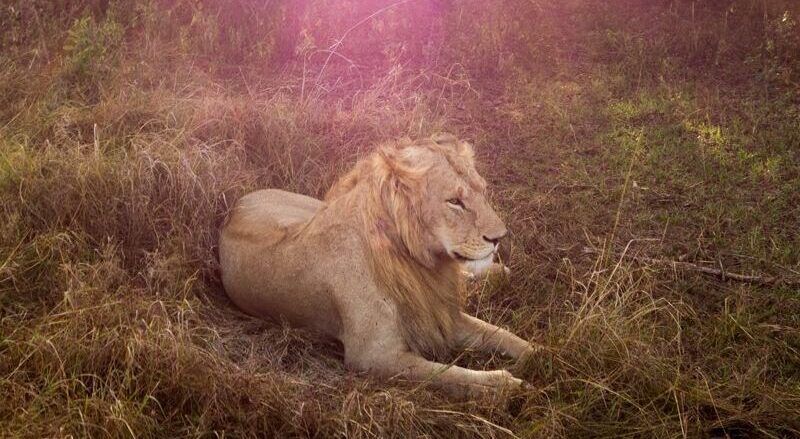
1. Why Meru National Park is Special for Lion Sightings
Meru National Park isn’t just another safari destination. Its story is deeply tied to lion conservation and African wildlife heritage. This is the park where George and Joy Adamson reintroduced Elsa the lioness into the wild, inspiring the famous book and film Born Free. Today, Meru stands as a living tribute to that conservation legacy.
Here’s what makes lion sightings here unique:
-
Low Tourist Numbers – Unlike more popular parks, you won’t be jostling with dozens of vehicles for a glimpse of a lion.
-
Diverse Habitats – Open savannahs, acacia woodlands, and riverine forests create a variety of hunting grounds for lions.
-
Healthy Lion Population – Thanks to conservation efforts, the park’s lion numbers are steadily increasing, with several well-established prides.
-
Authentic Encounters – Without the distraction of mass tourism, sightings often last longer and feel more intimate.
2. A Glimpse into Meru’s Lion History
In the late 1950s, George and Joy Adamson were working to reintroduce orphaned lions into the wild. Elsa, perhaps the most famous lioness in the world, was released into Meru’s wilderness and lived freely here. Her story helped bring global attention to lion conservation, and Meru became a symbol of hope for wildlife enthusiasts.
However, the park faced challenges in the late 20th century, including poaching and political instability, which impacted wildlife populations. Over the last two decades, Kenya Wildlife Service (KWS) and conservation partners have revitalized the park, restoring its lion population and making it a safe haven once again.
3. Best Time to See Lions in Meru National Park
Timing is everything when it comes to wildlife viewing. While lions can be spotted year-round in Meru, certain seasons make sightings more likely and more dramatic.
Dry Season (June – October)
-
Advantages: Grass is shorter, making lions easier to spot. Animals congregate around water sources, attracting predators.
-
Downside: Can get quite hot during the day, and some areas may be dusty.
Short Rains (November – December)
-
Advantages: Lush landscapes, vibrant colors, and plenty of prey animals. Lion sightings remain good.
-
Downside: Occasional rain showers can make some roads slippery.
Long Rains (March – May)
-
Advantages: Fewer tourists, very green scenery.
-
Downside: Lions may be harder to see as the grass grows taller, and some areas may be inaccessible due to flooding.
Pro Tip: Early mornings (6:00 am – 9:00 am) and late afternoons (4:00 pm – 6:30 pm) are prime times for lion activity in Meru. Lions are most active during these cooler hours.
4. Where to Spot Lions in Meru National Park
Meru’s landscape is a patchwork of ecosystems, each offering unique opportunities for lion sightings. Some areas have become particularly famous for frequent encounters.
4.1 Elsa’s Kopje Region
-
Named after the famous lioness, this rocky outcrop area provides elevated views over the park. Lions are often spotted lounging on the kopjes or patrolling the nearby plains.
4.2 Murera and Ura Rivers
-
The dense vegetation along these rivers offers shade and water, attracting herbivores – and the lions that hunt them.
4.3 Leopard Rock and Adamson’s Falls Area
-
While known for other predators too, this region often produces sightings of lions moving between hunting grounds.
4.4 Nyambene Hills Foothills
-
The transition zone between hills and plains can surprise you with sudden sightings of lions on the prowl.
Insider Tip: Ask your guide to focus on areas with high zebra or buffalo activity – these are prime lion hunting territories.
5. What a Lion Sighting in Meru Feels Like
Picture this: It’s just after sunrise. The golden light washes over the savannah, and the distant call of a hornbill echoes through the morning air. Your driver slows the vehicle, pointing to a movement ahead. A lioness emerges from the tall grass, her muscles rippling under her tawny coat. She pauses, scanning the horizon, before calling softly – a deep, resonant sound that seems to vibrate through your chest. Moments later, two more lionesses and a young male appear, padding silently toward a herd of unsuspecting impala.
In Meru, moments like these feel raw and cinematic, partly because there are no crowds around you – just you, the lions, and the African wilderness.
6. Lion Behavior to Watch For
Seeing lions is one thing; understanding their behavior makes the experience even richer. Here’s what to look for:
-
Stalking and Hunting – Often in the early morning or late afternoon. Watch for a lion lowering its body into the grass.
-
Social Bonding – Lion prides often groom each other or rub heads, reinforcing social bonds.
-
Territorial Displays – Males roaring or scent-marking to warn rivals.
-
Resting – Lions spend up to 20 hours a day resting; don’t be surprised if your sighting is of them lounging in the shade.
7. Photography Tips for Capturing Lions in Meru
Meru’s landscapes and light conditions can produce stunning wildlife photos. To make the most of your lion sightings:
-
Use the Golden Hour – Early morning and late afternoon light enhances colors and creates dramatic shadows.
-
Capture Context – Include some of Meru’s scenery to give your photo a sense of place.
-
Zoom for Detail – A telephoto lens (200–400mm) helps capture close-ups without disturbing the lions.
-
Be Patient – Sometimes the best shot comes after a long wait. Lions can be unpredictable.
-
Focus on the Eyes – A sharp, well-lit lion’s gaze can make a photograph unforgettable.
8. Conservation Efforts and Challenges
Meru’s lions owe their survival to dedicated conservation programs. KWS, along with international partners, has implemented anti-poaching patrols, habitat restoration, and community outreach programs to reduce human-wildlife conflict.
However, challenges remain:
-
Human-Wildlife Conflict – Communities living near the park sometimes lose livestock to lions, leading to tensions.
-
Poaching Pressure – Though greatly reduced, it still exists.
-
Climate Change – Droughts can disrupt prey availability, indirectly affecting lion populations.
Tourism plays a key role in sustaining conservation by providing revenue that funds ranger patrols, community projects, and park maintenance.
9. Combining Lion Sightings with Other Wildlife
While lions may be the main draw, Meru offers a surprisingly diverse wildlife experience. You can spot:
-
Elephants
-
Buffalo
-
Giraffes (including the reticulated giraffe)
-
Zebras (both Grevy’s and plains zebras)
-
Hippos and crocodiles along rivers
-
Over 400 bird species
This variety means your game drives will always be exciting, even if the lions are elusive for a while.
10. Where to Stay for the Best Lion Viewing
Your choice of accommodation can influence your lion sighting success.
Elsa’s Kopje Lodge
-
Luxury lodge with unbeatable views and proximity to key lion territories.
Offbeat Meru Camp
-
Offers a classic safari feel with excellent guiding and access to quieter areas of the park.
Public Campsites
-
For adventurous travelers, camping inside the park brings you closer to the sounds of the wild.
11. Safari Tips for Successful Lion Sightings in Meru
-
Hire an Experienced Guide – They know the prides’ territories and recent movements.
-
Stay Quiet – Loud noises can cause lions to retreat.
-
Go on Multiple Drives – The more time you spend in the park, the higher your chances.
-
Check Recent Sightings Reports – Lodges often share information about where lions were last seen.
-
Be Flexible – Wildlife is unpredictable; patience often pays off.
12. The Emotional Impact of Seeing Lions in Meru
For many travelers, seeing lions in Meru is more than a bucket-list moment – it’s a deep emotional connection to the wild. You’re witnessing not just an apex predator in action but also the result of decades of conservation work.
There’s a sense of privilege in knowing that you’re in a place where lions roam free, where the human footprint is light, and where nature dictates the rhythm of life.
Why Meru Should Be on Your Safari List
Meru National Park’s lion sightings are a blend of rich history, raw wilderness, and a conservation success story. Here, every encounter feels personal, every photograph feels earned, and every roar echoes a legacy that began with Elsa the lioness.

Talk to us
- Email:
- Phone line:
- Whatsapp: