

Nairobi Safari Walk & Orphanage
Where City Meets Wilderness
Nestled in the heart of Kenya’s bustling capital lies a rare gem – a gateway into the country’s wild soul. The Nairobi Safari Walk and Animal Orphanage offer an unforgettable experience for travelers seeking to dip their toes into Kenya’s wildlife without venturing far from Nairobi’s city center. This twin attraction, located adjacent to the Nairobi National Park, blends conservation, education, and adventure into one immersive encounter.
Whether you’re stopping over before a long safari into the Maasai Mara, or you’re a family, student, or urban explorer looking for a half-day experience, this article reveals why the Nairobi Safari Walk and Orphanage deserve a spot on your Nairobi itinerary.
1. Nairobi Safari Walk: Kenya’s Wild Window in the City
What is the Nairobi Safari Walk?
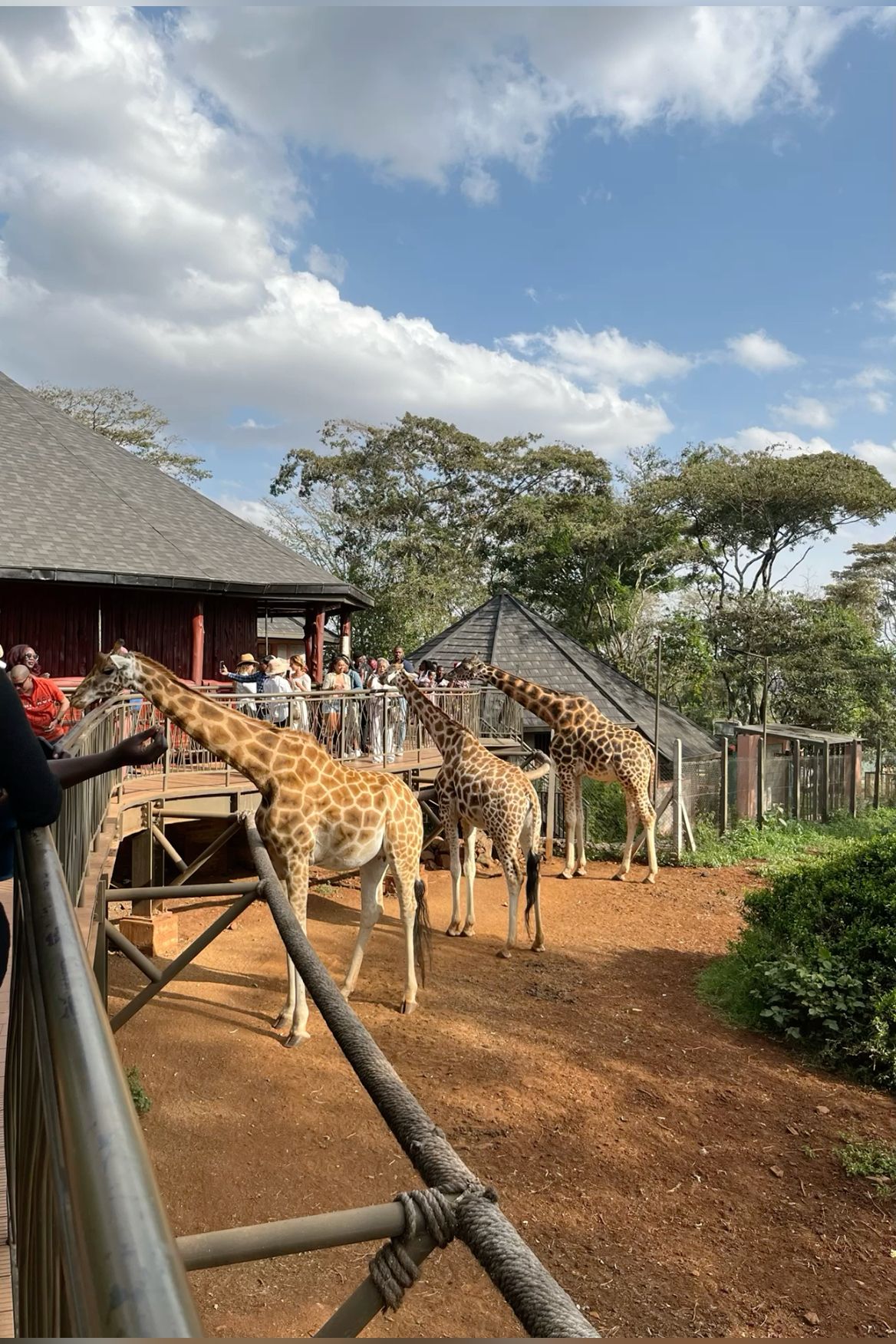
The Nairobi Safari Walk is a raised wooden boardwalk that winds through a variety of Kenya’s ecosystems, showcasing the country’s diverse flora and fauna. Managed by the Kenya Wildlife Service (KWS), this park is more than just a zoo or botanical garden – it’s a living classroom for conservation and a convenient safari taster for city dwellers and tourists.
Imagine walking on elevated wooden trails as zebras graze a few feet away, lions laze in the midday sun, and crocodiles lurk in tranquil pools below. It’s like experiencing a mini Kenya in just a couple of hours.
Why It’s Special
-
Proximity: Located just 7 km (15 minutes) from Nairobi’s central business district and adjacent to Wilson Airport.
-
Wildlife Experience Without Leaving the City: See over 150 species of animals and birds in a semi-natural setting.
-
Family-Friendly: Safe, clean, and accessible for children, with interactive and educational exhibits.
-
Photogenic Trails: The raised boardwalks meander through wetlands, savannahs, and forests, offering excellent photography spots.
2. Wildlife to Expect at the Safari Walk
While it’s not a full-fledged safari, the Nairobi Safari Walk offers a surprisingly diverse range of wildlife that mimics Kenya’s iconic landscapes. Among the stars of the show:
Big Cats
-
Lions: Majestic and sleepy during the day, but impressive to observe.
-
Leopards: Shy and elusive, but occasionally spotted lounging on tree platforms.
-
Cheetahs: Sleek and graceful, often seen pacing or basking.
Herbivores
-
Zebras
-
White Rhinos
-
Bongo Antelopes: Rare and native to Kenya’s mountain forests.
-
Elands, Impalas, and Bushbucks
Primates & Others
-
Monkeys: Especially vervet monkeys who might even interact with guests.
-
Warthogs, hyenas, ostriches, and crocodiles complete the safari atmosphere.
Birdlife
With over 150 bird species, including hornbills, eagles, and weavers, birdwatchers will be impressed.
3. The Experience: What to Expect During Your Visit
The Nairobi Safari Walk is designed as a self-guided tour, so you can move at your own pace. The walk generally takes about 1.5 to 2 hours, depending on how often you stop to observe and take photos.
Key Sections of the Walk
-
Wetland Area: Boardwalk over marshes, ideal for seeing crocodiles and aquatic birds.
-
Savannah Area: Spot zebras, gazelles, and lions.
-
Forested Section: Dense with indigenous trees and hosts species like the bongo and leopards.
Interpretive Signage
Throughout the walk, educational signposts offer insights into animal behavior, conservation status, and habitat threats – making this a fantastic learning opportunity for both kids and adults.
Guided Tours (Optional)
KWS guides are available on request and provide deeper insights into the ecology and conservation efforts.
4. Nairobi Animal Orphanage: Healing and Hope for Injured Wildlife
What is the Nairobi Animal Orphanage?
Located just next to the Safari Walk, the Nairobi Animal Orphanage serves as a sanctuary for injured, rescued, or orphaned animals. This facility is part of Kenya’s wildlife rehabilitation efforts and offers an up-close view of animals that are recovering or cannot be released back into the wild.
Founded in 1964, it plays a critical role in conservation, education, and tourism.
5. Animals You’ll Meet at the Orphanage
Unlike the Safari Walk, where animals are semi-free-ranging, animals here are housed in spacious enclosures due to their conditions or rehabilitation status.
Some of the residents include:
Big Cats
-
Lions, including some rescued cubs
-
Cheetahs, often born in captivity or saved from illegal trade
-
Leopards – some with physical injuries that prevent release
Primates
-
Olive baboons
-
Sykes’ monkeys
-
Colobus monkeys
Birds of Prey
-
Eagles, owls, and hawks rescued with injuries or from illegal possession.
Reptiles & Other Mammals
-
Tortoises, snakes, and hyenas also find refuge here.
6. Ethical Considerations & Conservation Efforts
The Nairobi Animal Orphanage is not a zoo. Animals here have been:
-
Rescued from poachers or illegal captivity
-
Orphaned after human-wildlife conflict
-
Born in captivity or rendered unfit to survive in the wild
KWS uses the orphanage to rehabilitate and release animals where possible, and in cases where release is not viable, the animals serve an educational purpose, raising awareness about the importance of wildlife protection.
Conservation Messaging
The orphanage focuses on:
-
Wildlife rescue and treatment
-
Anti-poaching awareness
-
Human-wildlife conflict resolution
-
Community education programs
7. Nairobi Safari Walk vs. Animal Orphanage: What’s the Difference?
| Feature | Nairobi Safari Walk | Nairobi Animal Orphanage |
|---|---|---|
| Style | Elevated boardwalk in natural habitat | Enclosures for injured/rescued animals |
| Wildlife Freedom | Semi-free-ranging animals | Animals in rehab or permanent care |
| Focus | Conservation education & tourism | Animal rescue, treatment, and education |
| Best For | Families, students, photographers | Animal lovers, conservationists, kids |
| Duration | 1.5 – 2 hours | 1 hour |
| Accessibility | Easy paths, ideal for all ages | Wheelchair accessible |
8. Ticket Prices & Opening Hours (2025 Update)
Opening Hours
-
Open daily: 8:00 AM to 5:00 PM
-
Best time to visit: Morning or late afternoon when animals are more active
Entry Fees (As of 2025)
For Nairobi Safari Walk & Orphanage (Separate Fees May Apply):
| Category | Kenyan Citizens | Residents (with valid permits) | Non-Residents |
|---|---|---|---|
| Adults | Ksh 250 | Ksh 350 | USD 22 |
| Children | Ksh 150 | Ksh 200 | USD 13 |
Tip: You can pay by MPESA, Card, or Cash at the gate. It’s advisable to carry ID for verification.
9. What to Bring & How to Prepare
Essentials
-
Comfortable walking shoes
-
Water bottle
-
Camera or smartphone
-
Hat and sunscreen
-
Binoculars (for birding enthusiasts)
-
Light snacks (outside food isn’t sold inside)
Photography Tip
While photography is allowed, professional equipment (like drones or large lenses) may require prior clearance from KWS.
10. How to Get There
Location
-
Langata Road, next to Nairobi National Park
-
Approximately 15–20 minutes drive from Nairobi CBD or Jomo Kenyatta International Airport
Transport Options
-
Private Car or Taxi (most convenient)
-
Matatu/Bus: Take routes heading to Langata/Karen, alight at KWS headquarters
-
Ride-hailing apps: Uber, Bolt, or Little Cab
11. Nearby Attractions to Combine with Your Visit
-
Nairobi National Park: Game drives within the only national park inside a capital city.
-
Giraffe Centre: Feed and interact with endangered Rothschild giraffes.
-
David Sheldrick Wildlife Trust: Visit baby elephants in one of the world’s most famous elephant rescue centers.
-
Bomas of Kenya: Cultural dances and traditional homesteads showcase Kenya’s ethnic heritage.
12. Who Should Visit Nairobi Safari Walk & Orphanage?
-
Families with children: Fun and educational.
-
Tourists on layovers: Close to the airport, easy half-day trip.
-
Students & school groups: Aligned with biology, environment, and geography curriculums.
-
Photographers: Access to wildlife without needing to go deep into the bush.
-
Urban explorers: Those seeking nature without leaving Nairobi.
13. Insider Tips
-
Weekdays are less crowded, making for a quieter experience.
-
Combine both attractions in a single visit – they’re right next to each other.
-
If visiting with kids, carry snacks and keep an eye out for monkeys – they love to “borrow” unattended food!
-
Check the KWS website or their social media pages for any temporary closures or updates.
14. Final Thoughts: Why This Visit is Worth Your Time
In a world where wildlife is increasingly threatened by urbanization, poaching, and climate change, places like the Nairobi Safari Walk and Animal Orphanage stand as beacons of hope, education, and reconnection.
Here, you’re not just observing animals – you’re learning about the delicate balance of ecosystems, the challenges of conservation, and how every visitor becomes an ambassador for wildlife protection.
For just a couple of hours and a modest entry fee, you’ll walk away with a deeper appreciation for Kenya’s wildlife heritage – and perhaps a few stunning photos to show for it.
Plan Your Visit Today!

Talk to us
- Email:
- Phone line:
- Whatsapp: