

Kenya’s Big Five Safari Locations
Kenya’s Big Five Safari Locations: Where to Spot Africa’s Most Iconic Wildlife
When it comes to unforgettable wildlife encounters, few experiences rival the thrill of spotting Africa’s Big Five in their natural habitat. Kenya—renowned for its sweeping savannahs, rich biodiversity, and conservation heritage—is one of the best countries on the continent to experience a Big Five safari.
But where exactly should you go to increase your chances of seeing lions, leopards, elephants, buffaloes, and rhinos? This guide breaks down Kenya’s top Big Five safari locations, offering insider tips on what to expect in each park, the best seasons to visit, and how to plan your adventure.
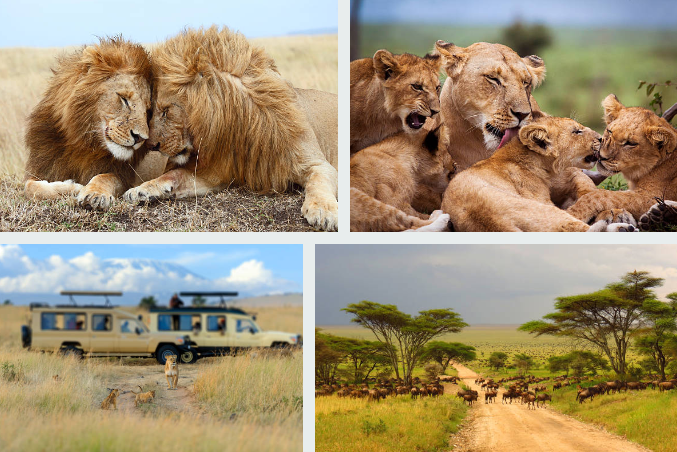
What Are the Big Five?
The term “Big Five” was originally coined by big-game hunters to describe the five most challenging animals to hunt on foot. Today, it refers to five iconic African animals that are also the most sought-after by safari-goers and photographers:
-
Lion – The king of the jungle and a social predator
-
Leopard – Elusive, solitary, and stealthy
-
Elephant – Africa’s gentle giants with unmatched intelligence
-
Buffalo – Powerful and unpredictable herd animals
-
Rhinoceros – Critically endangered, both black and white species in Kenya
1. Maasai Mara National Reserve – Big Five Capital
Why It’s a Top Pick:
-
Home to all Big Five
-
One of the best places in Africa to see big cats
-
Hosts the Great Wildebeest Migration (July–October)
The Maasai Mara is Kenya’s most famous safari destination—and for good reason. With its open plains, abundant wildlife, and experienced guides, the Mara offers guaranteed sightings of lions, elephants, and buffaloes. Leopards and rhinos are more elusive but regularly spotted in private conservancies.
Wildlife Highlights:
-
Huge prides of lions, especially in the Mara Triangle
-
Leopards in the Talek and Olare Motorogi regions
-
Black rhinos often seen in Mara North and Ol Choro conservancies
Best Time to Visit:
-
June to October (dry season & wildebeest migration)
-
January to March for predator activity and fewer tourists
2. Amboseli National Park – Elephants with a View
Why It’s a Top Pick:
-
Famous for its large elephant herds
-
Stunning views of Mount Kilimanjaro
-
Excellent photographic opportunities
Amboseli is arguably the best place in Africa to see elephants up close. The park’s open terrain also makes it easier to spot lions, buffaloes, and the occasional leopard. While rhinos are not present in Amboseli itself, nearby Chyulu Hills and Tsavo West offer sightings.
Wildlife Highlights:
-
Giant “tusker” elephants (with long, iconic tusks)
-
Buffaloes in the marshes
-
Lions on the dry plains, especially near Observation Hill
Best Time to Visit:
-
June to October (dry season)
-
January to February (clear skies, baby animals)
3. Ol Pejeta Conservancy – Big Five + Chimpanzees
Why It’s a Top Pick:
-
Home to the last two northern white rhinos on Earth
-
Best rhino-viewing location in Kenya (black and white rhinos)
-
Home to a chimpanzee sanctuary (unique in Kenya)
Located on the Laikipia Plateau, Ol Pejeta Conservancy offers one of the most complete Big Five safari experiences in Kenya. The conservancy is well-managed, with strict conservation policies and excellent guiding. Unlike national parks, off-road driving and night game drives are permitted here.
Wildlife Highlights:
-
Over 100 black rhinos and numerous white rhinos
-
Regular sightings of lions, leopards, and elephants
-
Great birdlife and occasional African wild dogs
Best Time to Visit:
-
Year-round, with best sightings during the dry seasons: Jan–Mar and Jun–Oct
4. Tsavo East & Tsavo West National Parks – The Untamed Frontier
Why It’s a Top Pick:
-
One of the largest protected ecosystems in Africa
-
Best place to see red-dusted elephants
-
Home to all Big Five species
The Tsavo parks are vast, wild, and less visited than Maasai Mara or Amboseli, making them perfect for safari purists. Tsavo East is known for its open landscapes and herds of red elephants, while Tsavo West features volcanic hills, lava flows, and lush springs. Rhinos can be seen at the Ngulia Rhino Sanctuary in Tsavo West.
Wildlife Highlights:
-
Iconic red elephants bathing in the Galana River
-
Buffaloes, lions, leopards, and hyenas
-
White rhinos in protected sanctuaries
Best Time to Visit:
-
June to October and January to February
-
Great combination with Mombasa beach holiday
5. Lake Nakuru National Park – Rhino Stronghold
Why It’s a Top Pick:
-
High concentration of black and white rhinos
-
Scenic views of flamingos and acacia woodlands
-
Close to Nairobi for short safaris
Lake Nakuru is one of the easiest places to see both rhino species. The compact size of the park increases your chances of seeing multiple Big Five members in a single game drive. While lions and leopards are present, elephants are not found here.
Wildlife Highlights:
-
Rhinos grazing near the lake shore
-
Tree-climbing lions
-
Seasonal flocks of flamingos and pelicans
Best Time to Visit:
-
June to March
-
Avoid April–May due to heavy rains
6. Lewa Wildlife Conservancy – Exclusive Big Five Experience
Why It’s a Top Pick:
-
UNESCO World Heritage Site
-
Focus on rhino and Grevy’s zebra conservation
-
Luxury camps and intimate wildlife encounters
Located north of Mount Kenya, Lewa Conservancy offers a high-end safari with top-notch conservation impact. It’s home to thriving rhino populations, and you can see all Big Five species plus rare species like Grevy’s zebra, beisa oryx, and giraffe.
Wildlife Highlights:
-
White and black rhinos in large numbers
-
Lions and leopards often spotted near riverine areas
-
Elephants migrating across the Laikipia Plateau
Best Time to Visit:
-
All year round, though dry months (Jan–Mar, Jun–Oct) are best for game viewing
7. Nairobi National Park – Big Five in the City
Why It’s a Top Pick:
-
Only park in the world bordering a capital city
-
Contains 4 of the Big Five (no elephants)
-
Ideal for short layover safaris
Nairobi National Park is often overlooked, but it’s a surprisingly rich wildlife habitat. In just a half-day tour, you can see lions, rhinos, leopards, and buffalo—with the city skyline in the background. Perfect for travelers short on time.
Wildlife Highlights:
-
Lions near the Athi Basin and Ivory Burning Site
-
Rhinos near the forested zones
-
Wide range of birds and antelopes
Best Time to Visit:
-
Morning drives year-round
-
Best light and activity from 6:30 AM to 10:00 AM
Best Time for a Big Five Safari in Kenya
| Season | Months | Safari Benefits |
|---|---|---|
| Dry Season | June–October | Best game visibility, easier roads |
| Short Dry | January–February | Good game viewing, fewer tourists |
| Wet Season | March–May, Nov | Lush scenery, fewer crowds, but muddy conditions |
Pro Tip: Travel in shoulder months (June or November) for discounted rates and decent sightings.
Recommended Big Five Safari Itineraries
🦁 7-Day Classic Big Five Safari
-
Day 1–2: Nairobi & Nairobi National Park
-
Day 3–5: Maasai Mara
-
Day 6–7: Lake Nakuru or Ol Pejeta
🐘 10-Day Luxury Big Five Safari + Beach
-
Day 1: Arrival in Nairobi
-
Day 2–4: Ol Pejeta Conservancy
-
Day 5–7: Maasai Mara
-
Day 8–10: Diani Beach (fly from Mara to Ukunda)
Safari Tips for Big Five Sightings
✅ Go with a certified guide – Knowledgeable guides increase your chances dramatically
✅ Wake up early – Dawn and dusk are best for predators
✅ Stay multiple nights in each location
✅ Use binoculars and zoom lenses for leopards and rhinos
✅ Be patient and quiet at sightings for ethical wildlife viewing
Conservation & Responsible Tourism
Kenya is at the forefront of conservation through community-run conservancies, anti-poaching initiatives, and wildlife corridors.
Support the following when booking:
-
Eco-certified lodges
-
Parks that reinvest in local communities
-
Tours with low environmental impact
-
Anti-poaching and rhino conservation programs
From the predator-rich plains of the Maasai Mara to the rhino sanctuaries of Ol Pejeta and the elephant herds of Amboseli, Kenya’s Big Five safari locations offer something for every kind of traveler. Whether it’s your first African safari or your tenth, Kenya delivers the drama, the diversity, and the unforgettable moments.
Ready to Plan Your Kenya Big Five Safari?

Talk to us
- Email:
- Phone line:
- Whatsapp: