

Serengeti Safari Vehicle Guide (4×4)
Serengeti Safari Vehicle Guide (4×4): Choosing the Right Ride for the Wild
The Serengeti is the heartbeat of Africa’s safari experience. With its vast savannah plains, dramatic river crossings, and thrilling wildlife encounters, the Serengeti is a dream for every traveler. But one thing can make or break your experience: the vehicle you choose.
In this comprehensive Serengeti safari vehicle guide (4×4), we break down everything you need to know about safari vehicles in Tanzania’s most iconic park. From the types of 4×4 vehicles available to key features, rental tips, and whether to choose self-drive or guided, this guide helps you make the smartest choice for your unforgettable journey.
1. Why a 4×4 Is Essential in the Serengeti
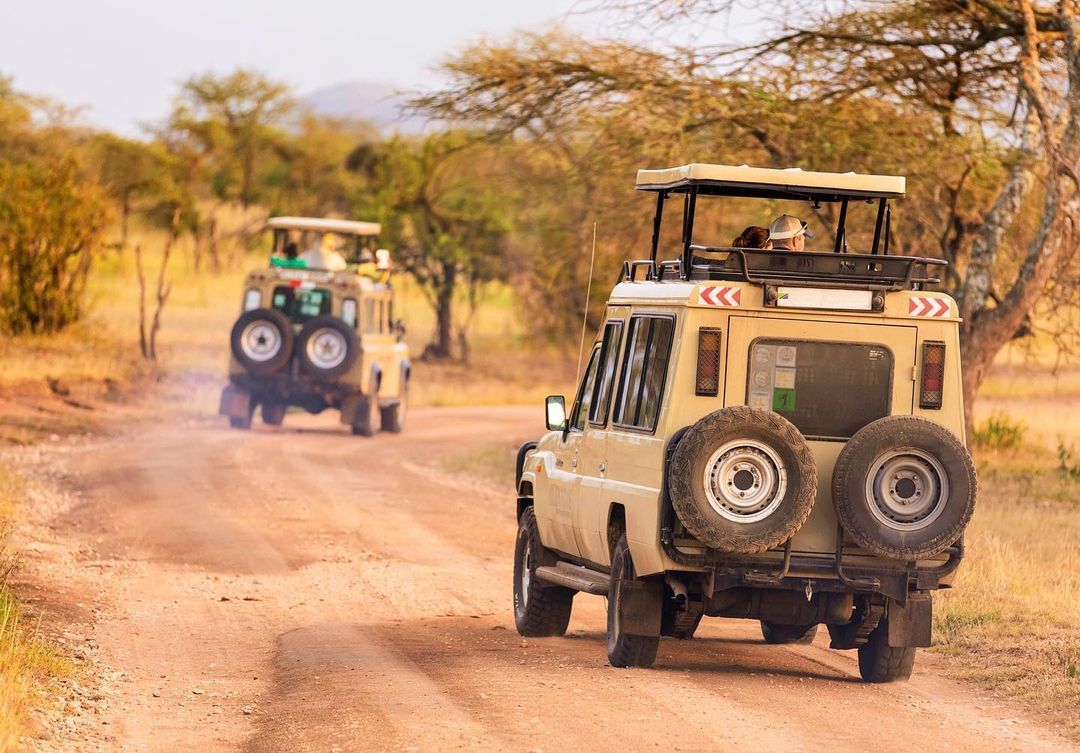
The Serengeti National Park covers over 14,750 square kilometers of rugged terrain, seasonal riverbeds, muddy tracks, and remote bush camps. A 4×4 vehicle isn’t a luxury—it’s a necessity.
What Makes a 4×4 Vital:
-
Off-road capability for unpaved, sandy, or muddy tracks
-
Ground clearance for rocky terrain and water crossings
-
Durability for long drives between game viewing zones
-
Self-recovery tools like winches or tow hooks (essential in rainy season)
Whether you’re visiting during the Great Migration or exploring the remote corners near the Mara River, your vehicle will shape your experience.
2. Types of 4×4 Safari Vehicles in the Serengeti
Here’s a breakdown of the most commonly used safari vehicles in the Serengeti:
Toyota Land Cruiser (Extended / Safari Model)
The gold standard of safari vehicles
-
Seating: 6–7 window seats with pop-up roof
-
Features: Heavy-duty suspension, raised body, long-range fuel tank
-
Best for: Guided safaris, photography tours, family or group travel
Toyota Land Cruiser Hardtop (Short Base)
Rugged and compact option
-
Seating: 4–5 passengers
-
Features: Good for remote areas, roof tent option for camping
-
Best for: Self-drive safaris or budget camping safaris
Toyota Land Cruiser V8 or GX
Comfort meets capability
-
Seating: 4–6 people
-
Features: Powerful engine, comfortable ride, air-conditioned
-
Best for: Luxury safaris or couples
Toyota Hiace or Safari Minibus
Used in budget or group safaris (less common in Serengeti)
-
Seating: 9 passengers
-
Features: Pop-up roof, basic suspension
-
Limitations: Not ideal for wet season or off-road areas
Serengeti safari vehicle guide tip: Always choose a Land Cruiser for Serengeti over a minibus. The terrain demands it.
3. Key Features to Look for in a Serengeti Safari 4×4
Not all 4x4s are created equal. When renting or booking, check if the vehicle has:
| Feature | Why It Matters |
|---|---|
| Pop-up Roof | For standing game viewing and photography |
| Fridge/Cooler Box | Keeps drinks cold on long days |
| Charging Ports | Essential for cameras and phones |
| 4WD with Locking Diff | Vital for muddy or uneven terrain |
| Roof Rack & Storage | Important for luggage on camping safaris |
| Long-Range Fuel Tank | Fuel stations are scarce in Serengeti |
| Spare Tires & Tools | Especially for self-drive travelers |
Tip: Ask about UHF radio or satellite phone in case of emergency in remote areas.
4. Self-Drive vs. Guided Safari: Which Is Better?
One of the biggest decisions is whether to go self-drive or hire a vehicle with a guide/driver.
Self-Drive Safari
-
Pros:
-
Freedom and flexibility
-
More private experience
-
Budget-friendly
-
-
Cons:
-
Requires excellent navigation skills
-
Vehicle recovery support may be delayed
-
Less wildlife tracking experience
-
Guided Safari with Driver
-
Pros:
-
Driver knows the terrain, wildlife habits, and park regulations
-
Great for photographers and first-timers
-
No stress about breakdowns or getting lost
-
-
Cons:
-
Slightly more expensive
-
Less flexibility in route changes
-
Serengeti safari vehicle guide tip: If it’s your first time or you’re visiting during the rainy season, choose a guided safari.
5. Vehicle Rental Costs and What’s Included
Daily Rental Estimates:
| Vehicle Type | Self-Drive | With Driver |
|---|---|---|
| Land Cruiser (Short Base) | $120–$150 | $180–$200 |
| Land Cruiser (Extended) | N/A | $250–$300 |
| Land Cruiser V8 (Luxury) | $150–$180 | $200–$250 |
Add-Ons:
-
Camping gear: $20–$30/day
-
Rooftop tent: $15–$25/day
-
Fridge: $10/day
-
GPS device: $5–$10/day
-
Driver/Guide fee: $40–$50/day (if not bundled)
Note: Fuel is NOT always included. Plan for extra fuel costs (~$1.50/liter).
6. Road Conditions & Best Seasons to Use Your 4×4
Dry Season (June–October):
-
Roads are in best condition
-
Easier to self-drive
-
Most popular time for game drives
Wet Season (March–May):
-
Roads can be impassable without proper 4×4 and experience
-
Vehicle recovery needed in some parts
-
Fewer crowds, lush scenery
Road Hazards to Watch For:
-
Dust during dry season
-
Mud and flooding in wet months
-
Hidden rocks and potholes
-
Wildlife crossing the road unexpectedly
Serengeti safari vehicle guide tip: Always drive slowly—both for safety and better wildlife viewing.
7. Fuel, Permits, and Park Rules for Vehicle Use
Fuel Planning:
-
No fuel stations inside the Serengeti
-
Last stations: Mugumu (west), Karatu (south), Arusha (far east)
-
Carry extra fuel if planning a multi-day route
Entry Permits:
-
Vehicle entry fees: ~$40/day depending on vehicle weight
-
Driver/guide fees: Covered if you’re on a guided safari
-
Camping vehicle surcharge: May apply
Park Rules for Vehicles:
-
No off-road driving allowed
-
Speed limit: 50 km/h (strictly enforced)
-
Stay on designated tracks
-
No driving after 6:00 PM (except in private conservancies)
8. Insurance and Vehicle Recovery Services
What Insurance to Ask For:
-
Third-party liability
-
Comprehensive coverage (check if it includes underbody, tires, and windows)
-
Cross-border coverage if combining Serengeti with Kenya safaris (e.g., Masai Mara)
Vehicle Recovery Support:
-
Most self-drive companies offer 24/7 support
-
Ask if they have backup vehicles in the region
-
Consider hiring a local guide if visiting remote areas like the Western Corridor or Mara River
9. Photography Considerations for Safari Vehicles
If you’re a photographer, your vehicle matters more than anything else.
What to Look For:
-
Open sides or wide windows
-
Pop-up roof with unobstructed 360° view
-
Steady ride to avoid blurred shots
-
Multiple charging ports or inverter
Pro Tip: Request a window seat for everyone—nothing is worse than missing a lion kill because you’re in the middle seat.
10. Serengeti 4×4 Vehicle Etiquette & Eco-Conscious Driving
While exploring the Serengeti, your vehicle is part of the conservation ecosystem.
Responsible Safari Vehicle Use:
-
Keep distance from animals (at least 25 meters)
-
Don’t block waterholes or wildlife paths
-
Turn off engine when stationary at sightings
-
Avoid loud music or yelling
-
Don’t litter from your vehicle
Serengeti safari vehicle guide tip: Park rangers patrol frequently, and breaking rules can lead to fines or expulsion from the park.
11. Tips for First-Time Safari Drivers
If you’re going the self-drive route, prepare like a pro:
-
Download offline maps before entering the park (Google Maps or Maps.me)
-
Bring a physical map from park headquarters
-
Ask rangers about road conditions daily
-
Watch fuel gauge closely
-
Carry basic tools and tire repair kits
-
Never drive off-track—it’s illegal and damages the environment
12. Final Checklist Before You Hit the Road
Here’s a final pre-departure checklist to ensure your 4×4 safari vehicle is ready for the Serengeti:
✅ Full tank of fuel
✅ Valid park entry permit and ID
✅ Spare tires (at least one)
✅ Tow rope, jack, and tool kit
✅ Drinking water and snacks
✅ Maps and GPS
✅ Camera, binoculars, chargers
✅ Sunscreen, hat, sunglasses
✅ Rain gear (especially Nov–May)
✅ A great attitude for wild adventure!
Your safari vehicle is more than just transportation—it’s your mobile viewing deck, photography platform, and lifeline in the wild. The Serengeti’s vastness and beauty demand a strong, well-equipped 4×4 vehicle that can handle every twist, turn, and tusker that comes your way.
By following this Serengeti safari vehicle guide (4×4), you’ll ensure your adventure is not just safe and comfortable, but unforgettable.
Need help booking a 4×4 vehicle for your Serengeti safari?
We offer well-maintained Land Cruisers, camping-ready rigs, and expert support for both self-drive and guided adventures.

Talk to us
- Email:
- Phone line:
- Whatsapp: