

Ngorongoro Crater safari
Ngorongoro Crater, The World’s Largest Unbroken Caldera and Africa’s Garden of Eden
Deep in the heart of northern Tanzania lies one of the most spectacular natural wonders on Earth, the Ngorongoro Crater. Often referred to as Africa’s Garden of Eden, this vast and awe-inspiring caldera is home to an extraordinary variety of wildlife and breathtaking landscapes. It is a place where ancient geological history meets the raw beauty of African nature, creating a sanctuary that attracts both wildlife enthusiasts and travelers from all over the world.
Ngorongoro Crater is part of the larger Ngorongoro Conservation Area, a UNESCO World Heritage Site that spans approximately 8,292 square kilometers. The crater itself was formed about two to three million years ago when a massive volcano erupted and collapsed in on itself, leaving behind a vast bowl-like depression. Today, this natural amphitheater is teeming with life, offering one of the most concentrated wildlife-viewing experiences in Africa.
Whether you are a seasoned safari-goer or visiting Africa for the first time, the Ngorongoro Crater offers an unforgettable adventure. Here, lions roam freely, elephants wander in herds, and flamingos gather in the shallow waters of Lake Magadi, all set against the dramatic backdrop of crater walls that rise up to 600 meters high.

The Geological Wonder of Ngorongoro Crater
The formation of Ngorongoro Crater is a story written in the language of fire and stone. Millions of years ago, a towering volcano, possibly even taller than Mount Kilimanjaro, dominated the landscape. A cataclysmic eruption emptied its magma chamber, and the giant mountain collapsed inward, creating the massive crater we see today.
Spanning about 260 square kilometers, the Ngorongoro Crater is the largest unbroken and unflooded volcanic caldera in the world. Its unique topography and fertile volcanic soils have created a thriving ecosystem, attracting wildlife from far and wide. From the crater rim, you can gaze down upon an unspoiled wilderness that feels like a lost world.
The crater floor is a mosaic of grasslands, swamps, forests, and lakes. Each habitat supports different species, which means that in a single game drive, you can encounter an astonishing diversity of wildlife without having to travel long distances.
Wildlife in Ngorongoro Crater
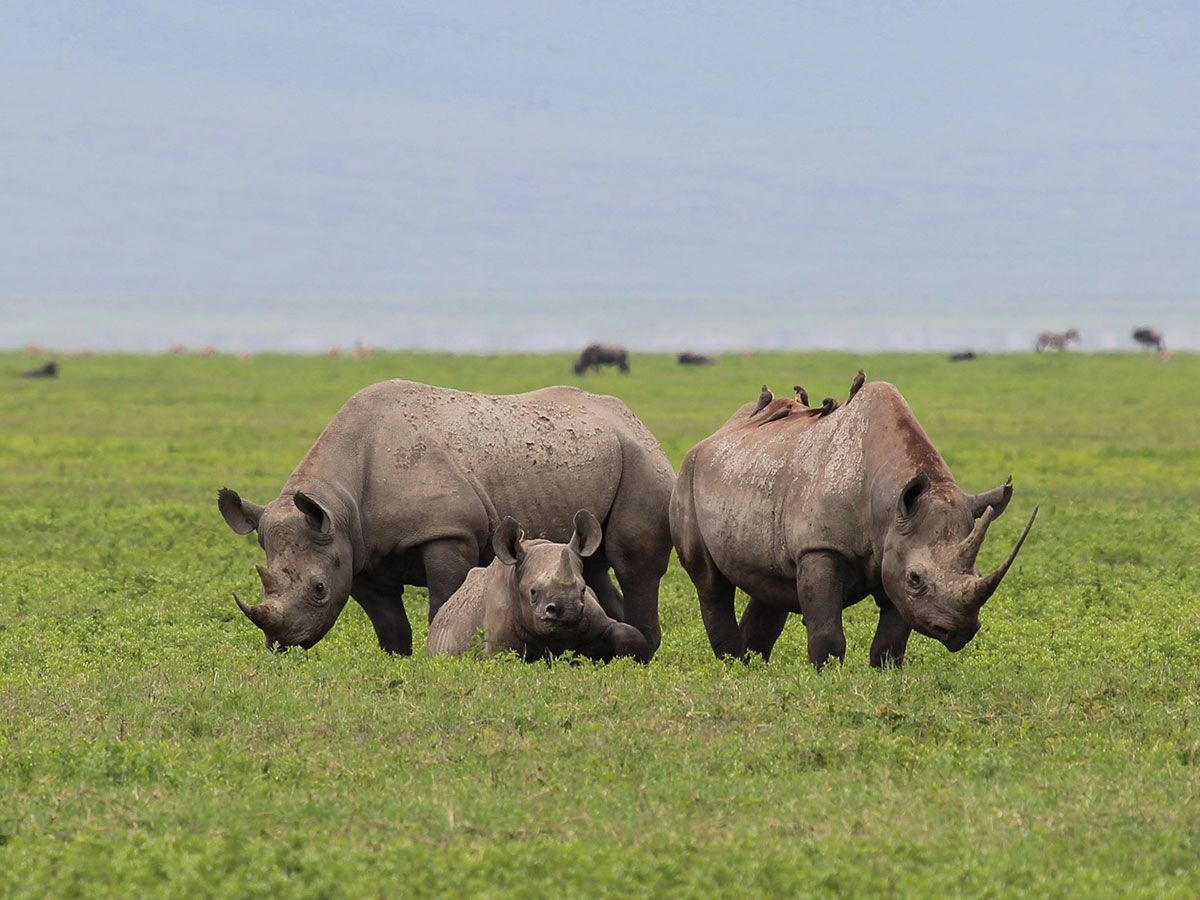
One of the main reasons travelers flock to Ngorongoro Crater is its incredible wildlife density. The enclosed nature of the crater means that many animals live here year-round, making it one of the best places in Africa for game viewing.
The Big Five
Ngorongoro Crater is one of the few places in Africa where you can spot all of the Big Five in a single day. This includes lions, elephants, buffaloes, leopards, and the critically endangered black rhino. The crater’s open plains provide excellent visibility, giving you unparalleled opportunities to photograph these iconic animals.
Predators
The lion population here is one of the densest in the world. You might witness dramatic hunting scenes as prides of lions work together to bring down wildebeest or zebra. Spotted hyenas are also a common sight, often seen competing with lions for food. Cheetahs, though less common, can occasionally be spotted gracefully stalking their prey across the grassy plains.
Herbivores
The crater is home to thousands of wildebeest, zebras, and gazelles, which form the main food source for predators. Large herds of buffalo graze peacefully, while majestic bull elephants, often with impressively long tusks, wander slowly through the grasslands. You might also encounter eland, warthogs, and waterbucks.
Birdlife
For bird lovers, Ngorongoro is nothing short of paradise. Over 500 bird species have been recorded here, including flamingos that gather in their thousands on the shores of Lake Magadi, crowned cranes with their elegant golden crests, and the impressive Kori bustard, the heaviest flying bird in the world.
Lake Magadi and Other Highlights
Lake Magadi, located at the center of the crater floor, is a shallow soda lake that attracts a variety of bird species, most famously flamingos. The pink haze of thousands of these elegant birds feeding in the alkaline waters is a sight you will never forget.
In the dry season, the lake shrinks, leaving behind salt pans that glisten in the sunlight. This seasonal change creates unique photographic opportunities and also influences the movement of wildlife in the crater.
Maasai Culture and the Ngorongoro Conservation Area
The Ngorongoro Conservation Area is not only a haven for wildlife but also a living cultural landscape. The Maasai people, with their vibrant red shukas and intricate beadwork, live in harmony with the environment here. Traditionally pastoralists, the Maasai continue to herd their cattle within the conservation area, a practice that has been allowed under the area’s unique multiple land-use philosophy.
Visiting a Maasai village offers a fascinating glimpse into a way of life that has remained largely unchanged for centuries. You can learn about their traditions, hear their songs, and see how they coexist with some of the most dangerous predators on the planet.
The Best Time to Visit Ngorongoro Crater
Ngorongoro Crater is a year-round destination, but the experience can vary depending on when you visit.
-
Dry Season (June to October) – This is the best time for wildlife viewing, as animals are easier to spot in the short grass and tend to gather around water sources. The weather is cooler and less humid, making for comfortable game drives.
-
Wet Season (November to May) – The landscape transforms into a lush green paradise, and this is the time when many animals give birth, offering adorable sightings of baby animals. Birdwatching is also at its peak, with migratory species arriving from Europe and Asia.
Safari Tips for Visiting Ngorongoro Crater
To make the most of your visit, here are some useful tips:
-
Start Early – Game drives in Ngorongoro Crater are best in the early morning when animals are most active, and the light is perfect for photography.
-
Dress in Layers – Mornings can be chilly on the crater rim, but it warms up as you descend. Wearing layers will keep you comfortable throughout the day.
-
Bring Binoculars – Although many animals are close, a good pair of binoculars will enhance your viewing experience, especially for birdwatching.
-
Hire an Experienced Guide – A knowledgeable guide can greatly enrich your safari, spotting animals you might otherwise miss and sharing fascinating insights about the ecosystem.
Where to Stay Near Ngorongoro Crater
Accommodation options range from luxurious lodges perched on the crater rim to budget-friendly campsites. Staying on the rim offers the advantage of spectacular views and quick access to the crater floor for early morning game drives.
-
Luxury Lodges – These offer world-class comfort, gourmet dining, and panoramic crater views. Many feature infinity pools, spa services, and private decks.
-
Mid-Range Lodges – Comfortable and well-located, these lodges provide a good balance between cost and amenities.
-
Camping – For the more adventurous, there are campsites that offer an authentic safari experience under the African stars.
Combining Ngorongoro with Other Destinations
Ngorongoro Crater is often part of Tanzania’s famous Northern Circuit, which also includes the Serengeti National Park, Tarangire National Park, and Lake Manyara. Combining these destinations allows you to experience a variety of landscapes and wildlife encounters in a single trip.
For example, you can witness the Great Migration in the Serengeti, see massive elephant herds in Tarangire, and enjoy birdwatching in Lake Manyara, before descending into the Ngorongoro Crater for an unparalleled safari finale.
Responsible Tourism in Ngorongoro
As one of the most visited safari destinations in Africa, Ngorongoro Crater faces challenges related to environmental preservation. Responsible tourism practices are essential to protect its delicate ecosystem. Visitors can contribute by:
-
Following park rules and staying on designated tracks to avoid damaging vegetation.
-
Limiting noise to prevent disturbing wildlife.
-
Avoiding single-use plastics and disposing of waste properly.
-
Supporting local communities by purchasing Maasai crafts directly from artisans.
The Magic of Ngorongoro Crater
There is something truly magical about Ngorongoro Crater. Perhaps it’s the way the morning mist clings to the crater walls before slowly lifting to reveal herds of animals grazing peacefully. Perhaps it’s the rare thrill of spotting a black rhino, or the sound of lions roaring at dawn. Or maybe it’s the deep connection you feel with the earth in a place that has remained largely untouched for millions of years.
Whatever it is, Ngorongoro has a way of etching itself into your heart. Long after you have left, you will find yourself dreaming of the crater’s golden plains, the shimmering lake, and the timeless rhythm of life that plays out within its walls.
The Ngorongoro Crater is more than just a safari destination, it’s a living, breathing testament to the power of nature and the resilience of life. Whether you come for the wildlife, the landscapes, or the cultural encounters, you will leave with memories that will last a lifetime.
For travelers seeking an African adventure that combines spectacular scenery, rich history, and extraordinary wildlife encounters, Ngorongoro Crater stands among the very best the continent has to offer. Book With Us!

Talk to us
- Email:
- Phone line:
- Whatsapp: