

Are there lions in Serengeti?
Are There Lions in Serengeti? The Truth About Africa’s King of Beasts
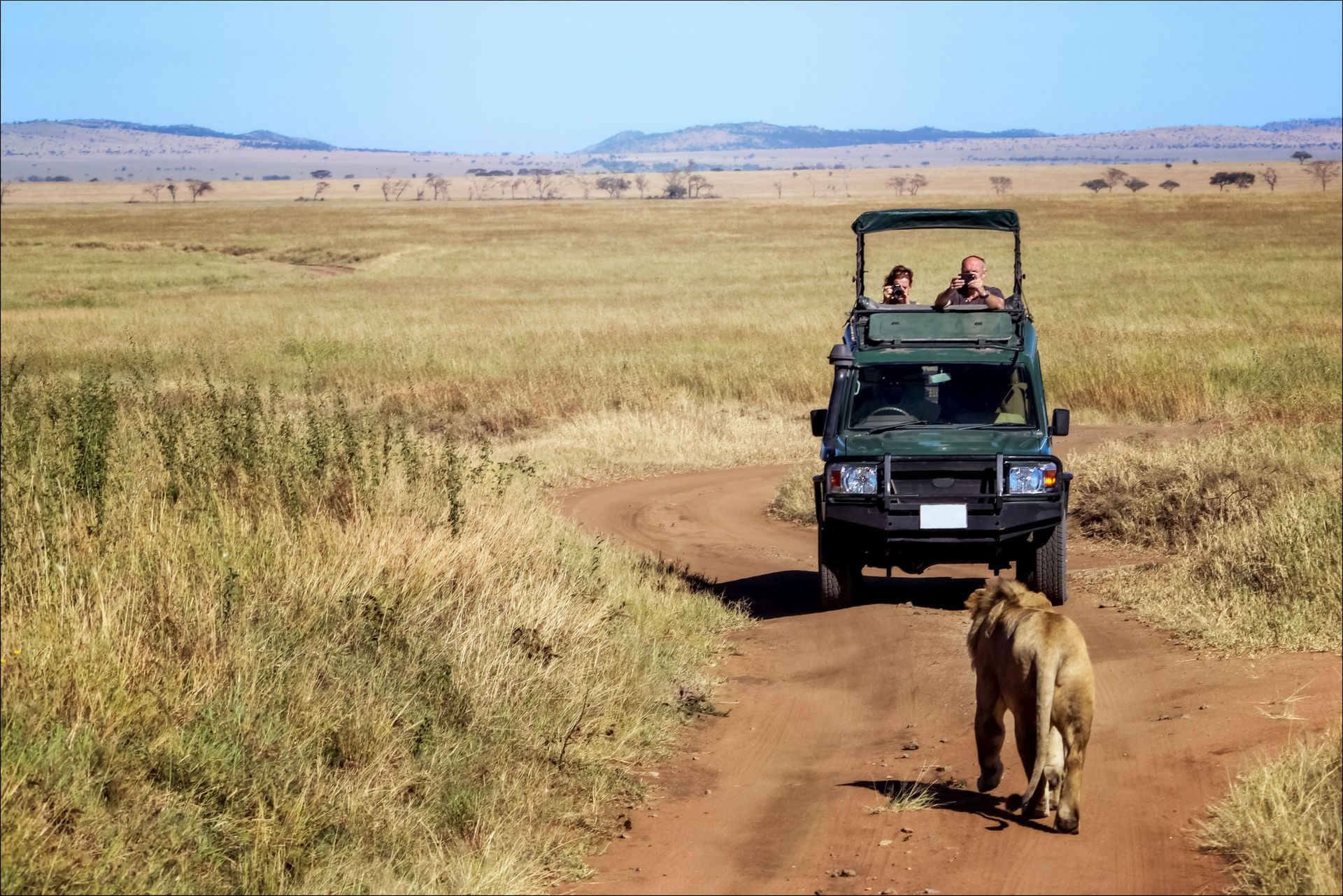
If you have ever dreamed of going on an African safari, chances are that you have imagined a lion walking across the golden grasslands under a warm sunset. That image is not just from movies or documentaries, it is real and alive in one of the most iconic wildlife destinations on Earth, the Serengeti National Park. But how many lions live there, where do you find them, and what makes this place so special for the king of beasts? Let’s explore.
Why Serengeti is Synonymous with Lions
The Serengeti, located in northern Tanzania, is one of the largest and most famous national parks in the world. Covering about 14,750 square kilometers, it is a UNESCO World Heritage Site that supports one of the most diverse and dense concentrations of wildlife anywhere on the planet.
When people think of lions in the wild, they often picture the Serengeti for a good reason. It is home to the largest population of lions in Africa, estimated at over 3,000 individuals. This is more than many other African parks combined. The Serengeti ecosystem, which includes the neighboring Ngorongoro Conservation Area and parts of Kenya’s Maasai Mara, provides the perfect environment for lions to thrive.
The Lion’s Role in the Serengeti Ecosystem
Lions in Serengeti are apex predators, meaning they sit at the top of the food chain. They play a vital role in maintaining the balance of the ecosystem by controlling herbivore populations. Without lions, grazers like zebras and wildebeest could overpopulate, which would lead to overgrazing and damage to the grasslands.
Lions also influence the behavior of other predators such as cheetahs and hyenas. Their presence keeps the ecosystem dynamic and healthy. In fact, scientists often call lions “keystone species” because their absence would completely alter the structure of the Serengeti’s wildlife community.
Where to Spot Lions in the Serengeti
The Serengeti is vast, but some areas are particularly famous for lion sightings:
-
Seronera Valley
This central area of Serengeti is often called “Big Cat Country”. The Seronera River provides year-round water, which attracts prey species such as antelopes, giraffes, and zebras. This abundance of food draws lions in large numbers. Many safari guides say that if you have only a few days in the Serengeti, Seronera gives you the best chance to see lions up close. -
Ndutu Region
Located in the southern Serengeti and part of the Ngorongoro Conservation Area, Ndutu is famous during the wildebeest calving season from late January to March. The sheer number of vulnerable young wildebeest and zebras makes it a lion’s paradise. -
Western Corridor
Following the Grumeti River, this region is lush and scenic. During the migration season, many lions take advantage of the wildebeest crossing the river, leading to dramatic hunting scenes. -
Northern Serengeti
Less crowded with tourists, the northern part is home to some of the park’s most impressive prides. From July to October, when the migration moves north, lions here enjoy an endless feast.
The Serengeti Lion Population
Current estimates suggest there are more than 3,000 lions in the Serengeti ecosystem. They live in prides that range from as few as three individuals to as many as 40. A pride usually consists of related lionesses, their cubs, and a coalition of males that defend the pride’s territory.
The Serengeti’s lion density varies across the park. In some areas, you might find up to 30 lions in just 100 square kilometers. This density makes it one of the easiest places in Africa to observe lion behavior in the wild.
What Makes Serengeti Lions Special
Several unique features make Serengeti lions stand out from lions in other regions:
-
Size of Prides: Serengeti prides tend to be larger than those in other parks due to the high prey availability.
-
Hunting Skills: With such a variety of prey species, Serengeti lions display a wide range of hunting techniques, from stalking in tall grass to ambushing near riverbanks.
-
Boldness: Many Serengeti lions are used to safari vehicles, allowing for incredibly close viewing without disturbing them.
-
Genetic Diversity: The vast size of the ecosystem helps maintain strong genetic health in the population.
When is the Best Time to See Lions in Serengeti?
You can see lions in the Serengeti at any time of year, but your experience will differ depending on the season.
-
Dry Season (June to October)
This is considered the best safari season. Animals gather around rivers and waterholes, making lions easier to spot. The grass is shorter, so you have clear views for photography. -
Green Season (November to May)
Although rains make the grass taller, the scenery is lush and beautiful. From January to March, the calving season brings tens of thousands of newborn wildebeest and zebras, attracting lions in great numbers. -
Migration Season
Whenever the Great Migration is in your location, lions will be nearby. The movement of over 1.5 million wildebeest ensures a constant food supply.
The Great Migration and Lions
One of the most dramatic wildlife spectacles in the world, the Great Migration involves over a million wildebeest, hundreds of thousands of zebras, and antelopes moving in search of fresh grazing. Lions play a starring role in this epic journey.
During the migration, lions often follow the herds, hunting stragglers and young calves. In some cases, prides position themselves along migration routes, turning certain river crossings into high-drama hunting grounds.
For wildlife photographers and enthusiasts, this is an unmatched opportunity to witness the raw power and strategy of lions in action.
Lion Behavior You Might Witness in Serengeti
On a Serengeti safari, you can observe a range of fascinating lion behaviors:
-
Hunting: Typically done by lionesses working in coordinated groups.
-
Resting: Lions rest for up to 20 hours a day, often sprawled in the shade or even on dirt roads.
-
Social Bonding: Watch for head rubbing, grooming, and playful behavior among pride members.
-
Territorial Displays: Roaring at night is a powerful reminder of their presence. A lion’s roar can be heard up to 8 kilometers away.
-
Cub Rearing: Mothers are fiercely protective, and watching tiny cubs play is a highlight of any safari.
Conservation Challenges for Serengeti Lions
While the Serengeti is a stronghold for lions, they still face threats:
-
Human-Wildlife Conflict
Lions sometimes prey on livestock near park boundaries, leading to retaliation from local communities. -
Poaching
Although not as targeted as elephants or rhinos, lions can be victims of snaring and poisoning. -
Disease
Outbreaks of diseases such as canine distemper virus have impacted lion populations in the past. -
Climate Change
Changes in rainfall patterns may affect prey availability and habitat quality.
Conservation Efforts in Serengeti
The Tanzanian government, conservation organizations, and researchers are working tirelessly to protect Serengeti lions:
-
Anti-Poaching Patrols
Rangers monitor the park to remove snares and prevent illegal activities. -
Community Programs
Projects aim to reduce conflict by providing alternative livelihoods and compensating for livestock losses. -
Research and Monitoring
The Serengeti Lion Project, running since 1966, is one of the longest-running wildlife studies in the world, providing valuable data for conservation. -
Tourism Revenue
Entrance fees and safari activities generate funds that support park management and local communities.
Photography Tips for Capturing Serengeti Lions
-
Golden Hour
Early morning and late afternoon light creates stunning images with warm tones. -
Eye Level Shots
Whenever possible, position yourself at the lion’s eye level for a more intimate feel. -
Patience Pays
Waiting with a resting pride can reward you with action moments such as yawns, stretches, or hunts. -
Respect Distance
Even if lions approach your vehicle, never try to provoke or feed them.
A Lion Safari Experience You Will Never Forget
Imagine this. You are in an open-roof safari vehicle, the sun is rising, and the air smells fresh after a night’s rain. In the distance, you spot a golden figure lying on a termite mound. As you approach, you realize it is a male lion, his mane glowing in the morning light. He yawns, stretches, and lets out a low, rumbling roar that vibrates through your chest. That moment stays with you forever.
This is the magic of Serengeti lions. It is more than just seeing an animal, it is feeling the pulse of the wild.
Why Serengeti Should Be on Your Safari Bucket List
If your dream safari involves lions, few places on Earth can compare to the Serengeti. Its vast landscapes, rich prey base, and healthy lion population make it a top destination for unforgettable wildlife encounters. Whether you are a first-time visitor to Africa or a seasoned safari traveler, the Serengeti delivers moments that words can barely describe.
Yes, there are lions in the Serengeti, and not just a few. This is one of the last places where these magnificent animals live in such abundance and freedom. Visiting Serengeti gives you a front-row seat to nature’s greatest drama, where lions rule the plains just as they have for thousands of years.
If you are planning your safari, make sure to give yourself enough days in the park, travel with an experienced guide, and have your camera ready. The king of beasts awaits you in the golden grasslands of the Serengeti. Book with Us!

Talk to us
- Email:
- Phone line:
- Whatsapp: