

Serengeti National Park
Serengeti National Park – Africa’s Timeless Safari Destination
Few names in the world of travel stir the imagination quite like Serengeti National Park. This legendary wilderness in northern Tanzania is a place where the rhythm of life has remained unchanged for thousands of years. Known for its breathtaking landscapes, staggering wildlife numbers, and the annual Great Migration, the Serengeti is a living stage for one of nature’s most awe-inspiring dramas.
Whether you are a first-time safari traveler or a seasoned wildlife enthusiast, the Serengeti offers a journey that feels both primal and luxurious. Here, golden savannahs stretch beyond the horizon, acacia trees dot the skyline, and the air carries the distant roar of lions. From the moment you enter the park, you are transported into a world where wildlife reigns and nature tells her story without pause.
In this guide, we’ll take you deep into the Serengeti — exploring its history, seasons, wildlife, best safari tips, and reasons why it should be at the top of your travel bucket list.
1. The Story of the Serengeti
The word Serengeti comes from the Maasai language, meaning “endless plains.” And indeed, standing in its heart, the horizon seems limitless. The park covers nearly 15,000 square kilometers, making it one of the largest and most famous protected areas in the world.
Its story is not just about wildlife, but about the deep cultural ties between people and land. For centuries, the Maasai people have grazed their cattle here, coexisting with the wild herds. In the 1950s, the Serengeti was declared a national park, securing its status as a haven for animals and a destination for travelers seeking Africa’s raw beauty.
Today, the Serengeti is recognized as a UNESCO World Heritage Site — a title that ensures it remains protected for generations to come. Its ecosystems are home to more than 70 species of large mammals and over 500 bird species, each playing a role in this intricate web of life.
2. The Great Migration – Nature’s Greatest Show
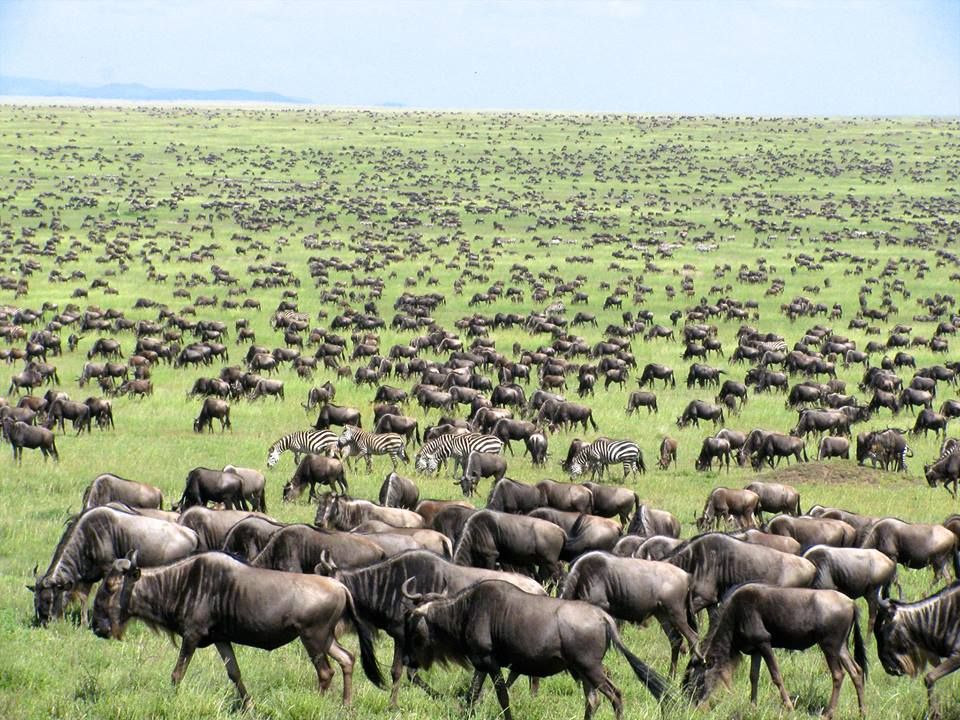
The Serengeti’s most famous spectacle is the Great Migration — an epic journey of over 1.5 million wildebeest, 250,000 zebras, and hundreds of thousands of gazelles. Following the seasonal rains, these animals move in a circular route through the Serengeti and into Kenya’s Maasai Mara, driven by the search for fresh grazing.
Witnessing the migration is like watching an ancient rhythm unfold before your eyes. There are moments of peaceful grazing, followed by heart-stopping river crossings where predators lie in wait. Crocodiles lurk in the Mara River while lions and hyenas shadow the herds on land.
Best times to see the migration:
-
December to March – Calving season in the southern Serengeti, where thousands of wildebeest calves are born daily.
-
April to June – Herds start moving north through the central Serengeti.
-
July to August – Dramatic Mara River crossings in the northern Serengeti.
-
September to November – Herds spread out in the northern areas before heading south again.
No matter when you visit, the Serengeti offers unforgettable wildlife encounters — but timing your trip with the migration ensures you’ll see one of nature’s most extraordinary events.
3. Wildlife Beyond the Migration
While the migration is the Serengeti’s star attraction, the park’s diversity is staggering year-round. The Serengeti is one of the best places in the world to see the Big Five — lion, leopard, elephant, buffalo, and rhinoceros — in their natural habitat.
Predators: Lions are abundant here, and you may witness them hunting in the open plains. Cheetahs, with their lightning speed, prefer the short-grass areas, while leopards are often spotted resting in acacia trees.
Elephants and Buffalos: Elephants roam in large herds, especially near rivers and swamps, while buffalos graze across the grasslands in impressive numbers.
Birdlife: Bird enthusiasts will be thrilled by sightings of lilac-breasted rollers, secretary birds, ostriches, and countless raptors.
Unique Species: The Serengeti is also home to lesser-known but equally fascinating creatures — from bat-eared foxes to aardwolves and the graceful giraffes that browse the treetops.
4. The Landscapes of the Serengeti
The Serengeti is not just a grassland — it is a patchwork of diverse habitats that support a wide range of wildlife.
-
Short Grass Plains – Found in the south, these open areas are perfect for spotting cheetahs and gazelles.
-
Woodlands – Scattered acacias and thorn trees provide cover for leopards and a variety of bird species.
-
Riverine Forests – These lush areas along rivers attract elephants, hippos, and a variety of monkeys.
-
Kopjes – Ancient granite outcrops that rise from the plains, often used by lions as lookout points.
-
Swamps and Marshes – Critical water sources during the dry season, drawing large concentrations of wildlife.
Every turn in the Serengeti reveals a new scene — a lioness nursing her cubs on a kopje, elephants silhouetted against a sunset, or a herd of wildebeest kicking up dust as they move across the plains.
5. When to Visit Serengeti National Park
Choosing the right time to visit depends on your priorities.
-
January to March – Ideal for calving season and predator action.
-
April to May – Fewer tourists, lush green landscapes, and excellent birdwatching.
-
June to October – Peak season with great weather and migration sightings.
-
November to December – Short rains bring fresh grass and scattered herds.
The Serengeti offers remarkable experiences year-round, but planning around the migration can elevate your trip from memorable to once-in-a-lifetime.
6. Safari Styles – Choosing Your Adventure
The Serengeti can be explored in many ways, each offering a unique perspective.
Game Drives – The most popular way to see wildlife, game drives can be half-day or full-day excursions.
Walking Safaris – Guided by armed rangers, walking safaris offer an intimate connection with the land and smaller creatures.
Balloon Safaris – Floating silently above the plains at sunrise is an unforgettable way to appreciate the Serengeti’s scale.
Photographic Safaris – Tailored for photographers, these trips allow more time at sightings for that perfect shot.
7. Accommodation – Where to Stay
From luxury lodges to mobile tented camps, the Serengeti caters to every budget and preference.
-
Luxury Lodges – Offer stunning views, fine dining, and top-class service. Perfect for honeymooners or those seeking comfort.
-
Tented Camps – Combine comfort with authenticity, placing you closer to nature without sacrificing amenities.
-
Mobile Camps – Follow the migration’s path for front-row access to wildlife action.
-
Public Campsites – Budget-friendly and adventurous, perfect for self-drive travelers.
Staying inside the park allows you to experience early morning and late evening game drives — prime times for wildlife activity.
8. Tips for an Unforgettable Serengeti Safari
-
Book Early – Especially during migration season, accommodations fill up quickly.
-
Hire a Knowledgeable Guide – Local guides know the best spots and can track animals effectively.
-
Pack Light but Smart – Neutral-colored clothing, binoculars, a camera with a zoom lens, sunscreen, and insect repellent are essentials.
-
Stay Patient – The best sightings often come to those who wait quietly.
-
Respect Wildlife – Keep a safe distance and avoid disturbing the animals.
9. The Serengeti and Conservation
The Serengeti faces challenges from poaching, habitat loss, and climate change. However, conservation efforts are strong — from anti-poaching patrols to community-based tourism initiatives.
By visiting the Serengeti, you contribute directly to its preservation. Park fees support conservation programs, and ethical tourism creates incentives for local communities to protect wildlife.
Traveling responsibly — choosing eco-friendly lodges, minimizing waste, and respecting local customs — helps ensure that this timeless landscape thrives for future generations.
10. Why the Serengeti Should Be on Your Bucket List
Few places on Earth capture the essence of a true African safari quite like the Serengeti. It is a place where you can witness raw nature — unfiltered, dramatic, and beautiful beyond words. Whether you come for the migration, the predators, the landscapes, or simply the feeling of being part of something ancient and wild, the Serengeti delivers an experience that stays with you forever.
It is not just a park — it is a living, breathing world where every day tells a different story. And the best part? You are invited to be part of it.
The Serengeti is more than a destination — it is a reminder of the natural rhythms that shape our world. In an age where so much is artificial and hurried, here you find a place where time slows down, where the land and its creatures follow cycles as old as the Earth itself.

Talk to us
- Email:
- Phone line:
- Whatsapp: