

Selous Game Reserve Walking Safaris
Selous Game Reserve Walking Safaris – The Ultimate African Bush Adventure
Step into the Heart of Untamed Africa
Imagine stepping out of a 4×4 and leaving the engine noise behind, breathing in the crisp scent of wild sage, hearing only the rustle of leaves and the distant call of a fish eagle. This is the magic of a walking safari in the Selous Game Reserve, one of the largest protected wildlife areas in Africa, covering over 50,000 square kilometers in southern Tanzania.
Unlike the traditional game drive where you remain seated inside a vehicle, a walking safari allows you to experience the African wilderness at ground level, moving at a natural pace, guided by skilled rangers and trackers. Every step in Selous reveals a story, from fresh lion paw prints in the sand to the dazzling flash of a lilac breasted roller.
In this guide, we will take you deep into the world of Selous Game Reserve walking safaris, covering what makes them unique, what to expect, safety measures, wildlife encounters, the best times to visit, and tips to ensure your adventure is unforgettable.
Why Choose a Walking Safari in Selous Game Reserve?
Selous Game Reserve, now officially known as Nyerere National Park since 2019, is a UNESCO World Heritage Site. It is famous for its incredible biodiversity, pristine landscapes, and relatively low tourist numbers compared to the northern parks of Tanzania. This means you enjoy an authentic, crowd-free safari.
Here’s why Selous is the ultimate walking safari destination:
-
Massive and Untamed – With an area larger than Switzerland, Selous offers unspoiled habitats ranging from miombo woodlands to open savannahs, wetlands, and the mighty Rufiji River system.
-
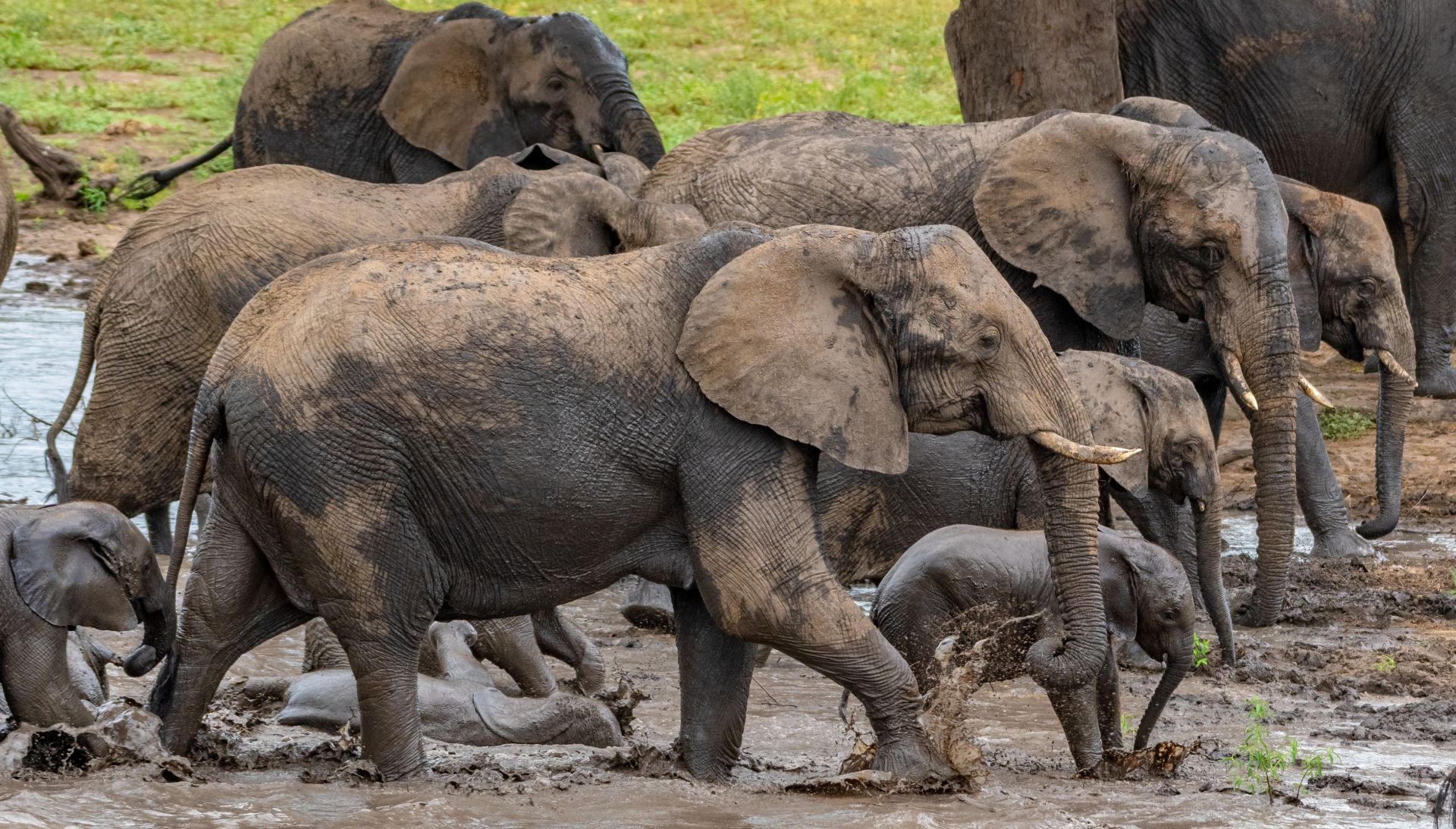
Rich Wildlife Diversity – Home to elephants, buffalo, lions, leopards, African wild dogs, giraffes, hippos, crocodiles, and over 440 bird species.
-
Authentic Safari Feel – Walking safaris here are not mass-market tourist activities. They are intimate, immersive experiences often limited to small groups.
-
Expert Local Guides – The guides in Selous are highly trained in bushcraft, animal behavior, and safety, adding depth to your adventure.
The History of Walking Safaris in Selous
Walking safaris in Selous are deeply rooted in traditional exploration. Early big-game hunters and naturalists in the late 19th and early 20th centuries explored these landscapes on foot, guided by indigenous trackers who understood the land intimately. Over the decades, the focus shifted from hunting to conservation, and walking safaris became a way for travelers to connect with nature without disturbing it.
Today, walking safaris in Selous follow strict conservation guidelines, ensuring minimal environmental impact while offering visitors a profound appreciation of the wilderness.
What to Expect on a Selous Walking Safari
If you have never been on a walking safari before, you might wonder how it works. A typical walking safari in Selous begins early in the morning when the air is cool and wildlife is most active. You meet your armed ranger and naturalist guide, receive a safety briefing, and then set off on foot into the bush.
Highlights of the experience include:
-
Close-Up Wildlife Viewing – You may see giraffes browsing in acacia trees, elephants moving quietly through the bush, or antelopes bounding across open plains.
-
Tracking Skills – Learn to read animal tracks, identify droppings, and notice subtle signs of wildlife presence.
-
Flora and Fauna Knowledge – Discover the medicinal uses of plants, bird calls, insect behavior, and the interconnectedness of the ecosystem.
-
Silence and Presence – Walking brings a new awareness of sounds and smells, creating a deeper connection to nature.
Walking distances vary from 5 to 10 kilometers, depending on fitness levels and interests. Breaks are taken under shady trees, and water is always on hand.
Safety on Walking Safaris
Safety is paramount during a walking safari. The idea of being on foot in big game country might seem intimidating, but your guides are trained professionals who follow strict protocols.
Key safety measures include:
-
Armed rangers accompany every group for protection.
-
Guides maintain safe distances from dangerous wildlife.
-
Group sizes are kept small for better control and safety.
-
Guests receive clear instructions on behavior in different wildlife encounters.
You will never be rushed. The focus is on observation, not confrontation. Most animals view humans on foot as non-threatening if approached calmly and respectfully.
Wildlife You Might Encounter
Selous is teeming with wildlife, and the beauty of a walking safari is the unpredictability. You never know what might be around the next bend in the trail.
Possible sightings include:
-
Large Mammals – Elephants, buffalo, giraffes, hippos, and wildebeest.
-
Predators – Lions, leopards, spotted hyenas, and the endangered African wild dog.
-
Birds – African fish eagle, carmine bee-eater, lilac breasted roller, and giant kingfisher.
-
Reptiles – Nile crocodiles and monitor lizards.
-
Smaller Creatures – Dung beetles, chameleons, and agamas.
Some of the most magical moments are not about the big animals, but about the smaller details you notice only when moving slowly on foot.
The Role of the Rufiji River
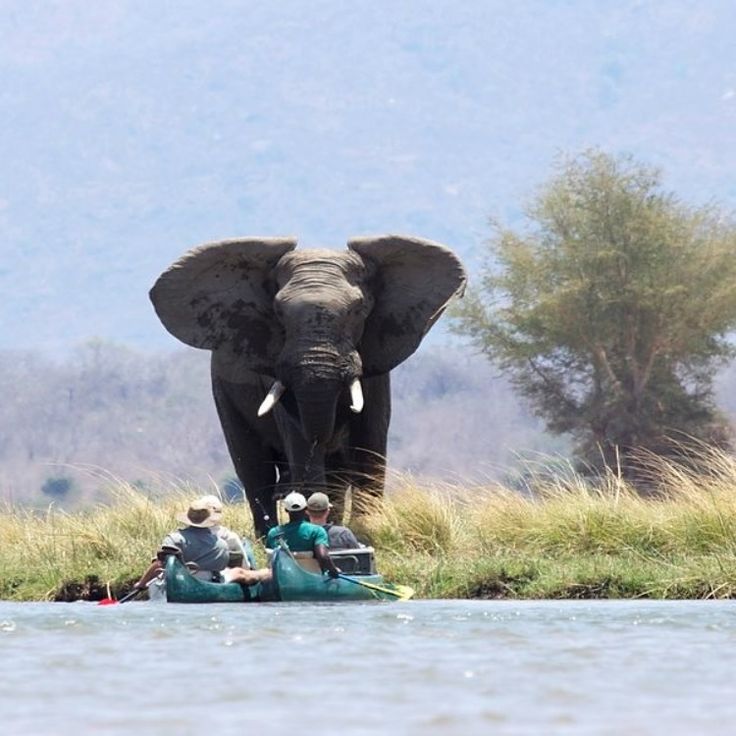
The Rufiji River is the lifeblood of Selous, winding through the reserve and creating a network of channels, lakes, and swamps. On a walking safari, you may approach the riverbanks, watching pods of hippos wallow in the shallows, crocodiles basking on sandbanks, and fish eagles patrolling overhead. The river supports a rich variety of life, and its seasonal flooding shapes the landscape.
Best Time for a Walking Safari in Selous
The best time to enjoy a walking safari in Selous is during the dry season from June to October. During this period, vegetation is thinner, making wildlife easier to spot, and animals gather around water sources, increasing your chances of sightings.
The rainy season from November to May brings lush greenery and abundant birdlife, but some trails may become inaccessible due to flooding.
What to Pack for Your Walking Safari
Packing correctly will make your walking safari more comfortable and enjoyable.
Essential items include:
-
Comfortable, neutral-colored clothing (avoid bright colors).
-
Sturdy walking shoes or lightweight hiking boots.
-
Wide-brimmed hat and sunglasses.
-
High-SPF sunscreen and insect repellent.
-
Refillable water bottle.
-
Lightweight rain jacket (especially in green season).
-
Binoculars for birdwatching.
-
Camera with a zoom lens.
Photography Tips for Walking Safaris
Capturing the essence of a walking safari requires a slightly different approach than photographing from a vehicle.
Tips:
-
Keep your camera ready, as wildlife encounters can be brief.
-
Use a zoom lens for close-ups without disturbing animals.
-
Capture wide-angle shots to show the scale of the landscape.
-
Focus on details such as tracks, flowers, or textures.
-
Respect the wildlife and avoid flash photography.
Walking Safari Itineraries in Selous
Walking safaris can be a stand-alone activity or part of a multi-day safari package. Some lodges and camps offer multi-day walking safaris where you stay in mobile camps along the route, moving deeper into the reserve each day. Others offer morning or afternoon walks from a permanent lodge base.
A popular combination is a few days of game drives and boat safaris, followed by a day or two of walking safaris for a balanced experience.
Accommodation Options
Selous offers a range of accommodation to suit different budgets:
-
Luxury Lodges – Spacious tents or suites with private verandas overlooking rivers or plains.
-
Mid-Range Camps – Comfortable tents with en-suite bathrooms and great guiding.
-
Mobile Camps – Set up in remote locations for the ultimate wilderness immersion.
Many lodges have expert guides for walking safaris and can tailor the experience to your interests.
Responsible Tourism and Conservation
By joining a walking safari in Selous, you contribute to conservation efforts. Park fees help fund anti-poaching patrols, community development, and habitat preservation. Walking safaris have a low environmental footprint, as they require minimal infrastructure and use existing animal trails.
Cultural Connections
Some walking safari itineraries include visits to nearby communities where you can learn about the traditions of the people who have coexisted with wildlife for generations. These encounters add a human dimension to your safari, highlighting the importance of community involvement in conservation.
Why Selous Walking Safaris are Unforgettable
Walking safaris in Selous Game Reserve are more than just a holiday activity. They are a way of connecting deeply with nature, of slowing down and noticing the intricate details of the wild. Whether it’s the excitement of spotting a fresh lion track, the laughter shared over a picnic under a baobab, or the quiet satisfaction of watching the sunset over the Rufiji River after a day on foot, the memories will stay with you forever.
Selous offers a sense of space and freedom that is rare in today’s world. Here, you are not just a spectator — you are part of the landscape, moving through it with respect and wonder. For those seeking an authentic African safari experience, the walking safari in Selous is an adventure like no other.

Talk to us
- Email:
- Phone line:
- Whatsapp: