

3 Days Mikumi & Udzungwa
3 Days Mikumi & Udzungwa Safari Itinerary
Overview
Embark on an unforgettable 3-day safari exploring Mikumi National Park and the Udzungwa Mountains National Park, two of Tanzania’s hidden gems. Witness the incredible diversity of wildlife, lush landscapes, and breathtaking waterfalls. This safari offers the perfect combination of game drives, nature walks, and cultural encounters for travelers seeking adventure, wildlife, and serene natural beauty.
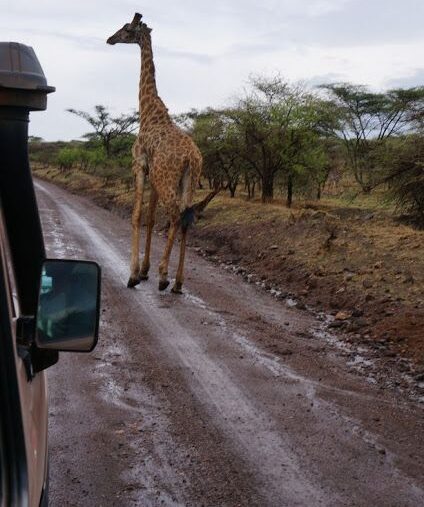
Safari Highlights
-
Game drives in Mikumi National Park, spotting lions, elephants, giraffes, zebras, and buffalo.
-
Guided hiking and waterfall exploration in Udzungwa Mountains, home to endemic primates and rich birdlife.
-
Scenic views of the Great Rift Valley.
-
Opportunities for photography, birdwatching, and experiencing Tanzania’s local culture.
Belief Itinerary
We believe safaris should balance adventure, comfort, and meaningful encounters with nature. This 3-day experience emphasizes immersive wildlife viewing, walking safaris, and cultural appreciation while providing safe, comfortable accommodations.
Detailed Itinerary
Day 1: Dar es Salaam – Mikumi National Park
-
Morning: Pick up from Dar es Salaam, drive to Mikumi National Park (approx. 4–5 hours). Enjoy scenic views along the way.
-
Afternoon: Check-in at your lodge/camp, have lunch, and rest.
-
Evening: Afternoon game drive in Mikumi, spotting elephants, lions, giraffes, zebras, and other wildlife.
-
Accommodation: Mikumi Safari Lodge / Vuma Hills Lodge
-
Meals: Lunch, Dinner
Day. 2: Mikumi – Udzungwa Mountains National Park
-
Morning: Early breakfast and morning game drive in Mikumi.
-
Midday: Drive to Udzungwa Mountains National Park (approx. 3–4 hours). Stop for lunch en route.
-
Afternoon: Guided walk to explore waterfalls and endemic wildlife. Discover rare primates such as the Udzungwa Red Colobus.
-
Evening: Check-in at Udzungwa lodge, dinner, and relaxation.
-
Accommodation: Udzungwa Forest Lodge / Camp (comfortable eco-lodge)
-
Meals: Breakfast, Lunch, Dinner
Day 3: Udzungwa – Dar es Salaam
-
Morning: Optional early morning birdwatching or short nature walk. Breakfast at lodge.
-
Midday: Depart Udzungwa, enjoy lunch along the route.
-
Afternoon: Drive back to Dar es Salaam. Safari ends with drop-off at your hotel or airport.
-
Meals: Breakfast, Lunch
Inclusive
-
Transportation in 4×4 safari vehicle with pop-up roof
-
Professional English-speaking safari guide
-
Park entrance fees for Mikumi and Udzungwa
-
Game drives and guided walks as per itinerary
-
Accommodation and meals as stated
-
Bottled water during safari
Exclusive
-
International flights
-
Travel insurance
-
Tips and gratuities
-
Personal purchases, drinks, and souvenirs
-
Optional activities not mentioned in itinerary
What to Pack
-
Lightweight, neutral-colored clothing (long sleeves and trousers recommended for bush walks)
-
Comfortable walking shoes and sandals
-
Sunhat, sunglasses, and sunscreen
-
Binoculars and camera
-
Light rain jacket (for Udzungwa)
-
Insect repellent and personal medications
-
Small daypack for hikes
Travel & Safety Advisory
Health Precautions:
Before embarking on your safari, make sure all routine vaccinations are up to date, including tetanus, typhoid, and hepatitis. Malaria is present in many parts of Tanzania, so taking malaria prophylaxis is strongly recommended. Carry all personal medications you may need, including prescription drugs, pain relievers, and allergy medicines. A small, well-stocked first-aid kit with bandages, antiseptic cream, and any other essentials is also advisable for minor cuts or ailments during your trip.
Sun & Heat:
The sun can be intense, especially in open savannahs and during midday. It is important to wear sunscreen with a high SPF rating, a wide-brimmed hat, and UV-protective sunglasses. Drink plenty of water throughout the day to stay hydrated, and avoid prolonged direct sun exposure during the hottest hours. Light, breathable clothing in neutral colors not only protects from sunburn but also keeps you cool during game drives.
Wildlife Safety:
Always follow the instructions of your guide and remain inside the safari vehicle unless explicitly allowed to exit. Wild animals are unpredictable, so maintaining a safe distance at all times is essential. Avoid loud noises, sudden movements, or trying to attract the attention of wildlife, as this may provoke them. Respect animal space and never attempt to feed or touch the wildlife.
Footwear & Clothing:
Neutral-colored clothing such as khaki, olive, or beige helps you blend into the environment, making it easier to observe wildlife. Avoid bright colors that may startle animals. Closed shoes or sturdy walking boots are recommended, particularly if you plan to participate in walking safaris or explore dusty, uneven terrain. Layered clothing is useful to adjust to cool mornings, hot afternoons, and potentially chilly evenings.
Photography & Electronics:
Charge all cameras, binoculars, and other electronic devices before each safari day. Protect electronics from dust, moisture, and heat exposure. Carry extra memory cards and batteries, as game drives often offer unexpected photo opportunities. For binoculars, ensure straps are secure to prevent accidental drops when observing wildlife at a distance.
Local Culture:
When passing through villages or interacting with local communities, always be respectful and considerate. Ask for permission before taking photographs of people, particularly in rural areas. Learn a few basic local phrases; small gestures of respect go a long way. Support local businesses and artisans where possible, helping sustain communities near the parks.
Nighttime Caution:
Walking alone at night in or near wildlife areas is dangerous. Always stay within your lodge, camp, or approved vehicle after dark. Night drives should only be undertaken with a trained guide in a properly equipped vehicle. Observe all park regulations regarding nighttime activities to ensure your safety.
Hydration & Snacks:
Carry sufficient bottled water and light snacks during long drives or safaris. Dehydration can occur quickly in hot climates, so frequent sips of water are essential. Healthy snacks like nuts, fruits, or energy bars help maintain energy levels during game drives.
Travel Documents:
Keep all essential documents such as your passport, visa (if required), travel insurance information, and itinerary secure and accessible at all times. Make digital and physical copies of important documents in case of loss. Ensure your guides or lodge staff know how to contact you in emergencies, and keep emergency numbers handy.

Talk to us
- Email:
- Phone line:
- Whatsapp: