

What Is a Tanzania Group Safari and How Does It Work?
What Is a Tanzania Group Safari and How Does It Work?
Imagine standing on endless golden plains. The sun is rising over the Serengeti. In the distance, a herd of elephants walks slowly across the road. The air is fresh. Your heart beats fast — but not from fear. From wonder.
Now imagine sharing that moment with just a few new friends from around the world. Laughing together. Pointing at a lion hiding in the grass. Passing the binoculars back and forth.
That is what a Tanzania group safari feels like.
But maybe you are thinking:
“What exactly is a group safari? How does it work? Is it for me?”
Don’t worry. Let me explain everything in the simplest, sweetest way possible.
So, What Is a Tanzania Group Safari?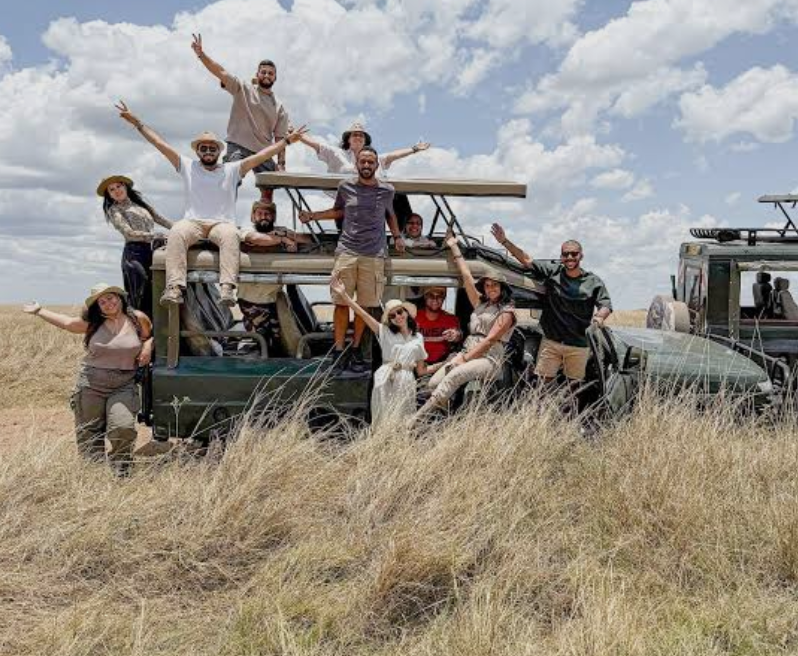
A Tanzania group safari is exactly what it sounds like.
You join a small group of travelers — usually between 4 and 8 people — to explore Tanzania’s famous national parks together.
Instead of renting a private jeep just for yourself or your family, you share a custom safari vehicle (a strong 4×4 Land Cruiser with a pop-up roof) with other travelers. You share the adventure. And most importantly, you share the cost.
Group safaris are organized by tour operators. They take care of everything:
-
Pick up from the airport
-
Your safari vehicle and driver-guide
-
Park entry fees
-
Meals and drinking water
-
Accommodation (lodges, tented camps, or budget campsites)
You just show up, hop in, and enjoy the ride.
How Does a Group Safari Work? Step by Step
Let me walk you through the whole journey — from booking to saying goodbye.
Step 1: You Find a Group Safari Online
You search for something like “Tanzania group safari” or “join a safari in Tanzania.” Many tour companies offer fixed departure dates. You pick a date that works for you.
Sometimes you join an existing group. Other times, the company groups together solo travelers and small parties who booked the same trip.
Step 2: You Book and Pay a Deposit
Once you choose your safari — for example, a 5-day camping safari to Lake Manyara, Serengeti, and Ngorongoro Crater — you pay a small deposit to secure your spot. The rest you pay later, often upon arrival or a few weeks before departure.
Step 3: You Arrive in Tanzania
Most group safaris start and end in Arusha or Moshi — two friendly towns near Kilimanjaro International Airport. The tour operator picks you up from the airport or your hotel.
You’ll meet your group the night before or early in the morning. This is when you get excited together.
Step 4: The Safari Begins — Early Morning!
Around 6 or 7 AM, your driver-guide arrives. You climb into a roomy safari jeep with 6 or 7 other people. Each person gets a window seat — no one is stuck in the middle.
Your guide is a local expert. They know where lions sleep, where leopards hide, and where to find the Great Migration crossing rivers.
Step 5: Game Drives and Wild Days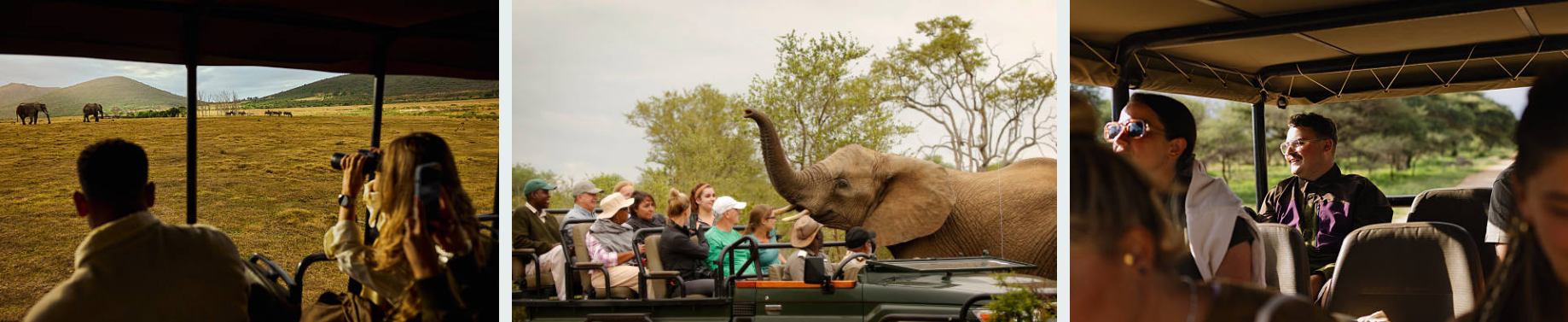
Every day looks something like this:
-
Wake up early (around 5:30 AM) for coffee and a quick breakfast
-
Morning game drive — animals are most active when the sun rises
-
Return to camp or lodge for lunch and rest
-
Afternoon game drive until sunset
-
Dinner and stories around the campfire
You move slowly from park to park. On a typical 6-day group safari, you might visit:
-
Tarangire National Park (famous for elephants and baobab trees)
-
Serengeti National Park (endless plains and the Great Migration)
-
Ngorongoro Crater (a natural arena filled with lions, rhinos, zebras, and flamingos)
Step 6: You Return to Arusha
After the last game drive, your group drives back to Arusha. You say goodbye. Some people go to Zanzibar for a beach holiday. Others fly home. And everyone shares photos on WhatsApp for weeks.
Why Do People Love Group Safaris?
Let me tell you the best parts — because a group safari is not just cheaper. It is warmer.
1. You Share the Joy
Seeing a cheetah chase a gazelle is amazing. But sharing that moment with someone who also gasped? That is unforgettable. On a group safari, you celebrate every sighting together.
2. You Make Friends from Around the World
You might start as strangers. But after two days of bumpy roads, shared snacks, and laughing at baboons stealing lunch, you become safari siblings. Many travelers stay friends for years.
3. It Is Much Cheaper
A private safari for one person can cost 2,000to5,000 or more. A group safari? You can find budget camping trips for 200to350 per day — sometimes even less. You get the same parks, the same animals, and almost the same experience for a fraction of the price.
4. Less Planning for You
The tour operator handles everything: permits, bookings, meals, and logistics. You just relax and look out the window.
5. You Feel Safer
Traveling alone in a new country can feel scary. In a group, you have instant friends and a professional guide. You feel protected and confident.
Are There Any Downsides?
Let’s be honest. Group safaris are wonderful, but not perfect for everyone. Here are the small trade-offs:
-
You don’t choose the schedule. The group follows a fixed plan. If you want to stay two extra hours watching a lion sleep, the group might say no.
-
Different personalities. Most groups get along great. But rarely, you might meet someone noisy or impatient. That’s okay — the safari is big enough for everyone.
-
Less private romance. If you are on a honeymoon, a private safari is more special. Group safaris are social, not secluded.
But for most travelers — especially solo adventurers, budget explorers, and first-timers — the good far outweighs the small inconveniences.
Who Is a Group Safari Perfect For?
-
Solo travelers — No single supplement fees. You meet people instantly.
-
Backpackers and budget travelers — You save hundreds or thousands of dollars.
-
First-time safari goers — You learn from others and an expert guide.
-
Friends traveling in small pairs — You join a group to make the trip more lively.
-
Anyone who wants less stress — Everything is arranged for you.
What About Accommodation? Is It Rough?
Not at all! Group safaris come in three styles:
1. Budget Camping Safari
You sleep in good quality tents with sleeping mats. There are public campsites with shared bathrooms and basic showers. It is simple but clean and safe. Very popular with young travelers.
2. Mid-Range Tented Camp Safari
You stay in permanent tented camps with real beds, private bathrooms, and hot water. It feels like a hotel but inside a canvas tent under the stars.
3. Luxury Lodge Safari
You stay in lodges with swimming pools, fine dining, and stunning views. Comfort meets adventure.
Most group safaris are budget or mid-range. But you can also find luxury group trips.
What Animals Will You See?
Tanzania is an animal paradise. On a group safari, you will almost certainly see:
-
Lions (sleeping on roads, hunting zebras)
-
Elephants (huge, gentle, and close to the vehicle)
-
Giraffes (elegant and curious)
-
Zebras and wildebeests (millions during the Great Migration)
-
Hippos (in pools, snorting and splashing)
-
Crocodiles (lying like logs on riverbanks)
-
Leopards (rare but magical — your guide knows where to find them)
-
Rhinos (mostly in Ngorongoro Crater)
You might also see cheetahs, hyenas, baboons, flamingos, ostriches, and hundreds of colorful birds.
How Much Does a Tanzania Group Safari Cost?
Here is a rough idea to help you plan (prices per person per day):
-
Budget group camping safari: 180–250
-
Mid-range group tented safari: 280–400
-
Luxury group lodge safari: 450–700
Most group safaris last 3 to 7 days.
A 5-day budget group safari might cost 900to1,250 total — including parks, transport, guide, food, and camping. You only pay extra for tips, visas, and flights to Tanzania.
Compare that to a private safari, which could easily cost $3,000 or more for the same 5 days. The savings are huge.
Is a Group Safari Safe for Solo Women?
Yes, very safe. Tanzania is a peaceful, tourist-friendly country. Many solo female travelers join group safaris every year.
You sleep in your own tent or private room. The group is respectful. The guides are professional. You never feel alone or unsafe. That said, always book with a reputable tour operator — read reviews on TripAdvisor or SafariBookings.
Tips for a Fantastic Group Safari
-
Bring a pair of binoculars — You’ll watch animals for hours.
-
Wear neutral clothes — Khaki, green, brown. No bright colors or camouflage.
-
Pack a warm jacket — Early mornings in the crater or Serengeti can be very cold.
-
Reserve a window seat — Ask politely. Most groups rotate seats daily.
-
Tip your driver-guide — 15–25 per person per day is standard for excellent service.
-
Be flexible — Animals don’t follow a clock. Enjoy the surprises.
Ready to Join a Tanzania Group Safari?
Now you know exactly what a Tanzania group safari is and how it works.
You wake up with the sun. You share coffee and laughter with new friends. You watch a lion family stretch in the morning light. You return home with photos that make your friends jealous — and with stories you will tell for the rest of your life.
And the best part? It costs much less than you imagined.
So stop dreaming. Start searching for a group departure date that fits your calendar. Tanzania is waiting — and so are the elephants, the lions, and the endless sky.

Talk to us
- Email:
- Phone line:
- Whatsapp: