

Are Group Safaris Safe For Farmilies With Young Children In Tanzania
Are Group Safaris Safe for Families With Young Children in Tanzania?
Group safaris in Tanzania are one of the most popular ways to experience the country’s wildlife, especially for travelers who want something more structured and also a cost-sharing sort of fun. In places like Tanzania, group safaris often mean you join other travelers in a shared 4×4 safari van, with a professional driver-guide. They usually keep to a set schedule, and they move through the big wildlife areas like Serengeti National Park or the Ngorongoro Conservation Area.
For families traveling with young children, the whole thing can raise a very real and practical worry, namely, safety. Being in a vehicle with people you don’t know, riding for hours across rough tracks, and coming close to wild animals can feel pretty overwhelming at first. Still, the situation is a bit more nuanced than it seems, and it is generally reassuring when the safari is actually well organized and handled properly.
Safety in the Context of Wildlife and the Safari Environment
When people start thinking about safety on safari, their first thought is usually wildlife encounters. But in real life, Tanzania group safaris are set up so visitors stay at a safe distance from animals almost all the time. The vehicles stay on designated tracks, and guests aren’t supposed to climb out of the safari vehicle in open wildlife areas…unless it’s a designated safe zone, like near lodges or at specific picnic sites.
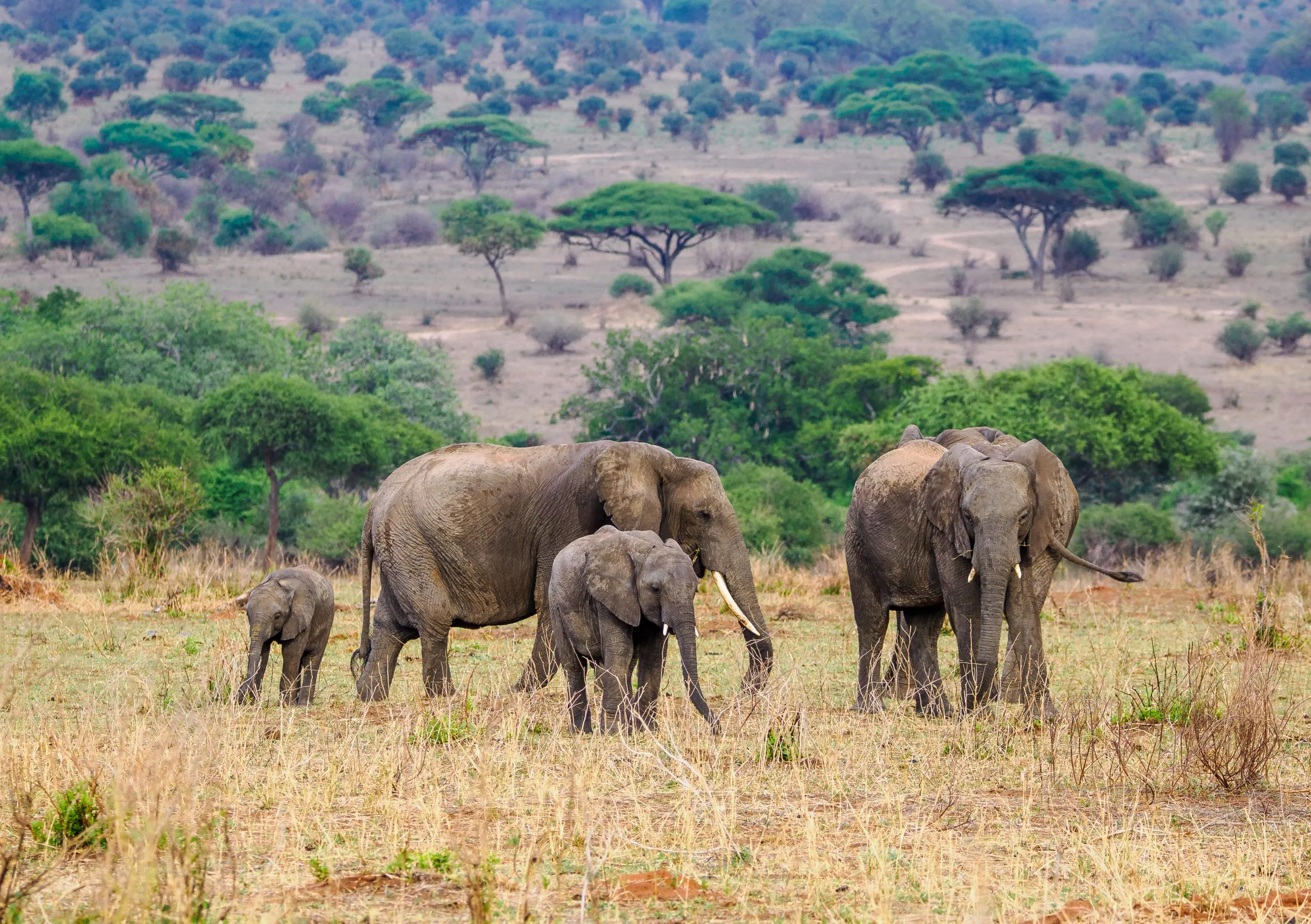
In areas like the Serengeti plains or the Ngorongoro Crater floor, you might regularly spot lions, elephants, zebras, and buffalo. It can sound pretty intense at first, though. The thing is, animals are usually used to safari vehicles by now, and they don’t really treat them like a threat or something to hunt. The safari vehicle becomes a sort of protective shield, and the guides are trained to “read” animal behavior and keep the right safe stance the whole time.
For kids, that means the safari feels loud and thrilling visually, but it’s still physically secure. Still, safety isn’t only about animals. It also covers road conditions, vehicle standards, and how everyone behaves during the shared tour, so the trip stays smooth for the whole group.
The Role of Professional Guides in Family Safety
One of the strongest safety factors in Tanzanian group safaris is the fact that there are experienced driver guides around. These people aren’t only drivers, but they also get trained in wildlife behavior, first aid, direction finding, and emergency handling. So their job is basically making sure the whole group, including the kids, stays safe, from morning till the very end of the journey.
In family situations, good guides usually change the tempo of the safari. Like, they can reduce game viewing time when the children start getting tired, pick easier places to watch the animals from, or just add more rest stops. And in the best organized safari operations, the guides also keep an eye on group energy, so that families don’t end up feeling overtaxed by more daring or overly demanding guests.
Vehicle Safety and Comfort Considerations
Safari vehicles in Tanzania are mostly tweaked 4×4 Land Cruisers, made really for rough ground, so you know, that kind of driving. They’re set up to manage long stretches across broken and uneven roads, including that dusty stretch of the Serengeti and the steep drop-offs heading into the Ngorongoro Crater.
When you travel with kids, the seating setup starts to matter a lot. On group safaris, there can be less room, because several travelers end up sharing the same vehicle. That’s where “comfort” turns into this not-so-far sibling of safety, I mean, it’s safety adjacent. Little children who get restless or tired during long sits might feel that the extended game drives are difficult, especially if the road is bouncy, or if wildlife watching means you’re parked for long minutes in one spot.
Health, Distance, and Practical Safety Factors
Health considerations are also part of the whole safety equation, like it or not. Most safari areas are remote, and if something happens, medical facilities aren’t close or easily reached inside national parks. That doesn’t automatically mean a safari is unsafe, but it does underline why preparation matters so much. For families, people are usually told to bring basic medicines, drink enough water, and make sure children are properly shielded from sun exposure
Another issue to factor in, in certain safari regions, is malaria risk. So travel health professionals often recommend preventive steps before you go to Tanzania. This isn’t exclusive to group safaris, obviously, but it’s still a key part of safety planning for families overall
When Group Safaris Work Best for Families
Group safaris in Tanzania usually work out best for families when the kids are a little older, like above early childhood, and they can manage longer drives plus a bit more structured timing. In places such as Serengeti National Park, the thrill of spotting elephants, giraffes, and lions right in their natural home often wins over the usual hassle of travel duration.
Families who like shared moments and can stay flexible with group routines tend to feel that these safaris are both secure and really worth it. You also get that extra confidence from professional guides, solid safari vehicles that are kept in good shape, and the established tourism setup that is already in place.
Still, if you have very young children, or you know you will need constant flexibility, then private safaris might feel more laid back and easy on everyone’s day.
Perspective on Safety for Families
Tanzania group safaris are usually safe for families, especially if you have young kids, as long as it’s booked with a reputable operator, and it takes place inside the well-known national parks. There’s a certain rhythm to it too—trained guides, wildlife rules that are actually followed, and safari vehicles made for the ride, all of that together makes the whole thing feel far more controlled and secure than people might first imagine.
But honestly, the real issue isn’t so much the danger part; it’s more about how comfortable everyone is, how the days are paced, and how much flexibility you get. Yes, the Serengeti style wilderness is naturally adventurous, yet it’s not exactly chaos or “anything goes”. It’s tourism that’s been managed for years, maybe decades, and it has grown into what it is today, specifically to receive international visitors, including families with toddlers and older children.
So, for parents thinking about this kind of trip, the trick is lining up expectations with the group travel structure. Once that balance fits, a group safari can turn into more than just a safe outing for children; it can be one of those first big nature and wildlife moments they’ll remember for a long time.

Talk to us
- Email:
- Phone line:
- Whatsapp: