

How Far In Advance Should You Book A Tanzania Group Safari
How Far in Advance Should You Book a Tanzania Group Safari?
Trying to plan a group safari in Tanzania isn’t the kind of thing that really fits a last-minute timeline. Unlike a quick city break, safaris rely on logistics that are sort of deeply tied to the wildlife calendar, local lodging limits, and park rules. Places like Tanzania, and of course, famous wildlife spots such as Serengeti National Park, get steady international interest year-round, so availability can move around fast once you pick a travel window.
On top of that, group safaris create this extra level of coordination. You’re not just lining up your own dates; you also need to line up other travelers who will be on the same journey. Because of that shared format, timing becomes more critical than it is for solo or private safaris. If you start earlier, you typically get more wiggle room to lock in your preferred routes, choose the kind of accommodation you want, and even match with the other travel companions who fit what you’re expecting.
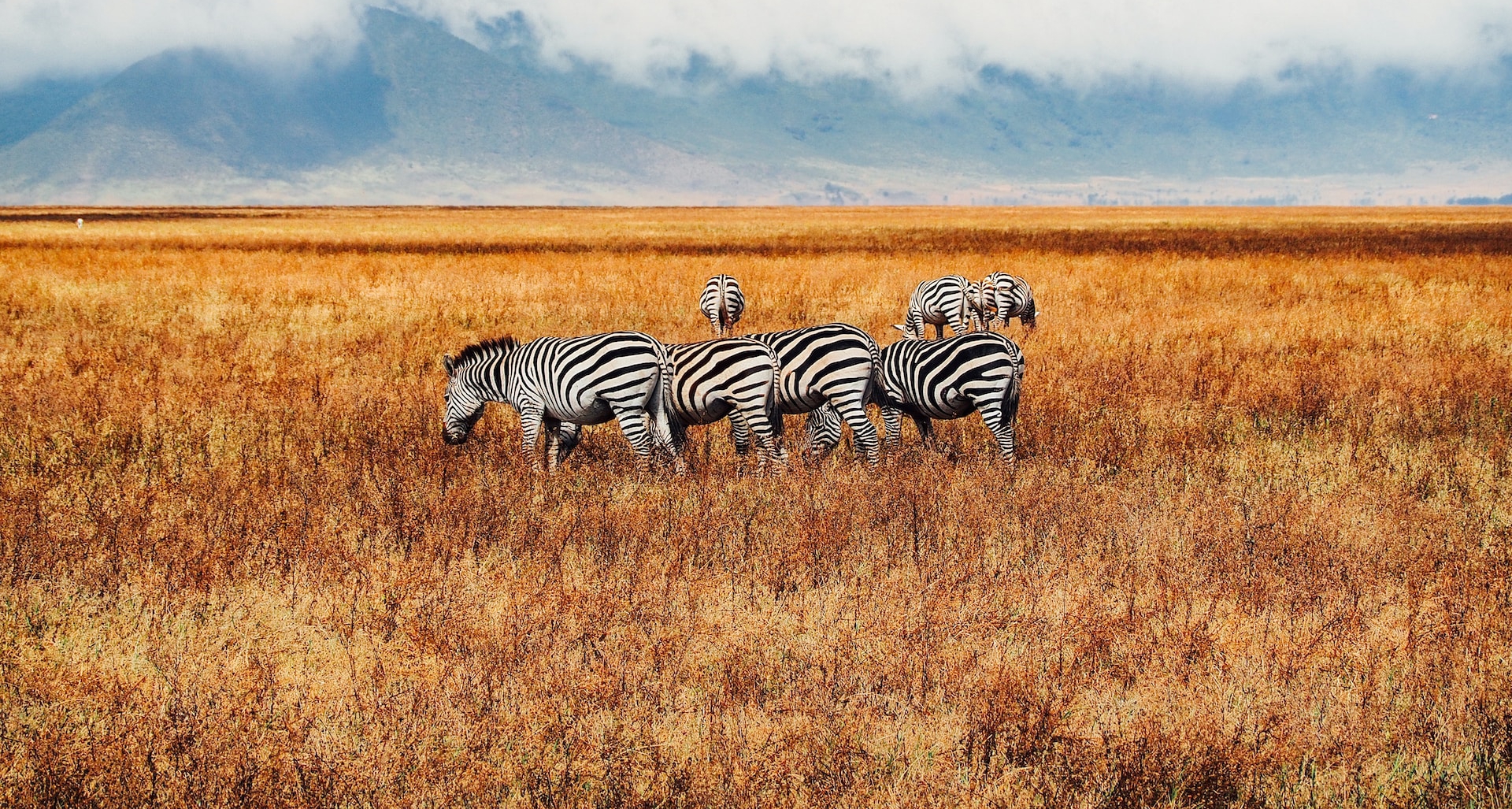
Why Booking Early Matters More Than Most Travelers Expect
One of the biggest factors is whether accommodation is even available. Lodges and tented camps that are inside or pretty close to the major parks tend to have a limited capacity, by design. Sure, it helps keep the ecosystem protected, but it also means that when rooms are taken, they’re basically gone. Even in wider regions like the Ngorongoro side, people call it the Ngorongoro Conservation Area. Things can fill up fast during the peak wildlife migration months, you know, the ones everyone wants to see.
Another reason that comes up a lot is vehicle allocation. Group safaris usually depend on shared safari vehicles. These vehicles are often tailored for game viewing too, which is nice, but they’re still booked out ahead of time by tour operators. So if someone comes at the last minute, they might have fewer seats left, or they get stuck with a less ideal setup.
Permits and overall park entry planning also matter. Tanzania’s parks generally don’t run on the kind of super strict individual permit quotas you see with gorilla trekking; still, there’s coordination needed. When a group gets formed early, operators can lock in easier park entry timing, better guides, and a more tuned itinerary.
Seasonal Demand and How It Shapes Booking Windows
Tanzania’s safari calendar is kinda shaped by natural cycles more than those fixed tourism seasons, yet traveler demand still ends up following pretty predictable rhythms. Most people seem to want the best time, typically when it’s dry out, because wildlife spotting is simpler and the animals end up with more concentrated movements.
In those busier stretches, especially if folks are traveling to catch big wildlife moments across the Serengeti ecosystem, lodging can get totally booked almost a year early. This is very true for Serengeti National Park, where migration-themed visits pull in worldwide attention, and it feels like everyone wants the same dates.
Then you’ve got the shoulder seasons, which usually give a bit more wiggle room, but honestly, group safari trips are often planned months in advance anyway. Operators like to lock in numbers early, since they’ll need to confirm the size of the group before anything else. The low season, with greener scenery and fewer crowds, might sound like the most flexible option; even then, organized group safaris tend to require early coordination. Transport timings and guide availability are limited, so it’s not as spontaneous as it looks at first glance.
Typical Booking Timeframes That Actually Work in Practice
During the super busy travel stretches, like those mid-year moving months, or the late year holiday season, the top end of that range starts to feel more believable. In fact, some travelers go as far as thinking 18 months ahead, not just “soon”, when they want very particular lodge styles, or those locked-in departure days that can’t really shift.
Even so, shorter timelines can absolutely happen, especially when it’s less packed. But there are usually trade-offs. You might see a smaller set of lodge choices, and routing between the parks can get less ideal. There may also be fewer departure dates available to pick from. Occasionally, a last-minute group safari works out just fine, though it mostly relies on cancellations showing up, or on having an itinerary that can bend a bit.
The big takeaway is that Tanzania’s safari setup kind of rewards you for deciding early. The sooner you commit, the more say you have in how everything plays out, from the savannah flats to river crossings, and across the volcanic scenery that really gives the whole area its character.
What Happens When You Book Too Late
Late booking doesn’t really mean you’ll miss it altogether, but it does end up chopping down your choices quite a bit. One of the first real limitations travelers notice is reduced availability in lodges that are actually well located. In many cases, properties around high-traffic wildlife corridors are the first to fill, so you kind of see the window closing faster than you expect.
Then there’s the whole group matching thing. Because group safaris are built around shared dates, a late decision can nudge you toward departure times that are less ideal or even into groups that don’t fully match how you like to travel. It sounds subtle, but it can change the feel of the trip, especially if you were quietly expecting a specific rhythm or a certain comfort level.
And route flexibility takes a hit too. Safari operators set up group trips with efficiency in mind, so the travel distances between parks stay manageable. When you book later, the itinerary can become a lot more rigid, since it has to slot into already planned group structures rather than your custom preferences.
How Group Safari Operators Build and Organize Departures
Once the dates are locked in, the stays along the route are reserved in blocks, like pre-set allotments. This is where early booking really matters, because lodges and camps usually let out only a limited amount of rooms for those group allocations. Once that particular limit is hit, the situation kind of flips to private bookings instead, and those are often pricier, or they don’t always mesh as well with the group timings and schedules.
Then comes the vehicle planning stage, where safari trucks are assigned according to the finalized group sizes. The goal is simple: every traveler gets a designated seat, with decent viewing access for the wildlife moments. After that, seasoned guides are assigned too, based on language preference, how complex the route is, and how the group is built in terms of composition.
Practical Expectations When Planning Ahead
When you plan kind of early for a group safari in Tanzania, the whole process usually feels smoother, a bit more… guided. Like you get extra time to look over the itineraries, map out the park sequences, and quietly steel your mind for those long travel days across changing scenery that feels different every hour.
Also, early planning lets you sync the safari with the larger travel vibe. A lot of people mix wildlife viewing with coastal downtime in Zanzibar, or they add cultural visits in northern Tanzania, but those pairings need careful timing, so you do not end up jumping from one thing to the next in a panic or with zero breathing space.
By the time the trip actually starts, the pace feels more even. Everything is already booked and set, so instead of reacting to tight availability, you simply flow through a more solid plan, where each day connects naturally to the one before it.

Talk to us
- Email:
- Phone line:
- Whatsapp: