

What Is The difference Between Budget, Mid-Range and Luxury Group Safaris
What Is the Difference Between Budget, Mid-Range, and Luxury Group Safaris
Understanding How Safari Categories Are Defined
Group safaris in East Africa tend to be arranged around three big comfort and pricing rungs: budget, mid-range, and luxury. Of course, it’s not only about what you pay, but it’s also more like how the whole trip is quietly put together, from where you sleep (the lodging vibe) and how steady the transport feels, to the standard of guiding, how the meals are handled, and how “private” or exclusive the moments feel once you’re out on a drive.
In places like Tanzania and Uganda, group safaris are designed so that different kinds of travellers can share the same vehicle and itinerary, but still get to see those well-known wildlife gems, like Serengeti, Ngorongoro Crater, or Queen Elizabeth National Park. The real split between the three tiers is basically the extra convenience, privacy, and comfort that get layered onto the safari base, which is still the actual wildlife viewing part.
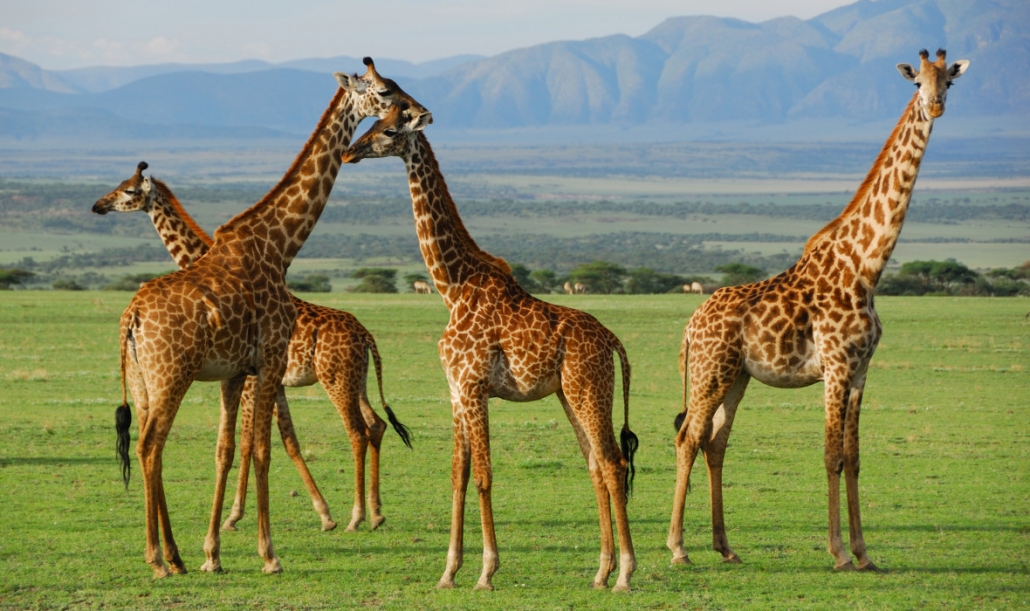
What Defines a Budget Group Safari Experience
A budget group safari is made for travellers who want to see wildlife in a very direct way, while trying to keep costs as low as possible. The idea is mostly shared logistics and the essentials, not that cozy luxury comfort. Lodging is usually in basic lodges or tented camps, and sometimes public campsites, depending on where you go and how the route is set.
Food is often kept simple, served via set menus or buffet style, with not much room for special requests or personal tweaks. And the main moment is still the game drives, guided by experienced drivers, though the itinerary flexibility may be less, so you may not change plans as easily as in other options.
Food is often kept simple, served via set menus or buffet style, with not much room for special requests or personal tweaks. And the main moment is still the game drives, guided by experienced drivers, though the itinerary flexibility may be less, so you may not change plans as easily as in other options.
What to Expect from a Mid-Range Group Safari
Mid-range group safaris kind of hit that sweet spot between being affordable and feeling comfortable, so they’re one of the go-to picks for travellers who want things smoother, more relaxed, and not quite at the luxury pricing level. In general, the accommodation is noticeably upgraded, with well-furnished tented camps or comfortable lodges that come with private bathrooms, plus better bedding and nicer surroundings overall.
When it comes to movement, transport is still shared in a group vehicle, but somehow there’s usually more care about spacing, vehicle condition, and overall comfort during those longer drives. The guiding side also feels a bit more polished, with professional guides who can go into deeper explanations about animal behaviour, local landscapes, and even the cultural backdrop.
Food on mid-range safaris tends to be more varied and better handled, too. You often get fresh ingredients and a wider spread of dishes, and some lodges might even include à la carte choices or dining times that feel less rigid than the budget-style setups. Sure, travellers are still together for the trip, but there’s often a better rhythm between chatting with others and having a bit of personal breathing room.
What Makes Luxury Group Safaris Different
Luxury group safaris tend to lift the whole experience by leaning into exclusivity, cozy comfort, and a service that’s very tailored to you. Even if you’re technically moving along with a group itinerary, the feel is different, because the accommodation standard and the attention are noticeably higher. Many lodges sit right in the top wildlife areas, so you can watch everything from wide panoramic vistas, relax on private verandas, and move through interiors that look made for comfort yet still flow with the natural surroundings.
In these luxury setups, rooms usually feel roomy, like actual suites or even high-end tented villas, complete with premium amenities. The small things matter a lot, from top-tier linens that actually feel great to private meal moments and safari activities that are curated just for your interests. Even the vehicles used for drives are often more comfortable, and sometimes there are fewer passengers, so the viewing angles stay smoother, and the whole ride feels less crowded during game drives.
Food is another big win in luxury safaris. It’s commonly prepared by professional chefs, and it arrives across multiple courses, not just a quick plate and go. Meals may happen in striking outdoor spots where the scenery is right there with you or in refined lodge restaurants, and most dietary preferences are handled with care, pretty much without drama.
Key Differences Between Budget, Mid-Range, and Luxury Safaris
When you look at the differences between these safari categories through the lens of comfort, privacy, service quality, and travel flexibility, it starts to feel a lot more obvious, though not always right away. Budget safaris lean hard on affordability and shared moments, mid-range safaris try to thread the needle between comfort and cost efficiency, and luxury safaris really home in on exclusivity, plus a more polished, premium style of service.
Where you sleep is probably the clearest giveaway. Budget accommodation tends to stay simple and functional, mid-range usually adds genuine comfort with more private facilities, and luxury is where you find high-end lodges, premium amenities, and that kind of scenic positioning you notice even before you unpack. Transport follows a similar pattern, too. In the budget bracket, it often means fully shared and fairly basic arrangements, then in mid-range and luxury, you get something more spacious, more comfortable, and frankly less “tight” day to day.
Food and service also creep upward as the category rises. Budget safaris can be decent, but luxury safaris tend to deliver tailored dining experiences and very attentive staff, like someone actually anticipated what you’d want before you did. The overall pace changes as well. Budget safaris stick to stricter timetables. Luxury safaris, on the other hand, allow more flexibility and personalisation based on wildlife sightings, and on what each guest seems to prefer, even if it messes with the plan a little.
Choosing the Right Safari Style for Your Journey
Choosing between a budget, mid-range, and luxury group safari really comes down to what you personally expect, what you’re trying to do on the trip, and how much comfort you want day to day. If you are the type who’s into wildlife photography, adrenaline activities, and keeping things affordable, then a budget option can be enough—especially if your goal is to reach the big national parks and catch the migrations as they move through. On the other hand, travellers who want a smoother middle ground between costs and memories often lean toward mid-range, because it usually means nicer stays and attentive service, but without the kind of price spike that feels excessive.
Luxury safaris, meanwhile, tend to fit people who care most about ease, exclusivity, and a very “carefully designed” itinerary, so yeah, it can be perfect for honeymoons, milestone celebrations, or anyone who wants to move through Africa with very little trade-off on comfort.
In the end, all three categories still open the door to astonishing wildlife encounters, from lions drifting across the open ground to elephants stepping through wide savannah stretches. The core difference isn’t so much about what you’ll see, more about the feel of it, how you unwind at night, and how tailored your whole journey seems from first day to last.

Talk to us
- Email:
- Phone line:
- Whatsapp: