

Tanzania Group Safari Packing List
Tanzania Group Safari Packing List: Everything You Actually Need
Packing for a Tanzania group safari is where most people overdo it. You look at the trip, imagine different outfits for every park, different shoes for every activity, and a “backup for everything” approach.
Then you arrive in places like Serengeti National Park and realize something very simple: you live in the same few clothes, you sit in a vehicle for long hours, and the biggest comfort comes from small practical things, not extra stuff.
This list is built around how safari days actually feel when you are there.
Clothes you will keep repeating
Safari life does not need variety. It needs repeatable comfort.
Most days follow the same pattern. You wake up early, it is cold. You drive for hours, it gets hot. You return late, it cools down again. That cycle repeats.
Light long-sleeve shirts are what you end up reaching for most. They protect your arms from sun, dust, and scratches when you lean out for photos.
Trousers should feel easy when you sit for long hours. Jeans look fine in photos but become uncomfortable after a few days in heat and dust.
Inside Serengeti National Park, you will notice something quickly: nobody is changing outfits for fashion. Everyone is dressing for survival comfort.
Most people end up wearing the same two or three outfits the entire trip. That is completely normal.
The morning cold surprises almost everyone
People expect Africa to be hot all the time. That is not how safari mornings feel.
Early drives, especially in open vehicles, can feel genuinely cold. In places like Ngorongoro Crater, it can feel even colder because of elevation.
A light jacket or fleece is enough. You wear it early morning, then remove it when the sun rises, then put it back on in the evening.
It is not about heavy clothing. It is about having one piece you trust every day.
Shoes: simple wins
You do not need special safari shoes. You need shoes that do not hurt after long sitting and short walks.
Most of your time is inside the vehicle. So comfort matters more than performance.
Simple sneakers or walking shoes are enough for most people.
If your trip includes walking sections or crater visits inside Ngorongoro Crater, then choose something with grip.
The real mistake people make is bringing brand-new shoes. After one dusty day, your feet will tell you everything about that decision.
Sun is stronger than it feels
The sun does not feel aggressive at first. Then you sit outside for hours and realize how strong it actually is.
A cap or hat becomes part of your daily routine. Sunglasses stop the constant squinting during long drives.
Sunscreen matters more than people expect, especially in open areas of Serengeti National Park where shade is rare during midday drives.
You do not feel it immediately. You feel it at the end of the day.
Dust becomes part of your day
Safari roads are dry. Vehicles move in groups. Wind carries dust constantly.
At some point, you stop fighting it and just manage it.
A simple scarf or buff becomes one of the most used items you carry. You pull it up when vehicles pass or when wind picks up dust.
It is not stylish. It is practical comfort.
Inside Serengeti National Park, dust is something you accept early. It becomes part of the experience, not a problem.
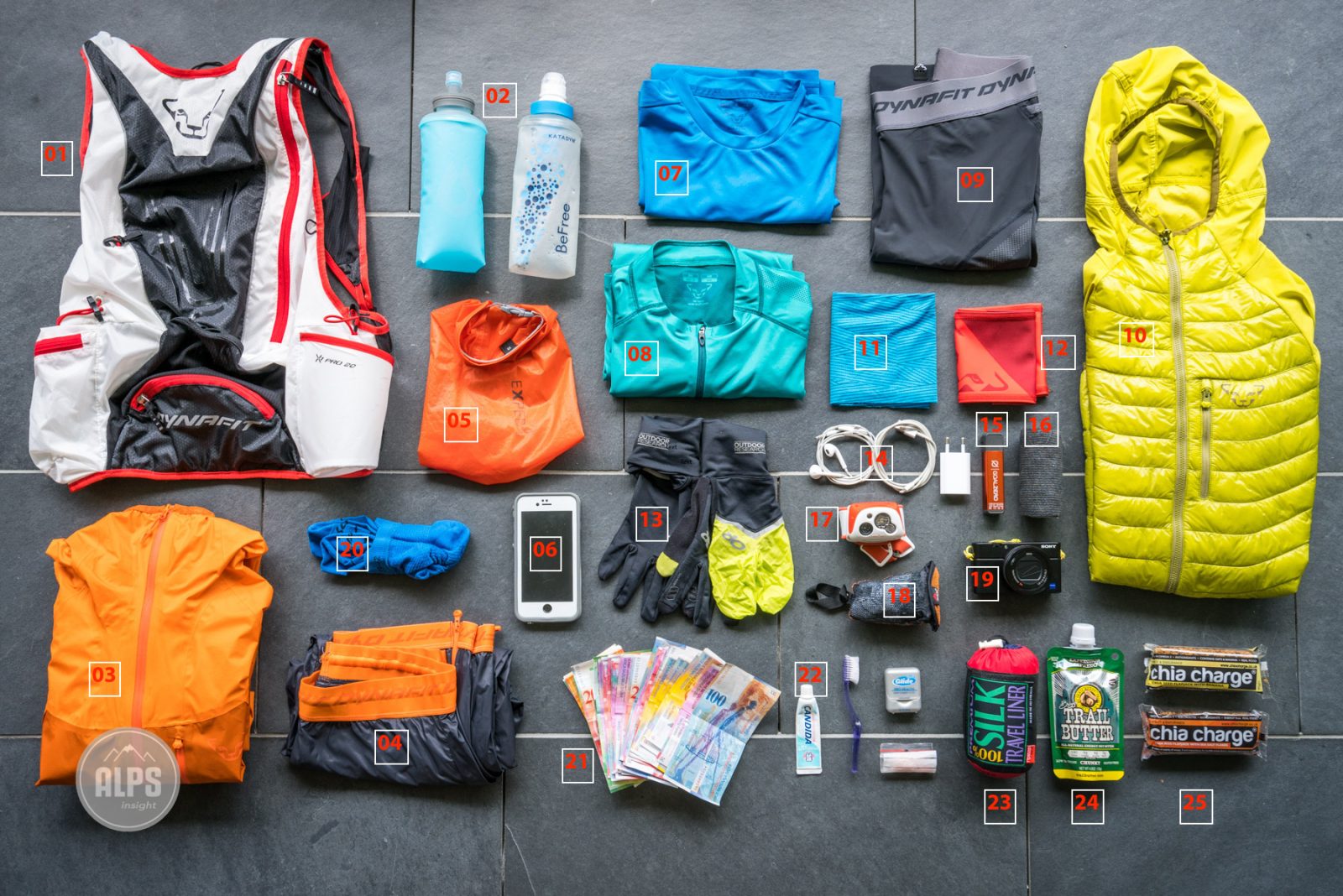
Your daypack is your survival kit for long drives
You will spend many hours in one vehicle. That is your base for the day.
Water is the most important thing you carry. You will drink more than expected because of heat, dust, and long sitting hours.
Small snacks help during long stretches when lunch feels far away.
Your phone or camera should always be within reach. Wildlife moments do not give warnings.
Wipes or tissue become surprisingly important after dusty stops or long drives.
Inside Serengeti National Park, there are days when you do not return to a lodge until late. Everything you need should stay with you.
Rain protection that you barely think about until you need it
Even in dry seasons, rain can appear quickly.
A light waterproof jacket is enough. A poncho is a simple backup that covers both you and your bag.
You do not need heavy rain gear. Rain usually comes, passes, and leaves quickly.
In open spaces like Ngorongoro Crater, weather can change faster than expected. Having something light in your bag is enough.
Health basics that quietly matter
You do not need a medical kit. You need a few small things that prevent discomfort.
Insect repellent is useful in the evenings. Long drives can cause headaches or body stiffness, so simple pain relief tablets help.
Hand sanitizer becomes part of your routine because meals often happen on the move.
If you use medication, keep it in your daypack, not in your suitcase. Safari days are long and unpredictable.
These are small things, but they make your trip smoother without you noticing.
Electronics and charging reality
Charging is not always available during the day, especially in remote regions.
A power bank keeps your phone alive during long game drives.
A universal adapter is needed at lodges.
Extra storage is important because you will take more photos than planned. Wildlife moments happen fast, and you do not get repeats.
Dust protection for devices helps a lot in open areas like Serengeti National Park.
Luggage that makes life easier
Soft duffel bags are better than hard suitcases.
They fit more easily into safari vehicles and are easier to move between camps.
You will load and unload your bag multiple times during the trip, so simple luggage makes the whole group move faster and smoother.
This becomes very noticeable on long routes across parks.
What people bring but never use
Almost everyone overpacks the same way.
Extra outfits that never leave the bag. Formal clothes that never get worn. Extra shoes that stay untouched. Heavy jackets that feel unnecessary after the first few days.
The reality is simple. You rotate a small set of clothes and repeat them.
Safari life is not about variety. It is about repetition that works.
Thought
Packing for a Tanzania group safari is not about being ready for everything. It is about being comfortable in long, simple, repeated days.
From Arusha into open landscapes like Serengeti National Park and concentrated wildlife areas like Ngorongoro Crater, your routine stays the same: early wake-up, long drive, quiet watching, short moments of wildlife, and rest.
If your packing supports that rhythm without stress, you are already properly prepared.

Talk to us
- Email:
- Phone line:
- Whatsapp: