

Is Flash Photography Allowed Around Mountain Gorillas?
Is Flash Photography Allowed Around Mountain Gorillas?
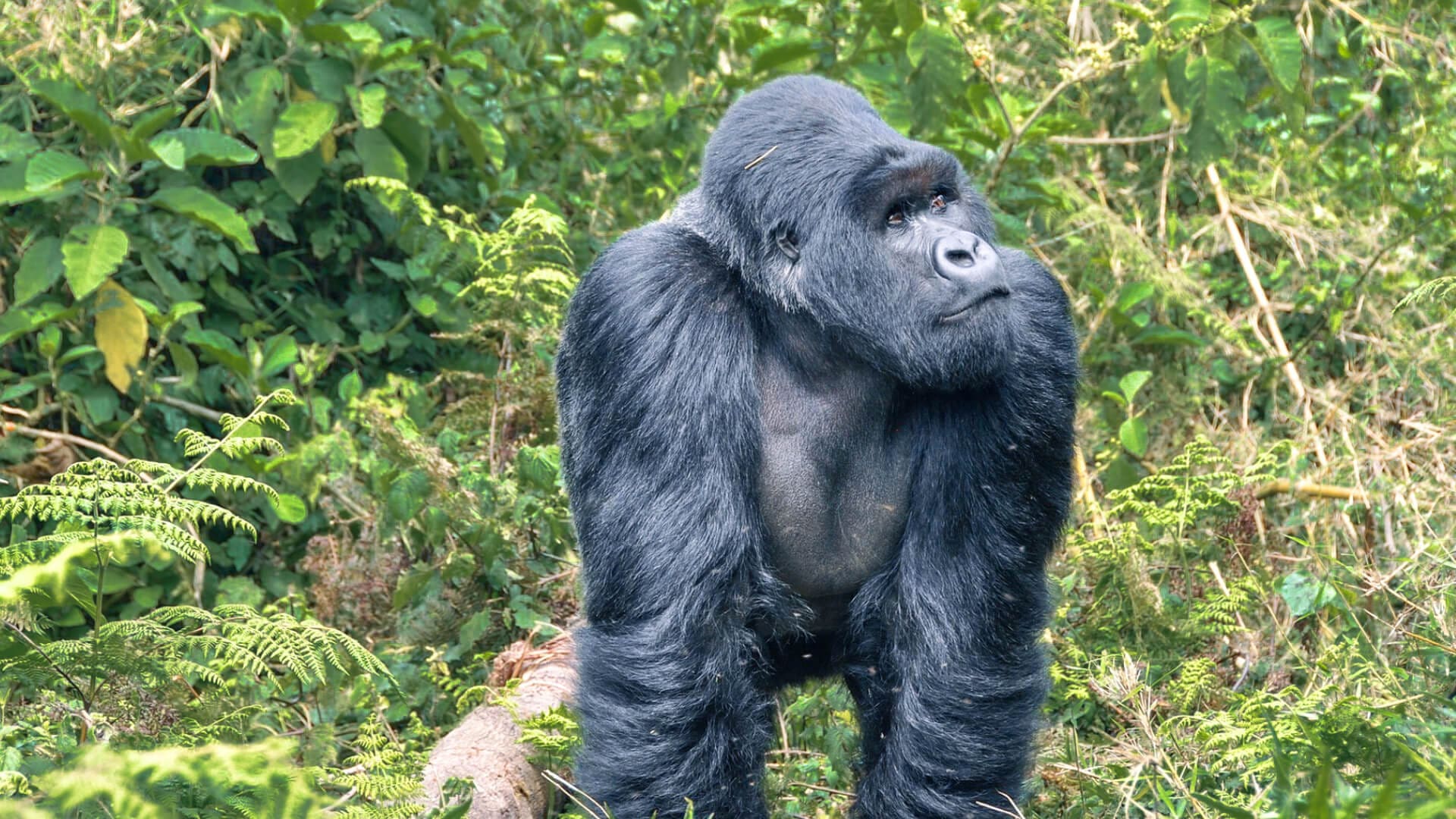
You’ve saved up. You’ve dreamed about this for years. And now you’re standing in a damp, green forest, heart pounding, because twenty feet away a 400-pound silverback is casually chewing a bamboo shoot. Your hand shakes as you reach for your camera. And then the guide whispers, “No flash.” That’s the moment most people forget to prepare for. So let’s just get this out of the way right now: is flash photography allowed around mountain gorillas? Absolutely not. Never. Not even if you think you’ll be quick about it. The rule exists because a sudden burst of light can panic a gorilla, break the calm we’ve worked decades to build, and frankly, it’s just rude. You wouldn’t flash a flashlight in a stranger’s eyes at dinner. Same idea.
What It Actually Feels Like to Trek
Here’s thetruth: the trek is harder than the brochures make it look. You’ll slip in mud. You’ll get scratched by stinging nettles. You might cry a little out of frustration or exhaustion—I’ve seen it happen. But then a guide points to a broken branch and says, “They passed here ten minutes ago,” and suddenly you forget your legs hurt. The gorillas don’t perform. They don’t pose. They eat, nap, pick bugs off each other, and occasionally a baby will roll down a hill just because it’s funny. You get one hour. One hour to sit in their world, on their terms. And that hour will rearrange something inside you.
Other Animals That Might Steal Your Attention
You came for the gorillas, sure. But keep your eyes open. Golden monkeys are absolute show-offs—they’ll somersault through bamboo right over your head. Forest buffalo look like grumpy old men with too much hair. And if you’re really lucky, you might spot an elephant. Not the savannah kind; these are smaller, shyer, and they move through the trees like ghosts. Birds, too. One called the great blue turaco has wings the color of a sunset you’d swear was photoshopped. The point is, the forest is crowded. You just have to slow down enough to notice. And no, the flash rule applies to all of them. Nobody likes a surprise paparazzi.
The People Who Make the Trip Unforgettable
You’ll stay in lodges run by local families. Your guides grew up in these hills. One evening, a Batwa elder might walk you through the forest and show you which leaves stop bleeding, which vines hold drinking water, and how his people lived here long before it was a park. He won’t act sad or dramatic. He’ll just point at a tree and say, “My grandfather slept under that one.” You’ll share tea with women who stitch baskets while watching their kids chase chickens. They’ll ask about your home like you’re interesting. And somewhere in that conversation, you’ll realize the gorillas aren’t the only ones protecting a way of life. This trip changes locals and visitors alike—if you let it.
When to Go (So You Don’t Drown or Slip Off a Mountain)
June through September is your sweet spot. Dry ground, clearish skies, and the gorillas tend to stay lower on the slopes. December through February works too, though it’s a little busier with holiday travelers. Avoid March to May and October to November if you hate leeches. Because I promise you, the leeches come out in the rain. That said, some people actually prefer the wet season—fewer tourists, cheaper permits, and the forest looks impossibly green. Just pack waterproof boots and a sense of humor. Also, remember that is flash photography allowed around mountain gorillas? No. So practice shooting in low, natural light before you go. A monopod will save your arms. Flash won’t save your photos.
Where You’ll Sleep
If you want to feel like a million bucks, book Bisate Lodge in Rwanda. It looks like a woven spaceship landed on a volcano. Fireplaces. Giant beds. Staff who remember how you take your coffee. More budget-friendly? Try Ruhija Gorilla Camp in Uganda. It’s basic in the best way—wooden bunks, shared bathrooms, and a porch where you can watch mist roll through the valley at sunrise. Mid-range options like Clouds Lodge sit somewhere in between: hot showers, good food, and guides who will sit with you the night before and calm your nerves. Every single lodge will give you the same briefing before your trek. And part of that briefing will be someone kindly but firmly explaining is flash photography is allowed around mountain gorillas? Nope. They’ll also teach you to cough softly instead of sneeze, to avoid direct eye contact, and to stay seven meters back. Simple stuff. It works.
You’re going to take terrible photos. I’m serious. The light is low, the gorillas move fast, and you’ll be too busy crying to hold the camera steady. But that’s fine. Because the real souvenir isn’t a picture—it’s the feeling of being accepted, for one hour, into a family that owes you nothing. No flash, no filters, no rush. Just you, the mist, and a silverback who yawns like your uncle after Thanksgiving dinner. So go. Save your money. Train your legs. And when someone asks you later is flash photography allowed around mountain gorillas? , you can smile and say, “No. And that’s exactly why it works.”

Talk to us
- Email:
- Phone line:
- Whatsapp: