

How Many National Parks Are There in Tanzania?
How Many National Parks Are There in Tanzania?
You ever catch yourself just… drifting off? Maybe you’re scrolling through photos of wide African sunsets, or watching a nature documentary on a lazy Sunday. And suddenly you think, Wow, what would it actually be like to go on safari? And then—because your brain works like mine—you wonder, Wait… how many national parks does Tanzania even have?
So here’s the thing about Tanzania. It’s one of those places that gets under your skin before you even go. People fly in from everywhere—Japan, Brazil, Germany, you name it—because they’ve heard about the wildlife, the landscapes, the cultures. And it’s all true. Picture this: endless plains that make you feel tiny in the best way. Or standing at the foot of Mount Kilimanjaro, craning your neck back, feeling like an ant next to a giant. Tanzania is absolutely packed with some of the most beautiful protected land on Earth.
Okay, so let me just give you the answer straight: Tanzania has 22 national parks. The Tanzania National Parks Authority takes care of them all. And together, these parks protect huge, wild ecosystems where millions of animals roam free, hundreds of birds nest, and some of Africa’s most famous natural wonders stay safe for your kids and grandkids to see someday.
Once you understand how these parks are spread out, it gets so much easier to figure out where you want to go—and why so many people say Tanzania is one of the best wildlife spots on the planet.
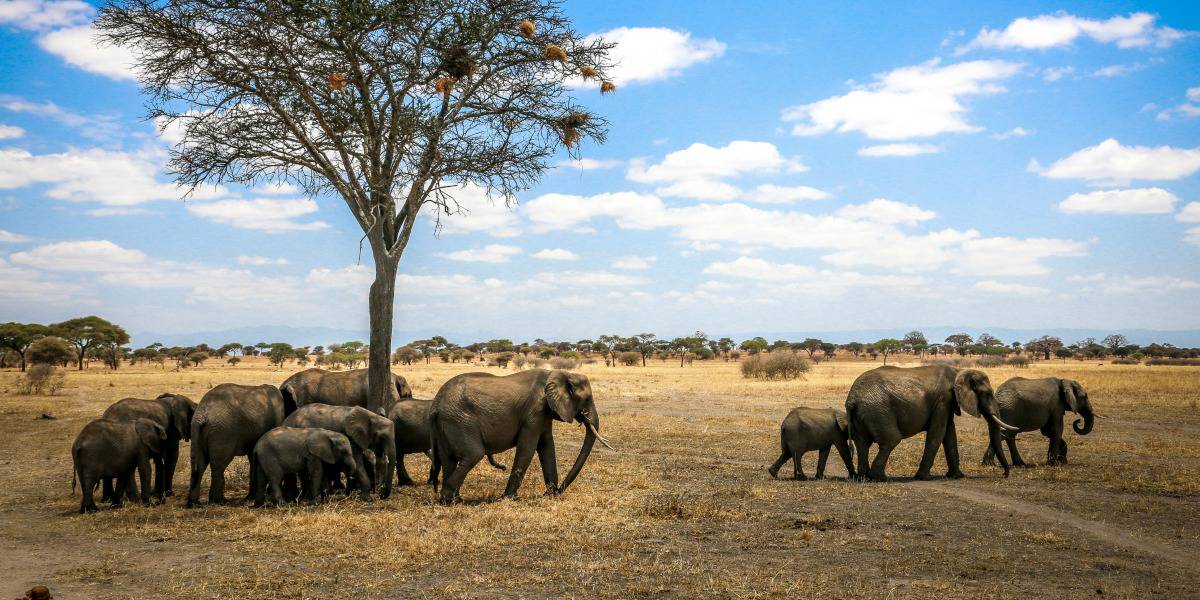
What these parks are really like
We’re talking thousands of square kilometres here. And the variety is wild. You’ve got grassy savannahs, misty mountain forests, wetlands, lakes, coastal mangroves, and even tropical rainforests.
What makes Tanzania different from a lot of places is how much land they’ve chosen to protect. In some countries, wildlife gets squeezed into tiny reserves, fenced in, and managed like a zoo. Not here. Tanzania lets animals breathe. Let’s them move. Those ancient migration routes? Still open. Still wild.
And here’s my favorite part: every park has its own personality. Some are superstar famous—busy, buzzing, incredible. Others are quiet and remote, the kind of place where you might drive for hours and see nobody except a herd of elephants and a few curious giraffes. Both are magic. Just different kinds.
The full list
Northern Tanzania
Serengeti, Tarangire, Lake Manyara, Arusha, Mount Kilimanjaro, Mkomazi
Quick note: You’ll hear a lot about Ngorongoro Crater on northern safari trips. It’s breathtaking—but it’s actually a conservation area, not a national park. Still worth it, though. So worth it.
Southern Tanzania
Nyerere, Mikumi, Ruaha, Udzungwa Mountains, Kitulo
Western Tanzania
Katavi, Mahale Mountains, Gombe, Saanane
Lesser‑known & emerging parks
Saadani, Rubondo Island, Burigi‑Chato, Ibanda‑Kyerwa, Rumanyika‑Karagwe, Ugalla River
See what I mean? This country is ridiculous in the best way.
Okay, but which park is the most famous?
No contest. It’s the Serengeti.
You’ve heard of it, right? Of course you have. The Serengeti is world‑famous for one big, thundering reason: the Great Migration. Every single year, more than a million wildebeest—plus zebras and gazelles—get up and move. They cross rivers crawling with crocodiles. They dodge lions and hyenas. They just keep going, following the rain, looking for fresh grass. It’s one of the greatest wildlife shows on Earth.
And on a normal day in the Serengeti? You’ll see lions lounging in the shade, cheetahs sprinting across the plains, leopards hiding in trees, elephants kicking up dust, and buffalo staring you down. Those classic safari images you’ve seen in magazines since you were a kid? That’s the Serengeti. It’s the real deal.
And the largest park?
That would be Nyerere National Park.
It used to be part of the old Selous Game Reserve—and it’s enormous. One of the biggest protected wildlife areas in all of Africa. You could lose a small country in there.
Nyerere is famous for huge elephant herds, African wild dogs (which are rare and incredible to see), hippos grunting in the rivers, crocs sunbathing on the banks, and boat safaris along the Rufiji River. But here’s the best part: it’s way less crowded than the northern circuit. You get that deep, quiet, “I’m the only person for a hundred miles” kind of feeling. Pure wilderness.
Best parks for first‑timers
If you’ve never been to Tanzania before, don’t overthink it. Start here:
-
Serengeti – because… It’s the Serengeti. Unreal wildlife, especially the migration.
-
Tarangire – giant baobab trees that look like they’re growing upside down, and elephants everywhere. Like, everywhere.
-
Lake Manyara – gorgeous little park with forests, lakes, flamingos, and those famous tree‑climbing lions. (Yes, lions in trees. It’s as cool as it sounds.)
-
Ngorongoro Conservation Area – a huge volcanic crater that’s basically a natural animal enclosure. The density of wildlife inside there is almost ridiculous.
Most first‑timers string these together into a classic northern Tanzania safari. There’s a reason it’s a classic. It works.
Hidden gems (for when you want to get off the beaten path)
Love the idea of going somewhere most tourists never see? Try these:
-
Ruaha – rugged, wild, and raw. Big predators, big elephants, and almost no crowds. Feels like old‑school Africa.
-
Katavi – one of the most remote safaris on the continent. You’ll see more animals than people. Way more.
-
Mahale Mountains – on the shores of Lake Tanganyika, which looks more like an ocean than a lake. You hike through the jungle to sit with chimpanzees. It’s absolutely magical.
-
Rubondo Island – out on Lake Victoria, quiet and dreamy. Forest walks, birdwatching, and even fishing. A real hidden treasure.
Why does Tanzania have so many parks?
Honestly? Because they care. And because it makes sense.
These parks protect endangered species. They keep migration routes open. They guard the water sources that millions of people and animals depend on. And because tourism brings real money into local communities, people have a real reason to keep wildlife safe—not just for the animals, but for themselves and their kids.
It’s not just idealism. It works.
How to pick the right park for you
Here’s the simple version. Ask yourself what you’re really dreaming about:
-
The Great Migration? → Serengeti.
-
Elephants → Tarangire or Ruaha.
-
Chimpanzees? → Gombe or Mahale.
-
A mountain adventure? → Kilimanjaro National Park.
-
Nobody else for miles? → Katavi or Nyerere.
And hey, most people end up combining a few parks into one trip. That’s the way to do it. You get the greatest hits and the quiet moments.
You started with a simple question: How many national parks does Tanzania have?
Twenty‑two. Twenty‑two incredible, diverse, wild places.
From the world‑famous Serengeti to the quiet, far‑away magic of Katavi and Mahale, there’s a park for every kind of traveller. First safari or fifth. Solo adventure or family trip. Bucket‑list chaser or slow wanderer.
Tanzania’s national parks will give you wildlife, landscapes, and moments you’ll still be smiling about years later. Trust me on that one. You really can’t go wrong.

Talk to us
- Email:
- Phone line:
- Whatsapp: