

Is It Possible to Self-Drive in Tanzanian National Parks?
Is It Possible to Self-Drive in Tanzanian National Parks?
Tanzania is one of those places that just feels like a safari dream. You know the type – endless plains, elephants kicking up dust, lions lazing under acacia trees. Most people assume that to see any of it, you have to sign up for an organised tour with a guide and one of those tricked-out safari jeeps. And hey, that’s what the majority do. But now and then, a traveller stops and thinks: could I just… drive myself?
Well, good news – yes, you actually can self-drive in Tanzanian national parks. But before you start picturing yourself bouncing along like Indiana Jones, let’s be real for a minute. It’s not always easy. There are challenges, a fair bit of responsibility, and some real limits to think about. But if you go in with your eyes open? It can also be one of the most unforgettable things you’ve ever done.
First Things First – Can You Legally Drive There?
Yep. As a foreign visitor, you can drive in Tanzania with a valid licence from home. For a short stay, that’s usually fine, but I’d strongly recommend grabbing an International Driving Permit too – it just smooths things out.
You’ll find rental companies with proper 4x4s built for safari life. We’re talking Toyota Land Cruisers, Hiluxes, that sort of thing – tough beasts designed for rough roads, rocky tracks, and the odd river crossing. Pay your park fees, follow the rules, and you’re generally allowed to drive yourself through designated areas of most national parks.
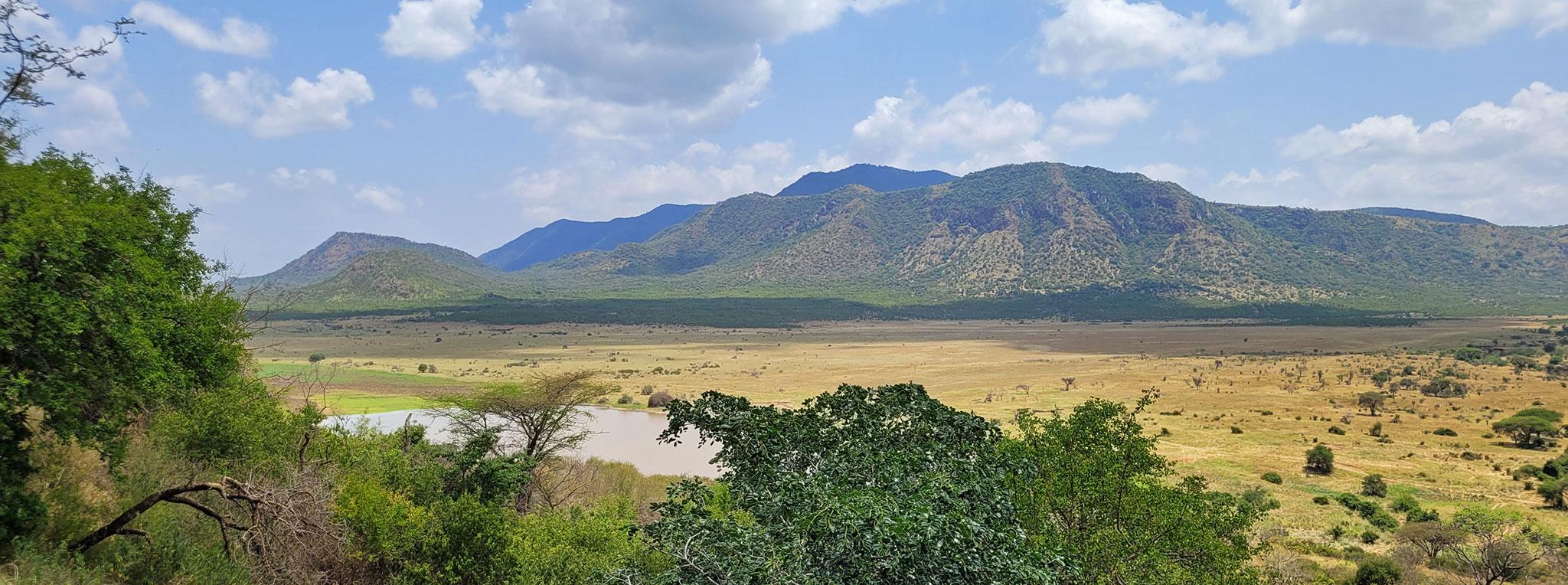
Okay, But Why Does Almost Everyone Take a Guide?
There’s a reason guided safaris are still the gold standard. And it’s not just about being lazy or scared of a bit of dirt.
Guides are something else. They’ve spent years learning how to spot a leopard sleeping in a tree from a mile away, or reading animal tracks you’d walk right over. They chat on the radio with other guides – “There’s a pride of lions near the Kopjes, heads up” – so you’re always where the action is. Plus, they know how to read animal behaviour. When an elephant flicks its ears a certain way, they know to back off.
For most first-timers? That expertise is worth every penny. You’ll see more, stay safer, and learn a ton without even trying.
Which Parks Are Actually Good for Self-Driving?
Not all parks are created equal. Some are a blast to drive yourself. Others… let’s just say you’d better know what you’re doing.
Serengeti National Park
Yes, you can self-drive the Serengeti. And people do it every year. But here’s the truth – it’s massive. Like, really massive. Navigation is tough, roads change with the weather, and GPS isn’t always reliable. Always carry a paper map. Always. The upside? You set your own pace. You can sit and watch a single lion for two hours if you want. And if you time it right, you might catch the Great Migration, which is as mind-blowing as everyone says.
Tarangire National Park
This one’s a favourite for self-drivers. Why? It’s smaller, the roads are more straightforward, and you’ll see elephants, giraffes, zebras – honestly, loads of wildlife. Feels a lot less intimidating than the Serengeti.
Lake Manyara National Park
Another good one for beginners. You can cover most of it in a day, the roads are easy enough to follow, and wildlife sightings are pretty reliable. Perfect if you want to dip your toes in before committing to a longer self-drive.
Ruaha National Park
Right, this one’s for the experienced crowd. Ruaha is wild, remote, and seriously big. The wildlife is incredible – but only go here if you’ve done off-road driving before and you’re comfortable being miles from anywhere.
Nyerere National Park
Formerly part of the Selous. Again, beautiful, remote, and huge. You can self-drive, but you need to be properly prepared – fuel, navigation, emergency gear, the works. This isn’t a “wing it” kind of place.
Let’s Be Honest – What Are the Real Challenges?
I don’t want to scare you off, but you deserve the truth. Self-driving in Tanzania can be tough.
Roads. Oh, the roads. In the dry season, they’re manageable if you’ve got a decent 4×4. But when the rains come? Mud, floods, washouts, deep ruts – it can get nasty. Sometimes roads just disappear.
Getting lost. Most park roads are unpaved and barely signed. GPS helps, but your phone won’t work in most remote areas. Download offline maps. Better yet, bring a paper map as backup. And know your route before you set off.
Getting stuck. It happens. You hit a patch of mud or loose sand, and suddenly you’re not going anywhere. Guided vehicles usually have support nearby. Self-drivers? You might wait hours – or even a day – for help. And recovery trucks aren’t cheap.
Wildlife. This is their home, not yours. Elephants, buffalo, lions – they’re unpredictable. Guides learn how to read them. You’ll be trusting your own gut. And never, ever drive off-road to get closer. That’s how people get hurt.
What Car Do You Actually Need?
A normal saloon car? Forget it. You need a proper 4×4. Think Toyota Land Cruiser, Prado, Hilux, or a Land Rover Defender.
Most rental companies that cater to self-drivers will kit them out with spare tyres, recovery gear, camping equipment, a fridge, roof tent, and a GPS. Just make sure you rent from somewhere reputable – a breakdown in the bush is no joke.
And What About the Cost?
Here’s something that surprises people – self-driving isn’t always cheaper than a guided safari.
You’ve got rental, fuel, park fees, accommodation, permits, insurance, gear… it adds up. If you’re travelling solo or as a couple, a group guided safari can sometimes cost about the same. But if you’re a family or a group of friends sharing one vehicle, self-driving can definitely save you money.
A Few Safety Tips
If you do decide to go for it, please keep these in mind:
-
Stick to the roads. Off-roading is banned in most parks – it damages the environment and stresses out the animals. Plus, you’ll get fined.
-
Pack like you’re expecting trouble. Extra water, extra food, a first-aid kit, spare fuel (where allowed), tyre repair stuff, torches, and a satellite phone or emergency beacon if you can.
-
Don’t drive after dark. Seriously. Animals on the road, no streetlights, rough tracks – it’s a bad idea. Parks also close their gates at sunset, so plan accordingly.
-
Let someone know your plan. Before you head into a remote area, tell a ranger or your accommodation where you’re going and when you expect to be back. If you break down, that simple step could save your life.
Here’s the thing. If you love independence and you’ve got a bit of an adventurous streak? Self-driving can be absolutely incredible. You make your own schedule. You stay as long as you want at a sighting. You’re not following someone else’s timetable. That feeling of bouncing down a dusty track with no one else in sight? It’s pretty special.
But it’s not for everyone. First-time safari-goers almost always get more out of a guided trip – better sightings, less stress, and the peace of mind that comes with someone who really knows what they’re doing.
In the end, only you can decide. Just go in with your eyes open. Plan carefully. Get a good 4×4. Respect the wildlife. And if you do all that? Tanzania will reward you with an adventure you’ll never

Talk to us
- Email:
- Phone line:
- Whatsapp: