

How Safe Are Tanzania’s Roads During the Rainy Season?
How Safe Are Tanzania’s Roads During the Rainy Season?
Are you thinking about a Tanzania Safari in the Rain? Let’s Talk Roads.
Let’s be real—Tanzania is the kind of place that gets under your skin. The Serengeti, Ngorongoro, Tarangire… these names alone spark something magical. But if you’re planning a trip and the calendar shows a rainy month, there’s probably that little voice in your head asking: “Is this a bad idea? Are the roads going to be a nightmare?”
Honestly? You’re not wrong to wonder. But here’s the good news: it’s totally doable. In fact, it can be absolutely wonderful. It just asks a little more of you—a bit of patience, the right wheels, and maybe letting the experts take the lead.
First, Let’s Talk Rainy Seasons (Because They’re Not All the Same)
Tanzania has two wet spells. The big one—the “long rains”—hits from March to May. Think heavy, dramatic downpours that turn the world green but can turn dirt roads into slippery soup. Then there’s the “short rains” from October to December, which are usually lighter, more like quick afternoon bursts that cool the air and move on.
But here’s the kicker: rain doesn’t behave the same way everywhere. Up north, in the classic safari spots like the Serengeti, you’ll hit muddy patches and maybe some flooded crossings. Head down south or out west, and it gets wilder—roads are rougher, distances are bigger, and help feels further away.
Why Do Roads Turn Into a Mess, Anyway?
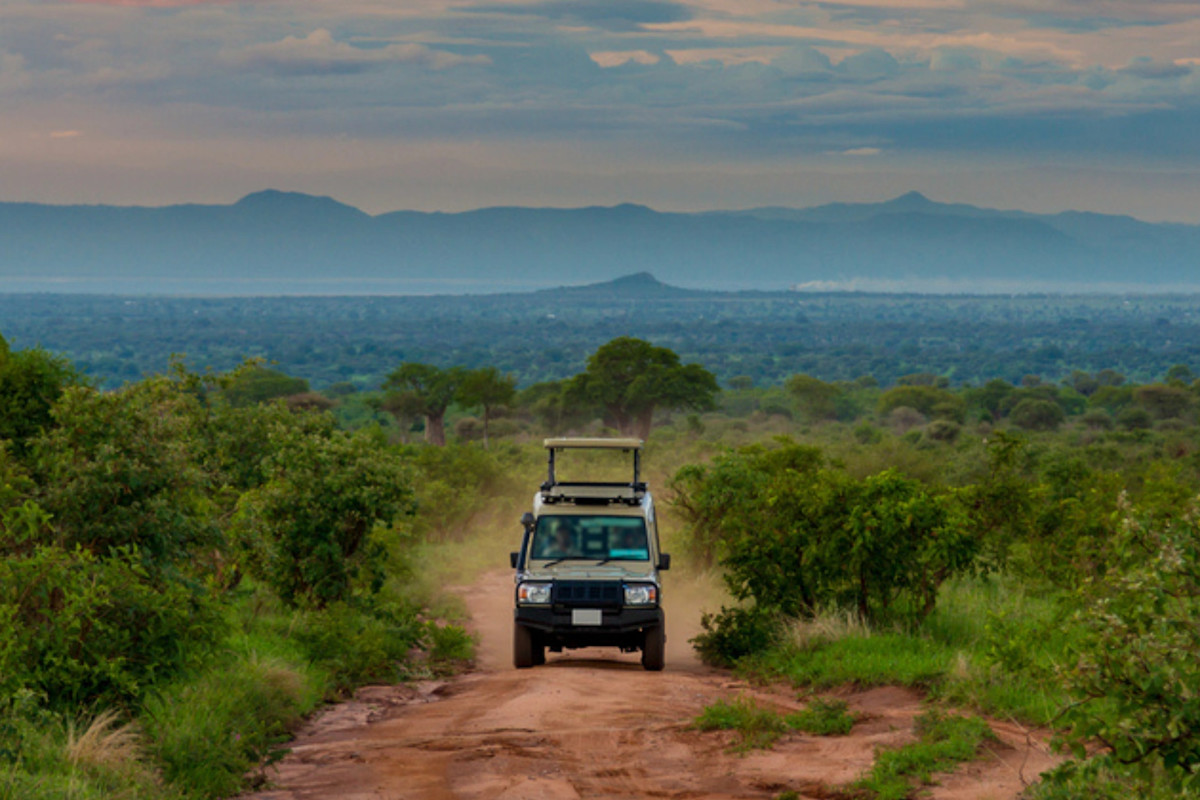
Okay, here’s the thing most folks don’t realize until they’re bouncing along in a 4×4: most safari roads aren’t paved. They’re gravel, clay, or murram. They’re brilliant in the dry season—solid, dusty, easy. But add water, and they turn into a slip-and-slide.
Mud sucks you in like quicksand. Potholes appear out of nowhere. Streams that were just dry cracks in the earth can turn into rushing rivers. On the game tracks inside the parks, it gets even slipperier, and you really need someone behind the wheel who knows what they’re doing.
I won’t lie—there are moments when you’ll wonder if you’ll ever reach that gorgeous lodge. But that’s why you don’t go it alone.
The Main Highways? You’re Fine.
Breathe easy—the big tarred roads connecting cities like Dar es Salaam, Arusha, and Mwanza are built to handle the rain. They stay open, and they’re safe. Just expect to drive slower, because heavy rain means poor visibility, slick surfaces, and surprise potholes you didn’t see until you’re right on top of them.
One golden rule? Don’t drive at night. Seriously. Wet roads + darkness + stray livestock or people walking along the highway = disaster waiting to happen. That’s why most pros won’t do it. And neither should you.
Safari Tracks? That’s Where the Adventure Really Begins
Once you leave the tarmac and enter the parks, things get interesting—and I mean that in the best and most challenging way. Those winding game-viewing tracks are where the magic happens, but also where the mud wins.
Even huge, tough safari vehicles can get stuck. It happens! It’s not a failure; it’s just part of the experience. The guides carry all the gear—tow ropes, shovels, sand ladders—and they know how to get out. Plus, they chat on the radio with other guides, sharing intel on which routes are still good and which ones are a lost cause.
This Is Why Your Vehicle Is Everything
I can’t stress this enough: in the rain, your car is your best friend—or your worst enemy.
A rugged 4×4 Land Cruiser with high clearance and chunky tires? That’s your ticket. A flimsy little hatchback because it was cheaper? That’s the trouble with a rental agreement.
The good safari companies don’t mess around here. They keep their vehicles in top shape because they know a brake failure or a bald tire on a muddy road isn’t just inconvenient—it’s dangerous. If you’re booking a tour, ask what they drive. If they shrug and say “a car,” walk away.
Thinking of Self-Driving? Here’s My Honest Take…
Look, I get it. Something is thrilling about hitting the road on your own terms. And yes, people do self-drive in Tanzania. But during the rains? It’s a whole different beast.
If you’ve never driven on African dirt roads, you might not realize how fast a dry track can turn into a slick, red mudslide. Or how easy it is to get lost when a road that was on your map suddenly just… isn’t there anymore. And breakdowns in remote areas? No fun.
So if you’re a first-timer, please, please consider a guided safari. The drivers are locals. They grew up on these roads. They know the secrets—the back routes, the timing, the signs of a storm coming. They’ll get you there safely and with a smile, while you sit back and enjoy the views.
If you’re dead-set on self-driving, be over-prepared. Download maps offline. Pack extra water, food, fuel, and a satellite phone. And check the weather obsessively.
What the Pros Do That Makes All the Difference
Here’s the thing about the professional safari outfits—they’re like your safety net. They watch the skies like hawks and aren’t afraid to change plans at the last minute if the weather turns ugly.
Got a lodge that’s suddenly hard to reach? They’ll find you another route or switch to a different area. They check in with park rangers, other drivers, and their own team constantly. And they don’t rush you. They built in extra driving time so nobody’s panicking about being late.
That peace of mind? It’s priceless. And it’s exactly what you’re paying for.
But Honestly? The Rainy Season Is Magical
I know I’ve made mud, and potholes sound like the stars of the show, but here’s the secret no one tells you: the rainy season can be the best time to visit.
Picture this: the landscape is a thousand shades of green you didn’t know existed. The air smells fresh and clean. The skies are dramatic—big, brooding clouds with sunbeams breaking through. And the animals? They’re out there, alive and active, with gorgeous light for photos.
Plus, the crowds thin out. You might have a lion sighting all to yourself. Lodges offer deals that make your wallet sigh with relief. And the birds—oh, the birds—they migrate in droves, putting on a show you’d miss in the dry months.
A little mud seems like a small price to pay, doesn’t it?
Areas That Test Your Patience
If you’re venturing deep into the wilderness—I’m talking southern parks like Ruaha or Nyerere, or the remote western parks like Katavi—you need to know things can get properly tough. These places are wild, roads are few, and when it rains, you might find yourself cut off for a day or two. That’s not a tourist trap; that’s just remote Africa.
So talk to your operator. Ask them bluntly: “What’s the real situation on the ground?” They’ll tell you. They’d rather you know now than be surprised later.
My Best Advice for a Smooth Rainy Trip
Here’s what I’d tell my own best friend if they were heading out:
-
Give yourself more time—everything takes longer in the rain.
-
Pick your operator carefully—look for real 4x4s and glowing reviews.
-
Don’t drive at night. Just don’t.
-
Pack a waterproof jacket and a sense of humor—you’ll need both.
-
Protect your gadgets from the humidity and sudden showers.
-
Listen to your guide like they’re a guru, because on these roads, they are.
-
Get travel insurance that covers weather hiccups.
-
Stay chill when plans change. It’s all part of the adventure.
Skip the Drive Altogether—Fly Instead
Not a fan of bumpy roads? I don’t blame you. Tanzania has a fantastic little network of bush planes that hop between parks. You can skip hours of muddy driving and be sipping a gin and tonic at your camp while others are still stuck in traffic.
Yes, it costs more. But if you value your time and your nerves, it’s worth every shilling. Lots of luxury safari packages include flights, and it lets you spend more energy on game drives and less on gritted-teeth driving.
Here’s the Real Truth
Tanzania’s roads in the rain? Safe enough—if you’re smart about it. The real dangers are on those unpaved, muddy tracks deep in the parks, but that’s where local guides and solid 4x4s shine. The main roads are reliable, and the right operator will make sure you never feel unsafe.
So don’t let a little rain scare you off. The green season is raw, real, and ridiculously beautiful. It’s not the dry-season safari your friends posted photos of—it’s something even better. Lush. Quiet. Full of life. And yes, maybe a little muddy.
But that’s Africa for you. And if you embrace it, it’ll give you stories you’ll tell for a lifetime.
Pack your boots, your camera, and your patience. Trust your guide. And get ready for an adventure that’s completely, gloriously, unscripted.

Talk to us
- Email:
- Phone line:
- Whatsapp: