

What Is the Best Time of Day to Enter the Ngorongoro Crater?
What Is the Best Time of Day to Enter the Ngorongoro Crater?
The Honest Truth About That Morning Descent
I remember my first time. I was groggy, clutching a paper cup of coffee that was too hot, questioning every life choice that led me here. The lodge was still dark. My guide just smiled and said, “You’ll thank me.”
I didn’t believe him.
Then we started driving down. The crater walls loomed in the gray pre-dawn. Mist was doing that thing where it swirls over the grasslands like something out of a movie. And then—I swear this happened—the sun cracked over the rim, and the whole world turned gold.
I forgot about my coffee. I forgot about being tired. I just stared.
Why 6 AM Isn’t Just “Early”—It’s Everything
The Animals Are Basically Still in Their PJs
Picture this: You know that feeling in the morning when you’re still in your comfy clothes, having breakfast, and everything feels peaceful and slow? That’s the crater at dawn.
Lions are still licking their chops from last night’s hunt. Hyenas are bickering over leftovers like siblings fighting over the last slice of pizza. Elephants are methodically pulling down branches for breakfast, and they’re too busy eating to care about your safari vehicle.
By 9 AM? Everyone’s done with breakfast. The lions are already looking for shade. The hyenas have gone to bed. You’ve missed the family drama, the interactions, the life of the crater.
The Light Makes Everything Look Like a National Geographic Cover
I’m not a photographer. I take photos on my phone like everyone else. But at sunrise inside the crater? Even my terrible photography skills produced images that made my friends back home jealous.
The golden light is soft and warm, like a filter you don’t have to pay for. Shadows stretch out lazily. The soda lake looks like it’s on fire.
Midday light? Harsh. Flat. Everyone squints. Everything looks washed out and tired—including you.
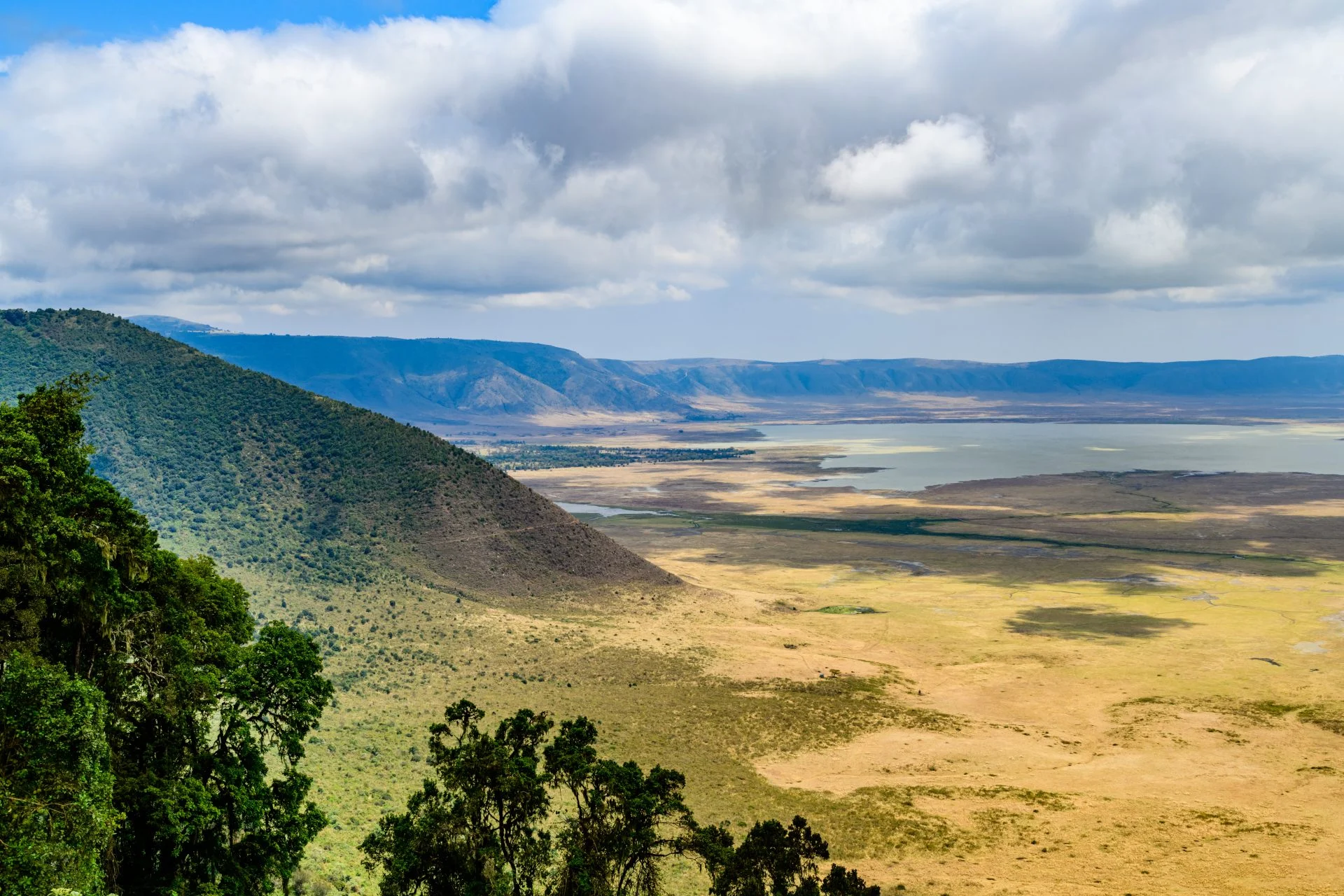
You Get the Place Almost to Yourself
Here’s what happens at 8 AM: Every safari vehicle from every lodge in the area starts descending. There’s a convoy. You’ll pull up to a lion sighting and find 15 other vehicles parked there.
At 6 AM? You might be the only vehicle on that whole stretch of grassland. A lion looks at you, not at 50 other tourists with selfie sticks.
It feels intimate. It feels special. It feels like you’re discovering something that hasn’t been ruined by crowds yet.
But Wait—What If You’re NOT a Morning Person?
Okay, I hear you. I’m not a morning person either. I operate on “coffee and grumpiness” until at least 9 AM.
But here’s the secret: the crater is one of those rare things that’s actually worth breaking your routine for.
You’re not getting up early to sit in a meeting or catch a budget flight. You’re getting up early to watch a rhino wander through mist, or see a lion yawn like a giant house cat, or watch the sunrise over a volcanic caldera so huge it has its own weather system.
That makes waking up at 5 AM feel less like punishment and more like you’re in on a secret that sleepy people are missing.
What Actually Happens If You Go Later?
Let’s be honest: You’ll still see animals. The crater is packed with wildlife year-round. It’s not like they all clock out at 9 AM.
You’ll probably have a rhino sighting where 10 vehicles are jostling for position. You’ll take photos under harsh, unflattering light. You’ll see lions—but they’ll be sleeping. You’ll see elephants—but they’ll be standing around, looking hot.
It’s Ngorongoro Crater, for goodness’ sake. But it’s not the experience that makes people say, “That was the best day of my life.”
The 5 AM Survival Guide (Because We’re All in This Together)
Okay, if I’ve convinced you to do this (and you should), here’s what actually helps:
1. Pack Your Safari Bag the Night Before
Nothing kills the magic like frantically shoving binoculars into your bag at 5:15 AM while your guide is waiting outside.
2. Embrace the Breakfast Box
Your lodge will give you a box with a sandwich, fruit, and coffee. It’s not a gourmet meal. But somehow, eating a basic egg sandwich while watching elephants graze? It becomes gourmet.
3. Dress in Layers
It’s cold on the crater rim at sunrise. Like, “you can see your breath,” cold. Then it gets hot inside the crater. You want to be able to peel off layers like you’re an onion of questionable fashion choices.
4. Bring More Coffee
I cannot overemphasize this. Get a thermos. The lodge coffee is good, but you’ll want it to last.
5. Give Yourself Grace
You’ll be tired. Your hair will look wild. You’ll forget something minor. It doesn’t matter. Nobody’s looking at you. They’re looking at the wildlife.
A Local’s Secret: The “Golden Hour” Doesn’t Stop at Sunrise
Here’s something the guides don’t always mention: The late afternoon is almost as good as the early morning.
Around 4 PM, the light starts getting warm again. Animals wake up from their afternoon naps. Predators start stretching and getting ready for the evening hunt. The golden glow comes back.
But there’s a problem: You have to leave the crater by sunset. The roads up the crater walls are steep, and driving them in the dark is dangerous. So you’re always racing against the clock.
That’s why mornings are better—you have the whole day ahead of you. Afternoons feel rushed. You’re checking your watch, worrying about the ascent, missing things because you’re watching the time instead of the wildlife.
The “Worth It” Test
I’ve asked hundreds of safari-goers this question: “Would you do the early morning again?”
I’ve never heard anyone say no.
Sure, people grumble about the wake-up call. They complain about the cold coffee. They moan about leaving their cozy bed.
But they always, always say it was worth it.
Because you don’t remember the alarm clock. You remember the lion that walked right past your vehicle. You remember the sunrise that made the crater look like paradise. You remember the way your guide smiled when you saw your first black rhino.
Nobody ever says, “I wish I’d slept in.”
6:00 AM is the magic hour.
Earlier than that, you’re waiting in the dark for the crater to open. Later than that, you’re missing the best part.
Will 7:30 AM still be good? Yes. You’ll see plenty of wildlife. You’ll have a great time.
Will 8:30 AM be okay? Honestly? It’ll be fine. The crater delivers regardless.
But if you want the Ngorongoro experience—the one that makes people tear up a little and say “this was the best day of my trip”—set that alarm. Drink that questionable coffee. Grumble your way to the vehicle.
Then watch the sun rise over the greatest wildlife show on Earth and feel everything click into place.
Quick Cheat Sheet for Your Morning
| Time | What’s Happening |
|---|---|
| 5:00 AM | Alarm. Regret. Coffee. |
| 5:45 AM | Departure. Watch sunrise from the rim. |
| 6:00 AM | Enter the crater. Magic begins. |
| 6:00-8:00 AM | Peak activity—predators, grazers, golden light, minimal vehicles |
| 8:00-10:00 AM | Still excellent, but crowds are building |
| 10:00 AM-2:00 PM | Warm. Lions sleeping. You’ll wish you had come earlier. |
| 2:00-4:00 PM | Some activity returns, but not like morning |
| 4:00-5:30 PM | Golden hour again—gorgeous light, but you’re on the clock |
Be brave. Be tired. Be early.
Ngorongoro will reward you with something you can’t get from a later start: pure, unfiltered wildness, wrapped in golden light, with almost nobody else around to share it.
And honestly? When you’re back home scrolling through photos, you’ll be so glad you dragged yourself out of bed.

Talk to us
- Email:
- Phone line:
- Whatsapp: