

Are Cameras Allowed During Gorilla Trekking in Rwanda?
Are Cameras Allowed During Gorilla Trekking in Rwanda?
Let me start with the question I asked myself about fifty times before my trip: Are cameras allowed during gorilla trekking in Rwanda? I had just bought a new camera. I was terrified they’d make me leave it at the gate. So here’s the truth—yes, you can bring your camera. Everyone does. But there’s a catch: absolutely no flash. Not even once. A sudden flash of light can scare a mountain gorilla, and the guides will call you out immediately. Also, leave your tripod behind. You’ll be hiking through mud, bamboo, and rain. You need your hands free. So pack your zoom lens, bring extra batteries, and get ready. Your camera is welcome. Just be smart about it.
What It’s Really Like on Trekking Day
I won’t sugarcoat this. The trek is hard. You wake up around 5:00 AM, drive to Volcanoes National Park headquarters, and join a small group of eight people. After a quick briefing, you start walking. Some hikes take thirty minutes. Mine took nearly four hours. You climb through farmland, then thick bamboo, then tangled vines that grab your boots. It’s steep. It’s slippery. And it’s absolutely worth it. When you finally hear the guide whisper, “they’re here,” your heart will pound. You get one single hour with the gorillas. That hour will feel like sixty seconds. So catch your breath, raise your camera slowly, and soak it all in.
Wild Animals You’ll Actually See Up Close
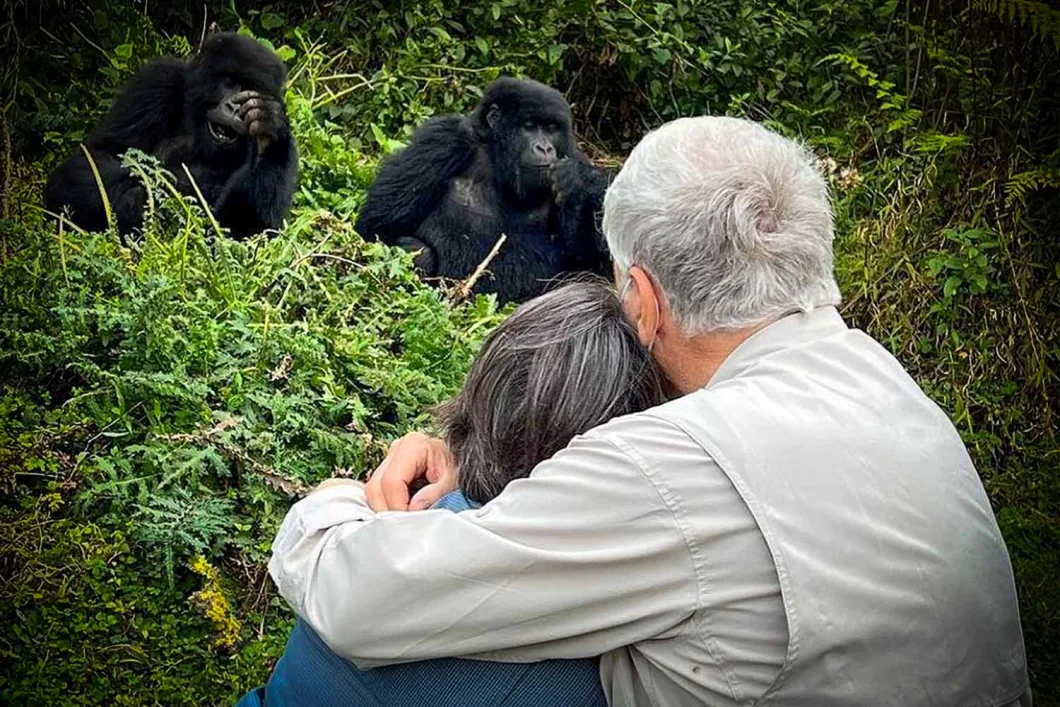
Obviously, the mountain gorillas are the stars. And they do not disappoint. You might see a silverback twice your size casually munching on celery plants. Mothers carrying tiny babies on their backs. Juveniles rolling down hills just for fun. It feels like watching a family drama unfold in slow motion. But don’t ignore the other animals. Golden monkeys are everywhere in this forest. They have bright orange fur and curious faces, and they leap through bamboo right above your head. You might also spot bushbucks, giant forest hogs, or the Rwenzori turaco—a bird with crazy green and purple feathers. Still, I promise you. The gorillas will steal your whole heart.
Cultural Experiences That Most Tourists Miss
Here’s what too many people skip. After your trek, drive to the Iby’Iwacu Cultural Village. This place is special because it’s run by former poachers who now protect gorillas. They will drum for you, dance with you, and teach you how to make banana beer the old way. One man showed me how to start a fire with two sticks. Another walked me through a traditional beehive hut. Then go visit the women weavers near Musanze. They make beautiful baskets, and each pattern tells a story—about a baby being born, a harvest ending, a family healing. Buying a basket directly from her hands feels completely different from a shop. These people live next to the forest every single day. Listening to them will change you.
Best Time to Visit Based on Real Weather
You can trek all year. But if you hate slipping in mud, aim for the dry seasons. That is June through September, and then December through February. The trails are firmer, the sun comes out more often, and you won’t lose a boot in a swamp. That said, I actually went during the rainy season (March to May). Fewer tourists. Greener hills. And so many baby gorillas. The rain usually comes in short bursts, not all day. Just pack a cheap poncho and dry bags for your gear. And remember—you already asked if cameras are allowed during gorilla trekking in Rwanda? Yes. Even in the rain. Just keep your camera dry and your flash off.
Where to Stay for Every Budget
You don’t need to spend a fortune to have an amazing trip. At the high end, Bisate Lodge is incredible. It sits inside an extinct volcano crater, and each room looks like a giant woven basket. The views will make you cry. For normal humans, Da Vinci Guesthouse in Musanze town is perfect. Clean rooms, hot showers, and a breakfast that actually fills you up before the trek. My favorite mid-range option is Five Volcanoes Boutique Hotel. They have fireplaces, a friendly bar, and guests swapping stories every single night. Book everything early. Rooms fill up just as fast as the trekking permits. And one last time, because I know you’re still wondering: are cameras allowed during gorilla trekking in Rwanda? They are. Flash off. Lens clean. Heart open. The gorillas are waiting for you.

Talk to us
- Email:
- Phone line:
- Whatsapp: