

Are flamingos still in Lake Nakuru?
Are Flamingos Still in Lake Nakuru? A Complete Guide for Nature Lovers
Lake Nakuru is one of East Africa’s most iconic wildlife destinations. Renowned for its vast flocks of flamingos, this alkaline lake in Kenya’s Rift Valley has drawn nature enthusiasts, photographers, and bird watchers for decades. But with climate changes, seasonal variations, and ecological shifts, many travelers are asking: Are flamingos still in Lake Nakuru?
This guide dives deep into the current status of flamingos in Lake Nakuru, the best times to visit, what you can expect on a safari, and how to make the most of your trip. Whether you’re planning a short getaway from Nairobi or a multi-day wildlife adventure, this blog will help you plan an unforgettable experience.
Why Lake Nakuru is Famous for Flamingos
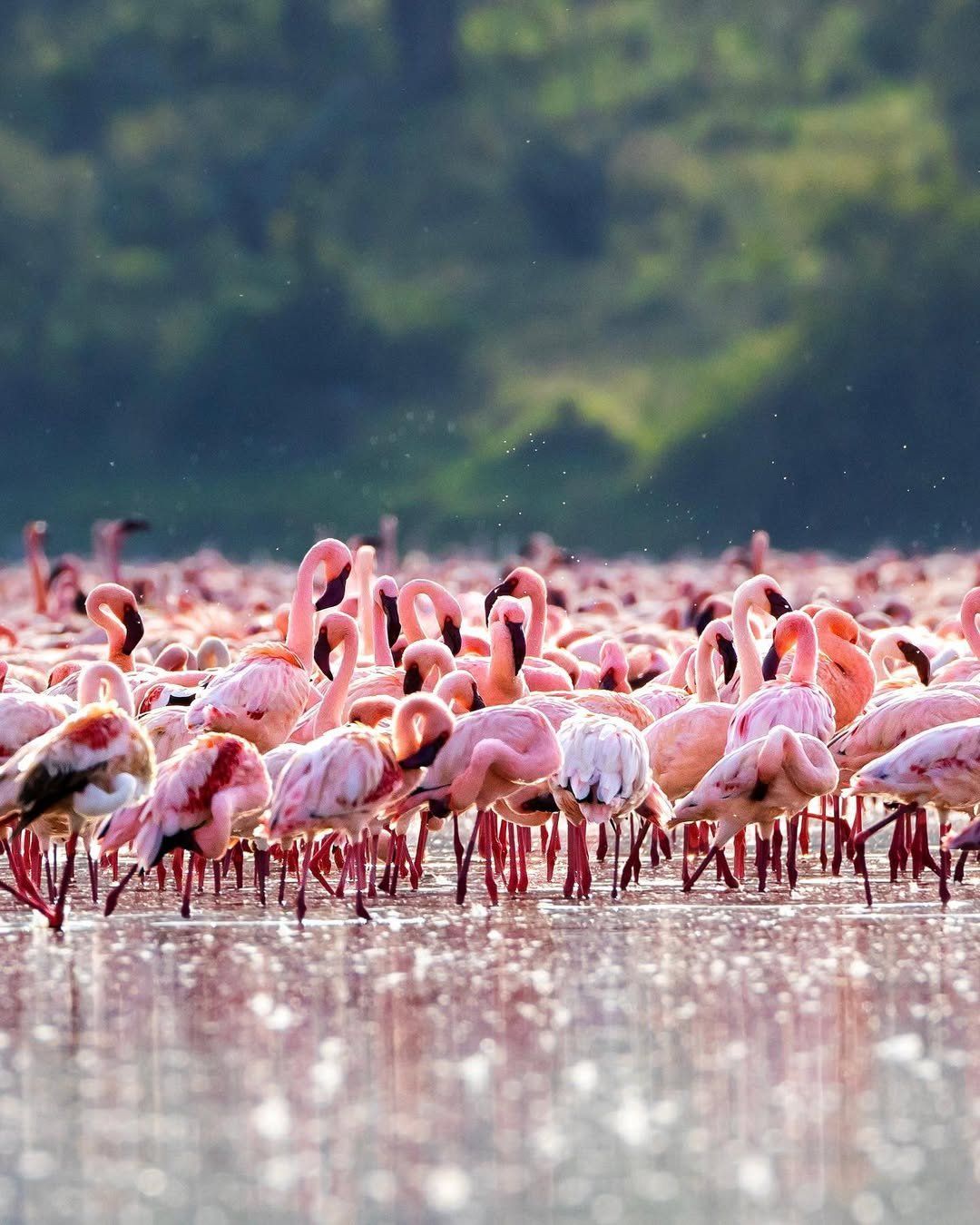
Lake Nakuru sits about 1,754 meters above sea level, in the heart of Kenya’s Rift Valley. It is a shallow, alkaline lake, creating the perfect habitat for cyanobacteria, the main food source for flamingos. Over the years, Lake Nakuru has become synonymous with pink flamingos. The sight of thousands—sometimes millions—of these elegant birds feeding along the shores is truly magical.
Flamingos in Lake Nakuru are not just a beautiful spectacle—they play a crucial role in the ecosystem. By feeding on algae, they help maintain the lake’s delicate ecological balance. Their presence indicates a healthy, thriving lake system, which supports other wildlife such as Rhinos, baboons, giraffes, and zebras.
Are Flamingos Still Present in Lake Nakuru?
The short answer is yes—but with some variations. Flamingos are migratory birds, and their numbers in Lake Nakuru fluctuate depending on water levels, food availability, and seasonal conditions.
In recent years, visitors have noticed that flamingos don’t always appear in the massive numbers seen in older photographs. This doesn’t mean they are gone—they simply move to other nearby lakes or areas with more abundant algae when conditions change.
Key factors affecting flamingo populations in Lake Nakuru include:
-
Water Levels: Heavy rains can flood the lake, diluting its alkaline concentration, which affects algae growth. Flamingos move elsewhere if food becomes scarce.
-
Climate Change: Rising temperatures and unpredictable weather patterns can disrupt migratory patterns.
-
Human Activity: Urban development, pollution, and unsustainable tourism practices around the lake can affect the birds’ habitats.
-
Predation and Disease: Natural factors like predation by birds of prey or avian diseases can influence numbers.
Despite these challenges, Lake Nakuru remains a hotspot for flamingo sightings, especially during certain times of the year.
When is the Best Time to See Flamingos in Lake Nakuru?
Timing is everything if you want to witness the spectacular pink spectacle. Flamingos usually visit Lake Nakuru in large numbers when the cyanobacteria blooms are abundant. This typically happens:
-
During and after the rainy season: The lake receives fresh water, encouraging algae growth.
-
Between March and May, and sometimes October to December, depending on rainfall patterns.
During peak months, the lake shores can appear pink from thousands of flamingos feeding and nesting. Even outside these times, smaller flocks can still be seen, making any visit worthwhile.
Pro Tip: Bring a pair of binoculars and a camera with a zoom lens—sometimes the flocks are spread out across the lake, and you don’t want to miss a single moment.
Types of Flamingos Found in Lake Nakuru
Lake Nakuru is home to two main species of flamingos:
-
Lesser Flamingo (Phoeniconaias minor): The most common species in Lake Nakuru. They feed primarily on cyanobacteria and can form dense colonies.
-
Greater Flamingo (Phoenicopterus roseus): Larger than the lesser flamingos, these birds are less numerous but add variety to the lake’s scenery.
Both species contribute to the lake’s breathtaking pink hue. Watching them feed, take off in flight, or perform synchronized movements is a highlight of any safari.
Other Wildlife You Can See in Lake Nakuru National Park
While flamingos are the stars, Lake Nakuru National Park offers an incredible diversity of wildlife:
-
Rhinoceroses: Both black and white rhinos can be spotted grazing in protected areas.
-
Big Cats: Lions, leopards, and cheetahs inhabit the park, though they are more elusive.
-
Bird Species: Over 400 bird species, including pelicans, African fish eagles, and herons, make it a paradise for birdwatchers.
-
Ungulates: Giraffes, zebras, impalas, and waterbucks roam freely.
A safari here offers a chance to combine flamingo photography with other wildlife adventures, making it a must-visit for nature lovers.
Tips for Visiting Lake Nakuru
To get the most out of your visit and increase your chances of seeing flamingos, consider these tips:
-
Early Morning Visits: Wildlife is most active in the early morning, and the light is perfect for photography.
-
Stay Nearby: Mpogo Lodge, Lake Nakuru Lodge, and other accommodations near the park entrance allow for early starts.
-
Hire a Guide: Local guides know the best spots for flamingo sightings and can provide fascinating insights about the birds and the ecosystem.
-
Be Patient: Flamingo numbers can change daily. Spending a few hours by the lake increases your chances of witnessing large flocks.
-
Bring Binoculars and Camera Gear: A zoom lens or spotting scope can enhance the experience.
-
Respect Wildlife: Keep a safe distance from animals and follow park rules to minimize disturbance.
How Climate Change is Affecting Lake Nakuru
Lake Nakuru is not immune to the effects of climate change. Rising temperatures, changing rainfall patterns, and human-induced pressures affect water levels and algae blooms, which in turn influence flamingo populations.
In recent years, park authorities and conservation groups have been working to:
-
Restore the lake’s water levels and protect inflows
-
Control pollution and prevent encroachment
-
Monitor bird populations and migratory patterns
These efforts aim to ensure that flamingos continue to thrive in Lake Nakuru for generations to come.
Planning Your Safari Around Flamingos
When planning your trip, consider the following:
-
Duration: A 1-2 day visit is usually sufficient for flamingo and wildlife viewing.
-
Transport: Self-drive is popular, but guided tours maximize sightings.
-
Photography: Use a tripod for stable shots of distant flocks, and consider early morning or late afternoon light for the best colors.
-
Other Activities: Hiking trails, scenic viewpoints, and picnics near the lake enhance the overall experience.
Why Lake Nakuru Should Be on Your Bucket List
Even if flamingos aren’t in full bloom during your visit, Lake Nakuru remains a magical destination:
-
Scenic Beauty: Surrounded by escarpments and forests, the lake offers stunning landscapes.
-
Wildlife Diversity: From rhinos to flamingos to countless bird species, the park is rich in biodiversity.
-
Accessibility: Located just a few hours from Nairobi, it’s an easy yet rewarding getaway.
-
Conservation Success Story: Lake Nakuru showcases Kenya’s commitment to preserving wildlife and ecosystems.
The combination of natural beauty, wildlife, and the thrill of seeing flamingos in their habitat makes Lake Nakuru a must-visit destination for every nature enthusiast.
Frequently Asked Questions
Q1: Can I see flamingos all year round in Lake Nakuru?
While flamingos are present year-round, their numbers fluctuate. Peak sightings are typically after rainy seasons.
Q2: Are there any tours specifically for flamingo viewing?
Yes. Many safari operators offer half-day or full-day tours focused on flamingos and birdwatching, often combined with other wildlife viewing.
Q3: Is it safe to visit Lake Nakuru National Park?
Yes. The park is well-managed, with designated roads, guides, and security measures in place.
Q4: What is the best accommodation near the park?
Options include Mpogo Lodge, Lake Nakuru Lodge, and other nearby lodges and campsites, offering various comfort levels and proximity to the lake.
So, are flamingos still in Lake Nakuru? Absolutely! While numbers can vary, the lake continues to host stunning flocks, offering one of the most mesmerizing natural spectacles in Africa. With proper planning, the right season, and a bit of patience, you can experience the magic of thousands of flamingos feeding and nesting along the sparkling pink shores of this iconic lake.
Lake Nakuru is more than just a flamingo destination—it’s a complete wildlife experience. From rhinos and lions to diverse birdlife and lush landscapes, it offers something for every traveler. Pack your camera, hire a local guide, and get ready for an unforgettable safari adventure that blends breathtaking scenery with remarkable wildlife encounters.
Whether you’re a seasoned birdwatcher, a wildlife photographer, or a nature-loving family, Lake Nakuru promises memories that will last a lifetime. Don’t wait—start planning your visit and witness the beauty of flamingos in one of Kenya’s most cherished national parks.

Talk to us
- Email:
- Phone line:
- Whatsapp: