

Are There Age Restrictions for Game Drives in Tanzania?
Are there age restrictions for Game Drives in Tanzania?
So, you’re dreaming of a family safari in Tanzania. That’s amazing. But if you’re like most parents, there’s probably a question nagging at you: can we actually bring our little ones on game drives?
The short answer is yes. But the longer, more helpful answer is… it depends. Not so much on the national parks themselves—they’re pretty relaxed about age—but more on who you book with. Different safari operators, lodges, and camps have their own rules. And trust me, you’ll want to know those rules before you get there, not after.
Do the national parks actually care how old your kids are?
Honestly? Not really. Tanzania’s national parks—think Serengeti, Ngorongoro, Tarangire—don’t have a strict minimum age. You can show up with a baby or a teenager, and they’ll let you in. The real gatekeepers are the safari camps, lodges, and tour operators. They’re the ones who might say, “Sorry, little ones aren’t allowed on this drive.”
So yes, you can visit the parks as a family. But your accommodation or safari company might have other ideas about who gets to sit in that jeep.
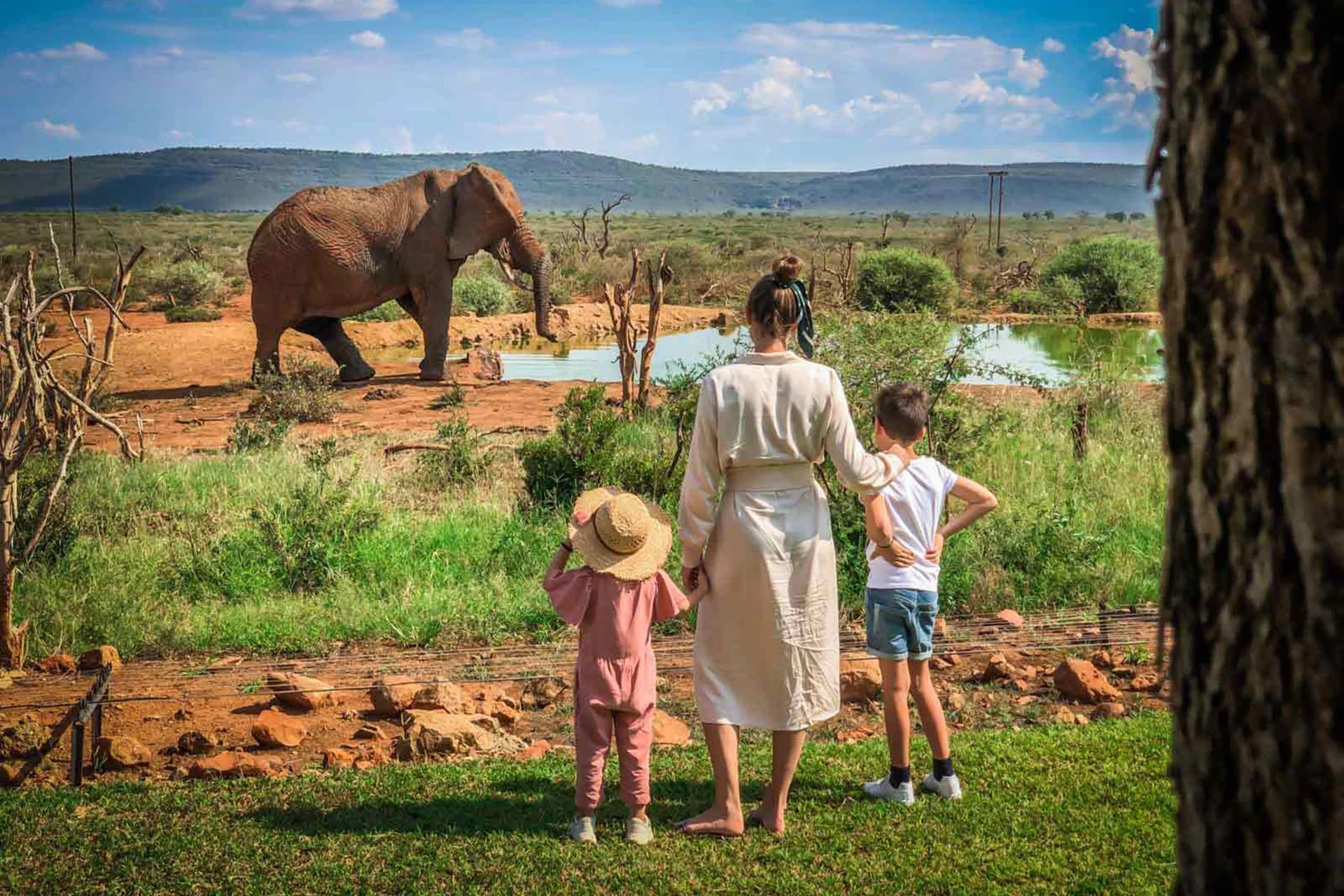
Okay, but why all the fuss about age?
It’s not that safari people don’t like kids. It’s more about keeping everyone safe, comfortable, and happy. Let’s be real: game drives can be tough. You’re waking up before sunrise. You’re bouncing around on rough, dusty roads for hours. Temperatures swing from chilly to scorching. And when you finally spot a lion? You need to sit perfectly still and shut up. That’s hard for adults, let alone a tired toddler.
For little kids, the biggest struggles are usually:
-
Sitting still for what feels like forever
-
Waking up when it’s still dark outside
-
Dealing with heat, dust, and no bathroom in sight
-
Staying quiet when they’re bored or cranky
-
Long, empty stretches between animal sightings
And here’s the truth no one likes to say out loud: on a shared game drive, a crying baby or a restless preschooler can really spoil the magic for everyone else. People save up for years for this trip. They want to hear the roar of a lion, not a tantrum.
So what’s the usual minimum age, then?
Most safari operators and lodges quietly use five years old as their magic number for regular game drives. Some will happily take younger kids. Others are stricter and set the bar at six, seven, or even eight.
Luxury tented camps? They’re often the toughest. They cater to travelers looking for peace, quiet, and a bit of romance. Some of those fancy places won’t let kids under eight join shared drives. So please, please, please—check the age policy directly with your lodge or operator before you book. Don’t assume.
Can I bring a toddler on safari?
You can, but I won’t sugarcoat it: it takes work. Most safari experts will gently suggest waiting until your child is at least five. That said, some family-friendly lodges and private operators will welcome toddlers with open arms—if you book a private vehicle.
And honestly? A private vehicle is a game-changer. No kidding. You set the schedule. You make drives shorter. You stop for snacks, naps, or bathroom breaks whenever you want. You can head back to camp the second someone melts down. And best of all? You don’t have to worry about bothering other guests.
For families with tinies, a private safari isn’t a luxury—it’s basically survival mode. And it works.
Are private game drives really that much more flexible?
Oh, absolutely. Private drives are usually the golden ticket for families with young children. Even lodges that normally say “no kids under five” on shared vehicles will often relax that rule if you book the whole jeep for just your family.
Why? Because now it’s just you, your kids, and the guide. Nobody else to disturb. The guide can go at your pace—shorter drives, later starts, fun little stops to break up the drive. Suddenly, a safari stops feeling like a military operation and starts feeling like an adventure.
For parents with kids under five, going private can be the difference between a trip you regret and a trip you treasure forever.
What’s the actual best age for a Tanzania safari?
If you’re looking for the sweet spot, most safari-loving parents and guides will tell you: eight to twelve years old. That age range is pure gold.
Kids that age can usually handle longer drives without losing their minds. They’re curious, so they’ll ask brilliant questions about the animals. They can sit still and stay quiet when a leopard walks by. They actually appreciate how special a sighting is. And they’ll remember everything for years—maybe forever.
Older kids also love the little things: tracking animals, ticking off species on a checklist, and learning from the guide. Honestly, if you can wait until your child is in that eight-to-twelve window, you’re giving everyone—including yourself—a much better time.
What about other safari activities? Do they have age limits, too?
Yep. And the rules get stricter. Walking safaris? Most require kids to be at least 12, sometimes 16, depending on where you are. Hot air balloon rides over the Serengeti? Usually seven years old minimum, plus they need to be tall enough to see over the basket edge.
So if you’re dreaming of more than just game drives, make sure you check the age requirements for each activity separately. Don’t just assume the same rules apply.
A few honest tips from one parent to another
A family safari can be absolutely magical—honestly, one of the best things you’ll ever do. But it doesn’t happen by accident. You’ve got to plan for it.
Here’s what actually helps:
-
Pick a child-friendly lodge. This is huge. Look for places that offer shorter drives, kids’ programs, a swimming pool, and activities designed for little ones. They exist, and they’re worth their weight in gold.
-
Keep your expectations loose. Wildlife doesn’t follow a schedule. Some days you’ll see everything. Other days, you’ll spend hours looking at empty bushes. That’s just safari life.
-
Build in breaks. Kids do so much better when game drives are balanced with downtime—swimming, playing, napping, just being kids.
-
Bring distractions. Binoculars, wildlife checklists, a camera, and animal spotting books. Anything that keeps little hands and brains busy.
-
Get a good guide. A great family guide doesn’t just know animals—they know how to talk to kids. They’ll tell stories, crack jokes, and keep the excitement alive even when the animals are hiding.
Here’s the bottom line: there’s no single “right age” for a Tanzania safari. The national parks won’t stop you. But your lodge or operator might. Five years old is a common starting point for regular game drives, though plenty of places welcome younger kids—especially if you book a private vehicle.
If you’ve got toddlers or preschoolers, go private. It’ll save your sanity. And if you can aim for that eight-to-twelve sweet spot? Even better. That’s when the magic really kicks in—for them, and for you.
Either way, a family safari is one of those rare things that sticks with you. The dust, the sunsets, the first time your child whispers “lion” with wide eyes. That’s the good stuff. And honestly? It’s worth every bit of planning.

Talk to us
- Email:
- Phone line:
- Whatsapp: