

Are there leopards in Samburu?
Are There Leopards in Samburu? Everything You Need to Know for Your Next Safari
If you’re planning a safari in Kenya and wondering, “Are there leopards in Samburu?”, you’re not alone. Many travelers are captivated by the elusive and enigmatic leopard—one of Africa’s famed “Big Five”—and dream of catching a glimpse of this solitary predator slinking through the bush.
The answer is a resounding yes—leopards do live in Samburu National Reserve. In fact, Samburu is considered one of the best places in Kenya to see leopards in the wild.
In this comprehensive guide, we’ll cover:
-
Why Samburu is a hotspot for leopard sightings
-
The unique features of leopards in Samburu
-
Tips for spotting leopards
-
Best time to visit Samburu for leopard viewing
-
Conservation efforts protecting leopards
-
The Samburu Special Five
-
Safari experience tips to enhance your visit
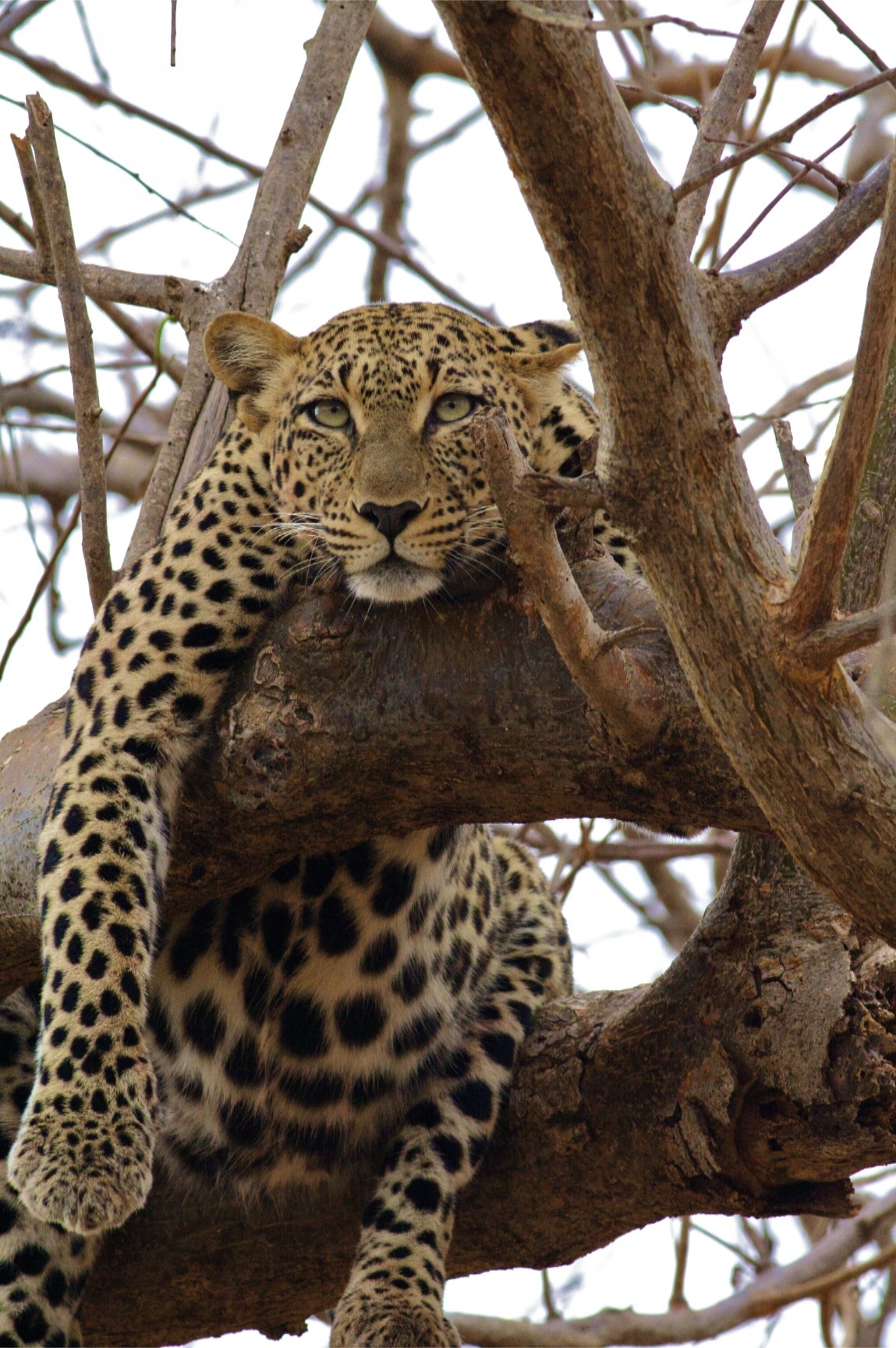
Let’s dive into the wild beauty of Samburu and explore the mystery behind one of Africa’s most iconic predators.
Leopards in Samburu: A Rare and Rewarding Encounter
Yes, There Are Leopards in Samburu!
Samburu National Reserve, nestled in northern Kenya, is a semi-arid savannah ecosystem along the Ewaso Nyiro River. This lush, river-fed corridor is surrounded by dry acacia woodland, rocky outcrops, and open plains—an ideal habitat for leopards.
Unlike the more touristy Maasai Mara or Amboseli, Samburu is quieter and less crowded, increasing your chances of having an intimate, unforgettable encounter with a leopard.
The reserve’s resident leopards are known for being relatively relaxed around safari vehicles, especially when compared to other regions. Some of them have grown accustomed to visitors and can be observed in daylight—a rare treat for safari-goers.
What Makes Samburu a Prime Leopard Territory?
1. Diverse Terrain
Leopards are stealthy ambush predators that rely on cover and camouflage. Samburu’s rocky hills, dry riverbeds, and thick bushland offer the perfect combination of hiding places and hunting grounds.
They often rest on tree branches or among the rocky outcrops during the day and come out to hunt at dusk or dawn. If you’re lucky, you might spot one lounging in the fork of an acacia tree.
2. Water Source: The Ewaso Nyiro River
The river is a lifeline to all wildlife in Samburu. Herbivores like impalas, dik-diks, and Grant’s gazelles—leopard prey—frequent the riverbanks, attracting big cats. The density of prey species makes this area a prime hunting ground for leopards.
3. Low Tourist Pressure
Samburu receives fewer tourists compared to southern Kenya reserves. This results in less vehicle noise and disturbance, allowing predators like leopards to behave more naturally and occupy visible areas more frequently.
The Elusive Star of the Show: Samburu’s Famous Leopards
A Look Back: Kamunyak and the Leopard Mothers
Samburu isn’t just known for leopards—it has also produced viral wildlife stories. One such tale is of Kamunyak, the lioness that adopted oryx calves, but just as impressive are the stories of resident leopard mothers raising cubs along the riverbanks.
Photographers and researchers have documented generations of leopards in Samburu, some of whom have become local legends due to their boldness or maternal stories.
Samburu’s leopards are especially popular among wildlife filmmakers and photographers for their photogenic behavior and scenic backdrops.
When Is the Best Time to Spot Leopards in Samburu?
Dry Season: June to October, and December to March
These are the best months for leopard sightings. During the dry season, animals congregate near the Ewaso Nyiro River. Leopards often follow these herds, making them easier to find. Vegetation is also sparser, improving visibility.
Rainy Season: April–May and November
Though more challenging, the green season can still offer great leopard sightings, especially for seasoned guides who know their territories. The bush is lush, and wildlife is less predictable—but if you love dramatic skies and fewer tourists, this could still be your season.
Where in Samburu Can You Find Leopards?
Leopards are territorial and tend to stick to known paths and regions. Here are some hot spots within Samburu where leopard sightings are more frequent:
-
Along the Ewaso Nyiro River: Particularly at dawn or dusk.
-
Near rocky outcrops (kopjes): Leopards love these for resting and scouting prey.
-
Thickets of acacia and doum palms: Great camouflage for a stealthy predator.
-
Buffalo Springs and Shaba National Reserves: These adjacent reserves are also leopard territories and can be explored on extended game drives.
How to Maximize Your Chances of Seeing a Leopard
1. Hire an Experienced Guide
Local Samburu guides know the terrain intimately. Many have tracked individual leopards for years and can recognize their behaviors, tracks, and territories.
2. Book Early Morning and Late Afternoon Game Drives
Leopards are most active during twilight hours. That’s when they hunt or move between resting areas. Opt for sunrise drives and sundowner safaris.
3. Stay for Multiple Days
A single day safari might not be enough. Spending 3–4 days increases your chances dramatically—not just of seeing a leopard, but of witnessing a kill, interaction, or cubs.
4. Be Patient
Leopard sightings often require waiting and watching. Unlike lions that rest in the open, leopards love concealment. Ask your guide to stop near known habitats and wait quietly.
Beyond Leopards: Meet the Samburu Special Five
While leopards are high on the wish list, Samburu is also home to some extraordinary wildlife you won’t see in southern Kenya. These include:
-
Grevy’s Zebra – Larger, rarer cousin to the common zebra.
-
Reticulated Giraffe – Striking, net-like coat pattern.
-
Beisa Oryx – Iconic desert antelope with long, straight horns.
-
Somali Ostrich – Bluish legs and neck, adapted to arid climates.
-
Gerenuk – Also known as the “giraffe gazelle,” this long-necked antelope stands on two legs to browse.
These species thrive in the arid conditions of Samburu, giving the region its own unique safari flavor.
Conservation and Challenges: Protecting Samburu’s Leopards
Leopards face numerous threats in the wild, including habitat loss, poaching, and human-wildlife conflict. Thankfully, Samburu’s community-driven conservation models have shown real promise.
1. Community Conservancies
Organizations like the Northern Rangelands Trust (NRT) have empowered local Samburu communities to manage and benefit from wildlife. These efforts have contributed to reduced poaching and increased leopard populations.
2. Human-Wildlife Coexistence
Leopards sometimes prey on livestock, leading to retaliation killings. However, education and compensation programs are helping reduce these incidents.
3. Tourism as a Conservation Tool
Every time you visit Samburu and pay park fees or stay in eco-lodges, you’re contributing to leopard conservation. Many lodges reinvest earnings into anti-poaching patrols and community development.
Is Samburu a Safe Safari Destination?
Absolutely. Samburu National Reserve is well-managed and has a good network of game drive routes, accommodations, and security measures.
Visitors are accompanied by trained guides and rangers. It’s also malaria-prone, so plan accordingly with your doctor before travel. That said, Samburu remains one of Kenya’s hidden safari gems—peaceful, scenic, and full of surprises.
Recommended Lodges for Leopard Viewing in Samburu
Here are a few top-rated accommodations that offer excellent access to leopard habitats:
-
Saruni Samburu – Luxury eco-lodge on Kalama Conservancy with sweeping views.
-
Samburu Intrepids Camp – Situated along the river and known for excellent game drives.
-
Elephant Bedroom Camp – Elegant tented camp near leopard hot spots.
-
Sasaab Lodge – Moroccan-style retreat perfect for relaxation and wildlife encounters.
Is It Worth Visiting Samburu for Leopards?
Absolutely! If you dream of seeing a leopard in the wild—unbothered, confident, and majestic—Samburu is one of the top places in Kenya to make that dream come true.
But beyond leopards, Samburu offers a raw, less commercial safari experience where the landscapes are dramatic, the wildlife unique, and the culture authentic. It’s a destination that deserves more recognition.
So next time someone asks, “Are there leopards in Samburu?” you can confidently answer:
Yes. And it’s one of the best places to see them.
Safari Planning FAQs
Q: How do I get to Samburu?
A: You can fly from Nairobi’s Wilson Airport to Samburu’s airstrips (Kalama, Buffalo Springs, or Samburu Oryx) or drive (approx. 6 hours from Nairobi).
Q: Do I need a 4×4 vehicle?
A: Yes. Some areas are sandy or rocky, especially in the dry season.
Q: Is Samburu suitable for family safaris?
A: Yes, but with kids aged 6+. Some lodges have family-friendly amenities and educational programs.
Q: Can I combine Samburu with other parks?
A: Definitely! Consider combining it with Ol Pejeta Conservancy, Mount Kenya, or Laikipia Plateau.
Keywords to Remember (SEO Friendly)
-
Leopards in Samburu
-
Samburu National Reserve safari
-
Best place to see leopards in Kenya
-
Samburu Big Cats
-
Samburu wildlife safari
-
Samburu Special Five
-
Leopard sightings Kenya
-
Samburu safari packages
-
Samburu leopard tours
-
Big Five in Samburu
Ready to See the Elusive Leopard in Samburu?

Talk to us
- Email:
- Phone line:
- Whatsapp: