

Calving Season in Serengeti: When & Where to Visit
Calving Season in Serengeti: When & Where to Visit
The Serengeti National Park is home to one of the most captivating wildlife spectacles on Earth—the Great Migration. But within this annual journey, one particular phase stands out for its sheer intensity and drama: the Calving Season in Serengeti. This short window of time, when hundreds of thousands of wildebeest give birth within a few weeks, draws in predators, photographers, and nature lovers from all over the world.
Unlike the more famous river crossings of the migration, the calving season offers a unique look into the circle of life in the wild—where survival is uncertain, but life flourishes on a massive scale. In this article, we explore the Calving Season in Serengeti in detail: when it happens, where to go, what to expect, and how to plan a safari around this incredible event.
What Is the Calving Season in Serengeti?
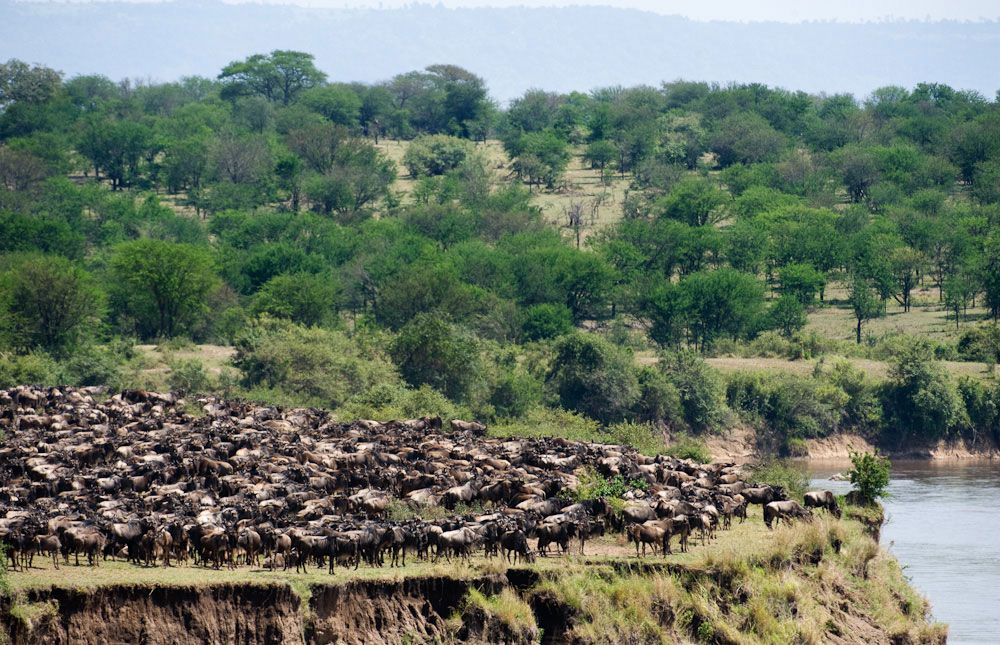
Every year, around January to March, the Southern Serengeti plains—particularly the Ndutu area in the Ngorongoro Conservation Area—transform into massive birthing grounds. During this period, over 500,000 wildebeest calves are born, often within just a few weeks of each other.
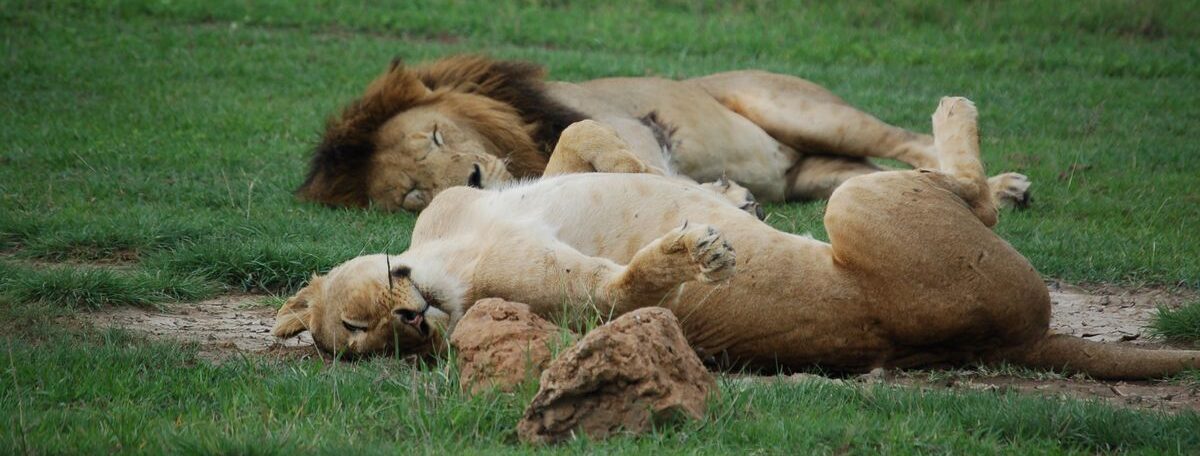
The Calving Season in Serengeti is not only about birth. It’s also about the raw drama of survival. With so many vulnerable young animals on the plains, predators such as lions, hyenas, leopards, and cheetahs are drawn to the area, creating a dynamic and emotionally charged safari experience.
When Is the Best Time to Visit for Calving Season?
Timing is everything when planning to witness the Calving Season in Serengeti. The season generally runs from mid-January to early March, though this can vary slightly depending on weather patterns and rainfall.
Month-by-Month Breakdown:
-
Late December – Early January:
The wildebeest herds begin moving southward from the central Serengeti to the Ndutu plains. This is the prelude to the calving. -
Mid to Late January:
The herds settle in and the first calves are born. The grass is lush and green due to the short rains, providing ideal nourishment for lactating mothers. -
February:
This is peak calving time. Up to 8,000 calves are born each day during the height of the season. It’s the best time to witness both newborns and predator action. -
Early March:
Calving slows down, but the herds are still in the area. Many young calves are now strong enough to keep up with the adults, and predators continue to linger.
If your goal is to witness the Calving Season in Serengeti, planning your safari for February gives you the highest chance of seeing both births and intense predator-prey interactions.
Where to Go During Calving Season in Serengeti
The wildebeest do not give birth just anywhere in the park. Instead, they return annually to specific areas with ideal conditions—nutrient-rich grasses, open plains, and access to water. These areas are mostly located in the Southern Serengeti and Ndutu region.
1. Ndutu Area (Ngorongoro Conservation Area)
The Ndutu plains are the epicenter of the Calving Season in Serengeti. Though technically outside the Serengeti National Park, the Ndutu region is part of the greater Serengeti ecosystem.
-
Why Ndutu?
The short-grass plains here are rich in minerals, especially calcium and phosphorus, which help support lactating wildebeest and healthy bone development in calves. The open landscape also allows the mothers to spot predators from afar. -
Wildlife Experience:
During calving season, you’ll see large herds of wildebeest, hundreds of zebra and gazelle, and numerous big cats. This is one of the best places in Africa to witness hunting behaviors in real time.
2. Southern Serengeti (Masek, Kusini, Maswa)
These adjacent areas also play a crucial role during the calving season. Herds move between Ndutu and the Southern Serengeti, especially when grazing becomes scarce.
-
Why Southern Serengeti?
Offers fewer tourists than central Serengeti, with rich photographic and wildlife opportunities. -
Accessibility:
Most camps in the area offer game drives that span both Southern Serengeti and Ndutu, maximizing your chances of spotting wildlife.
3. Hidden Gems: Gol Kopjes & Olduvai Gorge
The Gol Kopjes, often referred to as the “Serengeti’s Serengeti”, are rocky outcrops where big cats hide to ambush prey. Combine this area with visits to Olduvai Gorge for a mix of wildlife and prehistoric archaeology.
What Wildlife to Expect
While wildebeest are the stars of the show, the Calving Season in Serengeti is about so much more. Here’s what else you can expect:
1. Wildebeest Calves
-
Thousands of calves born each day
-
They can stand within minutes and run within hours
-
Follow their mothers instinctively
2. Predators in Action
-
Lions: Target young or isolated calves
-
Cheetahs: Specialize in sprint attacks on vulnerable calves
-
Hyenas: Scavengers and skilled hunters, often working in clans
-
Leopards: Opportunistic and elusive, usually hunt alone
3. Other Herbivores
-
Zebras and gazelles also calve during this time
-
Offer additional prey for predators and variety for safari-goers
4. Birdlife
-
Excellent time for birdwatching
-
Migratory birds, flamingos in Lake Ndutu, and raptors in action
Why Visit During Calving Season in Serengeti?
There are many reasons to choose a safari during this time over other migration phases:
1. Unique Wildlife Behavior
The circle of life plays out in real time—birth, survival, predation, and resilience. It’s a humbling and powerful experience.
2. Fewer Tourists
Compared to peak seasons like the Mara River crossing, the calving season draws fewer tourists, allowing for a more intimate safari.
3. Great Photography
With lush green backdrops, dramatic lighting, and active wildlife, this is a dream setting for photographers.
4. Accessible Game Viewing
The terrain is open and flat, making it easier to spot wildlife and observe from a safe distance.
Safari Types for Calving Season
There are many ways to enjoy the Calving Season in Serengeti, based on your budget and comfort preferences.
1. Mobile Tented Camps
These camps move seasonally to be close to the herds. They offer authentic, close-to-nature experiences.
2. Luxury Lodges
Permanent lodges in or near Ndutu and Southern Serengeti provide high-end accommodation, fine dining, and expert-guided safaris.
3. Budget Camping Safaris
An economical option for adventurous travelers. Usually involve shared group safaris and basic tented camps.
4. Fly-in Safaris
Save time by flying directly into Ndutu or Southern Serengeti from Arusha or Kilimanjaro. Ideal for those with limited time.
Photography Tips for Calving Season
If you’re a photographer heading to the Calving Season in Serengeti, here are some pro tips:
-
Bring a fast zoom lens (at least 300mm) for close-up shots of wildlife
-
Use burst mode to capture predator attacks or newborns taking first steps
-
Golden hour lighting (early morning and late afternoon) enhances your images
-
Stabilizers or bean bags are useful in vehicles
-
Respect wildlife: never pressure your guide to get too close
Responsible Tourism and Conservation
Calving season is a fragile time for wildlife. Visitors should:
-
Stick to marked roads and tracks
-
Avoid disturbing calving mothers or young animals
-
Choose eco-conscious lodges and guides that follow conservation practices
Tourism revenue helps fund anti-poaching patrols, research, and community programs. By visiting responsibly during the Calving Season in Serengeti, you contribute directly to wildlife conservation.
Planning Your Safari: Practical Tips
-
Visas & Entry: Most visitors require a visa to enter Tanzania.
-
Vaccinations: Yellow fever (if coming from endemic area), malaria prophylaxis, routine vaccines.
-
Travel Insurance: Always recommended, especially for emergency evacuation.
-
Weather: Warm during the day (25–30°C), cooler at night.
-
Currency: Tanzanian Shilling (Tsh). USD widely accepted in tourism sector.
-
Connectivity: Limited; embrace the digital detox!
Sample 6-Day Calving Season Safari Itinerary
Day 1: Arrival in Arusha
Day 2: Fly to Ndutu – Afternoon game drive
Day 3: Full-day game drives – Calving and predator action
Day 4: Visit Southern Serengeti – Optional walking safari
Day 5: Explore Gol Kopjes and Lake Ndutu
Day 6: Return flight to Arusha – Departure
This itinerary offers immersive coverage of the Calving Season in Serengeti, blending wildlife action with comfort.
FAQs: Calving Season in Serengeti
1. Is the calving season dangerous for travelers?
Not at all. While you’ll witness dramatic scenes, your guide ensures your safety. Animals are generally not aggressive toward safari vehicles.
2. Is it suitable for families?
Yes, though very young children may find the predation scenes upsetting.
3. Do I need special permits?
Park and conservation fees are required and usually included in your safari package.
4. How do I get there?
Fly into Kilimanjaro or Arusha Airport. From there, fly or drive into the Serengeti or Ndutu.
5. Can I combine this safari with other destinations?
Absolutely! Add on Zanzibar, Ngorongoro Crater, or even a Kilimanjaro trek.
Why Calving Season in Serengeti Is a Must-See
The Calving Season in Serengeti is not just about watching baby animals—it’s about witnessing one of nature’s most powerful life cycles in real time. The emotional highs and lows, the sheer scale of wildlife, and the tranquil beauty of the green plains make it one of Africa’s most soulful safari experiences.
Whether you’re a seasoned safari-goer or a first-timer, the Calving Season in Serengeti offers something unforgettable. From raw predator action to tender moments between mother and calf, this season paints the Serengeti with colors of birth, survival, and natural wonder.

Talk to us
- Email:
- Phone line:
- Whatsapp: