

How Long Will I Spend With the Gorillas After Finding Them?
How Long Will I Spend With the Gorillas After Finding Them?
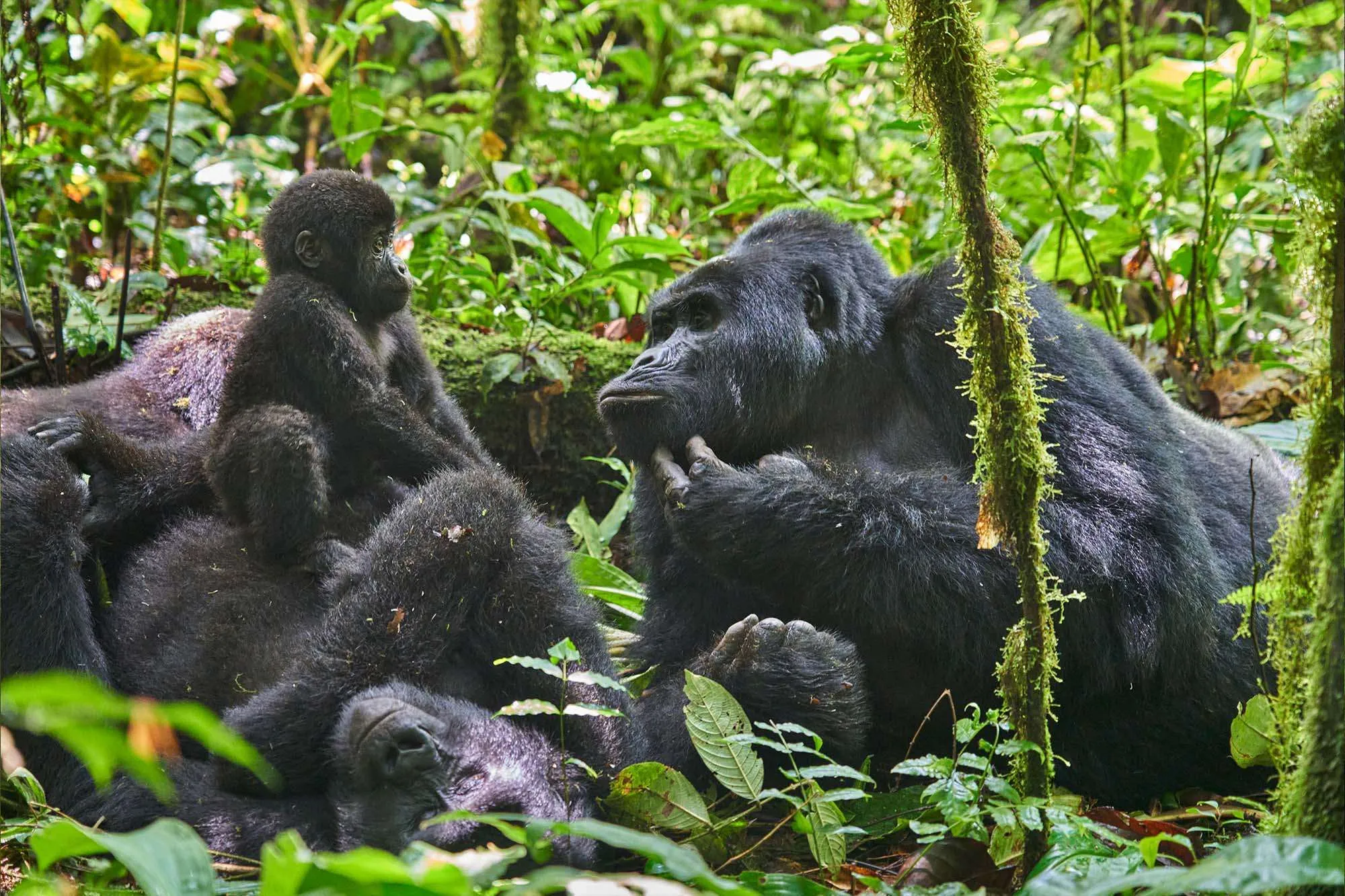
Let me paint you a picture. You’ve been hiking for two hours, maybe three. Your legs are screaming. Your boots weigh five extra pounds thanks to the mud. You’ve ducked under vines, slipped twice (once right into a nettle bush), and the guide keeps saying “just a little further.” Then he stops. He points. And there—maybe thirty feet away—a silverback is calmly munching on a stalk of wild celery like it’s the most normal thing in the world. Your heart forgets how to beat normally. And I know what you’re wondering, because I wondered the same thing: how long will I spend with the gorillas after finding them? The answer is one hour. Exactly sixty minutes. That’s the rule everywhere—Rwanda, Uganda, the DRC. And here’s the thing nobody tells you: that hour will feel both like five minutes and a lifetime.
What to Expect
You’ll kneel in the damp moss without even thinking about it. The gorillas will mostly ignore you—that’s the goal. They eat, groom each other, nap, and occasionally steal a glance your way like you’re the strange one. A baby might somersault down a slope just for fun. A teenage gorilla might scratch its belly and yawn, showing off teeth that remind you these are wild animals. Your guide will whisper facts—“that’s the alpha female, she just had a baby three months ago”—but honestly, you’ll barely hear him. You’ll be too busy watching a mother pull her infant closer, or two juveniles wrestle until one fakes a dramatic fall. Then the guide taps your shoulder. “Ten minutes left.” That’s when panic sets in. How long will I spend with the gorillas after finding them? You already know. But suddenly it doesn’t feel like enough.
Other Animals to Keep an Eye Out For
Now, don’t go in expecting a safari. This isn’t the savannah with zebras everywhere. But if you keep your eyes open, the forest surprises you. I remember walking past a tree and spotting a tiny bushbuck—like a deer but more elegant, frozen in place, hoping we wouldn’t notice. Golden monkeys are the clowns of these mountains; they leap through bamboo with insane energy, and if you’re lucky, a whole troop might pass right overhead. L’Hoest’s monkeys look like old men with white beards, sitting on branches and giving you judgmental stares. And the birds? Some are ridiculous—the great blue turaco has wings that flash crimson when it flies, and it always seems to laugh at you for missing the shot. You won’t see lions or elephants here, and that’s fine. The smaller creatures make you slow down, and slowing down is exactly what this place asks of you.
The Culture You’ll Meet on the Way
Here’s where the magic deepens. After your trek—or sometimes the day before—you can walk into a village and meet people whose families have lived alongside gorillas for generations. I met a man in Uganda named Jean, a former poacher who now works as a guide. He showed me how he used to set snares. Then he showed me the photo of the silverback he now protects every single day. There’s a humility in that that wrecked me. You might visit the Batwa community, where the grandmothers will teach you to make banana beer (warning: it’s stronger than it looks) and the kids will hold your hand and walk you through their village like you’re family. You’ll dance. You’ll feel awkward. They’ll laugh and pull you into the circle anyway. That night, lying in your lodge bed, you’ll think about the woman who wove you a basket in twenty minutes flat, and you’ll realize the gorillas aren’t the only ones worth remembering. And somewhere in that memory, you’ll think back to your earlier question—how long will I spend with the gorillas after finding them?—and smile because the culture added its own invisible hours.
When to Go for the Best Experience
The dry seasons—June to September, and then again December to February—mean less slipping, clearer paths, and happier knees. The gorillas don’t vanish in the rain, but you will. I went in October once, which is supposed to be wet, and honestly? It was fine. A little muddy, sure. But there were half as many tourists, and the forest felt more alive—everything was green and dripping and dramatic. The one thing nobody warns you about? Permits. You need to book those months ahead. There are only eight spots per gorilla family per day, and they sell out faster than concert tickets. So pick your window, commit, and don’t overthink it. Rain or shine, when you finally lock eyes with a silverback, you won’t remember the mud anyway.
Where to Sleep Off the Exhaustion
You’ll want a hot shower after trekking. Trust me on this. If you’ve got the budget, places like Bisate Lodge in Rwanda feel like something out of a dream—huge round cottages, fireplaces, staff who remember your name and your coffee order. But I’ve also stayed at simple places—think clean beds, friendly owners, and dinner served family-style—that were just as memorable. In Uganda, Gorilla Valley Lodge gives you a view of the forest from your pillow. In the DRC, Mikeno Lodge feels like a colonial throwback but in the best way (think stone fireplaces and lemon cake at tea time). On a tight budget? Manyatta Camp lets you sleep in a tent with the sounds of the forest right outside. Bring earplugs for the frogs. And no matter where you stay, you’ll wake up at 5:00 AM, drink instant coffee that tastes like victory, and head into the mist feeling like an explorer. By dinner, you’ll be so tired you can barely lift your fork. And you’ll be so happy you won’t care.
because I know it’s still sitting in your chest. How long will I spend with the gorillas after finding them? One hour. Sixty minutes. That’s all the rules allow. But here’s what the rules don’t tell you. You’ll carry that hour like a photograph in your ribs. You’ll remember the way the silverback’s fingers curled around that celery stalk, the exact shade of brown in a baby’s eyes, the sound of a mother gorilla sighing like she’s been parenting all day and needs a break. You’ll come home and try to explain it to your friends, and you’ll fail. And that’s okay. Some things aren’t meant to be explained. They’re meant to be felt. Go feel it.

Talk to us
- Email:
- Phone line:
- Whatsapp: