

How Many Mountain Gorillas Are Left in the Wild?
How Many Mountain Gorillas Are Left in the Wild?
I used to think gorilla trekking was one of those things that only rich people or National Geographic filmmakers got to do. Then I actually looked into it. And the first thing I wanted to know was, how many mountain gorillas are left in the wild? I braced myself for bad news. But here’s the thing—they’re coming back. Slowly. Right now, there are just over 1,063 of them. That’s not a huge number. But in the 1980s, there were only about 250. So yeah, that’s something worth celebrating. And also worth protecting. That’s why I went.
What it’s actually like
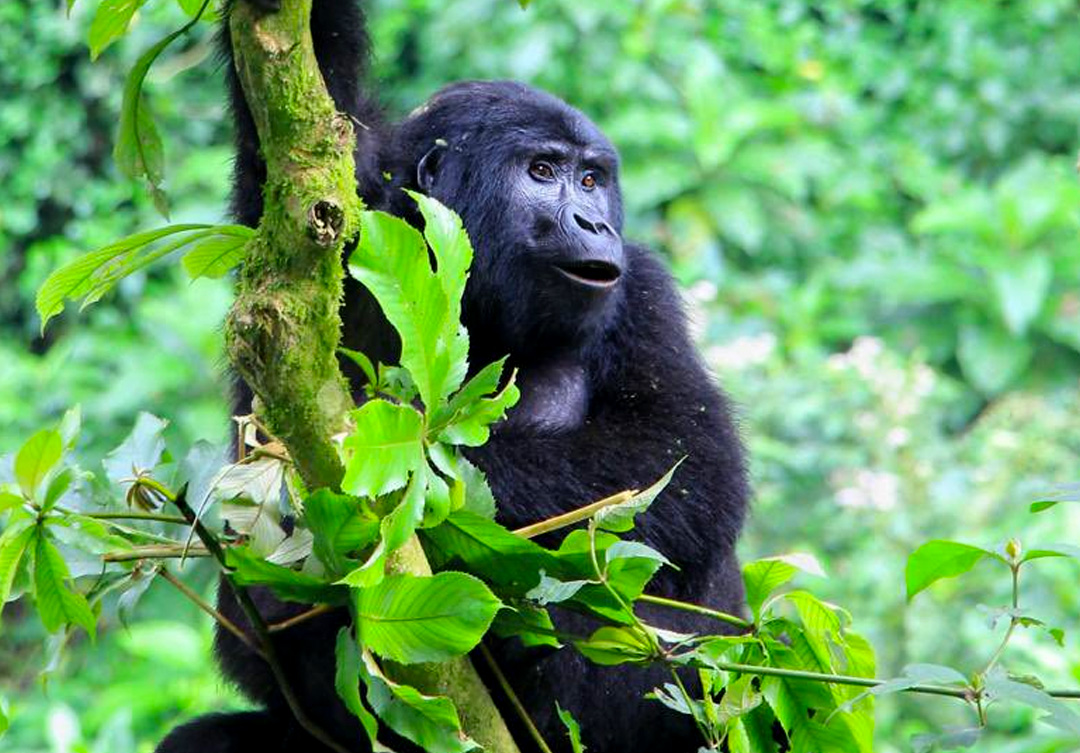
Nobody warns you about the mud. I mean, it really warns you. You wake up at 4 AM, drink some weak coffee, and then you start walking up a mountain that feels like it’s made of wet cement and tangled roots. You’ll fall. At least once. I did. The guide just laughed and pulled me up. Then, after two hours of hiking, he holds up his hand. We stop. He points. And I swear, my brain couldn’t process what I was seeing at first. A silverback. Just sitting there. Eating a leafy branch like he was waiting for us. He looked at me for maybe three seconds. Then went back to eating. That was it. And I cried a little. Not gonna lie.
Other animals you might see
You’ll see monkeys. Lots of them. Golden monkeys are like little orange acrobats bouncing through the bamboo. There are also these guys called L’Hoest’s monkeys, and they look like they have old man beards. Very serious faces. If you’re quiet, you might see a forest elephant. They’re smaller than the ones on TV, but you still don’t want to get too close. And the birds. Oh man. There’s one called the great blue turaco. It’s blue and red and green and looks like a kid went wild with crayons. You’ll hear them before you see them—they laugh like crazy people.
cultural experience to expect
This part surprised me the most. I visited a Batwa village. The Batwa used to live in the forest. When they made the gorilla保护区, they had to leave. No choice. And honestly, I didn’t know how to feel about that. But the people I met? They weren’t bitter. They were warm. A woman named Grace taught me to weave a basket. I was terrible at it. She kept giggling. Then an old man showed us how to make fire with two sticks. Took him thirty seconds. Took me ten minutes and a lot of swearing. We shared a meal of beans and plantains. It was simple. It was real. And I left thinking—this is who we’re really helping when we buy a trekking permit. Not just gorillas. People.
When to travel
Here’s the truth. The dry season is easier. That’s June through September, and December through February. Trails aren’t as slippery. You won’t need to change socks twice a day. But everyone knows that, so permits sell out fast. I went in March. Rainy season. I was wet the whole time. My boots made squishing sounds for days. But you know what? The forest was incredible. Flowers everywhere. Butterflies. And I barely saw another tourist. Felt like I had the whole mountain to myself. So pick your hard. Mud or crowds. Either way, just go. Because how many mountain gorillas are left in the wild goes up a little bit every time someone visits responsibly.
Where to stay
You don’t need to spend a fortune. I promise. On the fancy end, Bisate Lodge in Rwanda looks like a giant woven basket. Gorgeous. But I stayed at a place called Five Volcanoes Boutique Hotel. Hot shower. Warm fire. View of the mist rolling over the mountains in the morning. That’s all I needed. In Uganda, there’s Sanctuary Gorilla Forest Camp. Tents with real beds. You can hear gorillas at night—not close enough to worry, just close enough to feel like you’re somewhere wild. On a budget? Nkuringo Gorilla Camp. Basic rooms. But the staff becomes your family. They’ll stay up late with you, telling stories and pointing out constellations. You’ll sleep better than in any five-star hotel.
So yeah. How many mountain gorillas are left in the wild? Just over a thousand. That’s not a win yet. Not fully. Poachers still exist. Diseases could wipe out a whole family in a week. But it’s also not a tragedy anymore. It’s a fight we’re winning, slowly. And you can be part of that. Not by donating from your couch (though that helps too). But by going. By putting on those muddy boots. By sitting in the rain and watching a silverback eat his lunch. Then coming home and telling everyone what you saw. Because the more people care, the more these gorillas get to stay. And one day, maybe my kids will ask me the same question. And I’ll get to say—more. Even more than before.

Talk to us
- Email:
- Phone line:
- Whatsapp: