

Tsavo Man-Eaters Lion History Tour
Tsavo Man-Eaters Lion History Tour: Walking in the Footsteps of Africa’s Most Infamous Predators
Few wildlife stories in African history have stirred as much fascination, fear, and intrigue as the tale of the Tsavo Man-Eaters—two colossal, maneless lions that terrorized railway workers in 1898 during the construction of the Kenya-Uganda Railway. For nine long months, these cunning predators hunted humans, evading capture and leaving behind a trail of mystery and legend.
Today, travelers from across the globe journey to Tsavo National Park in Kenya to uncover the truth behind this chilling chapter in history, all while exploring one of the most breathtaking wildlife landscapes on earth. The Tsavo Man-Eaters Lion History Tour isn’t just a safari—it’s a deep dive into an extraordinary blend of history, adventure, culture, and African wilderness.
Whether you’re a passionate historian, wildlife enthusiast, or an adventurous traveler seeking unique stories, this journey promises to transport you back in time to an era of raw survival—where man and beast collided in ways still spoken of today.
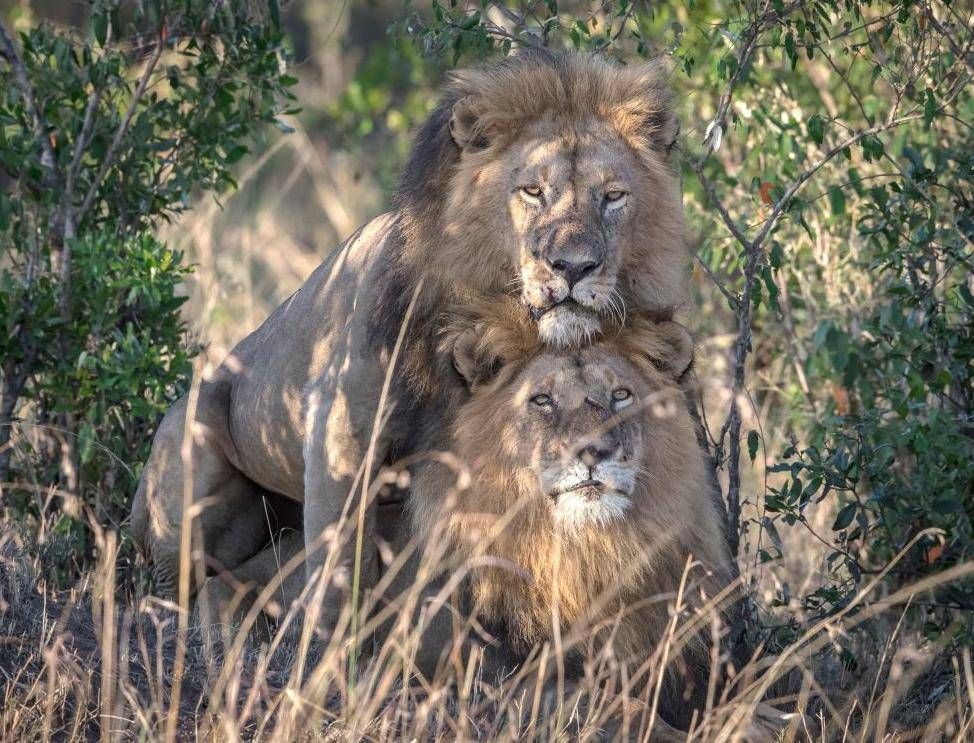
The True Story of the Tsavo Man-Eaters
The year was 1898. The British Empire had embarked on an ambitious project to build the Kenya-Uganda Railway, linking the East African coast to the shores of Lake Victoria. The section near Tsavo River became notorious not for its engineering challenges, but for an unthinkable predator problem.
Two massive male lions—remarkably, without manes—began stalking and attacking railway workers at night. They would drag men from their tents, vanishing into the bush with terrifying silence. The attacks were so relentless that hundreds of workers abandoned the site, bringing construction to a standstill.
The lead figure in this drama was Lieutenant Colonel John Henry Patterson, the railway’s chief engineer. Armed with his rifle and a fierce determination, Patterson set out to stop the lions. It took him nine months to finally bring both predators down—one in December 1898 and the other in March 1899.
While official records claim the lions killed around 35 people, local accounts suggest the number could have been much higher—possibly over 100. The lions’ bodies were later skinned, and their skulls and skins now rest in the Field Museum in Chicago, still drawing thousands of visitors each year.
The Mystery Behind the Lions’ Behavior
One of the most intriguing questions in African wildlife history remains: Why did these lions turn into man-eaters?
Several theories exist:
-
Tooth Damage and Injury – Scientific analysis of the skulls revealed one lion had a severe dental injury, making it difficult to hunt traditional prey.
-
Prey Shortage – A rinderpest outbreak in the 1890s decimated large herbivores like zebra and buffalo, forcing the lions to seek alternative food sources.
-
Human Habituation – With so many workers camped in the area, humans may have simply been the most available prey.
-
Cultural Knowledge – Local folklore suggests the Tsavo region had seen similar attacks before, meaning man-eating could have been a learned behavior.
This combination of environmental and health factors created the perfect storm for one of the most famous predator stories in history.
Tsavo National Park: The Modern-Day Setting
Fast forward over a century, and Tsavo has transformed from a place of fear to one of East Africa’s most celebrated conservation areas. Covering over 22,000 square kilometers, Tsavo is the largest national park in Kenya, divided into Tsavo East and Tsavo West.
Tsavo East National Park
-
Known for its vast open plains, red-dust-coated elephants, and the Galana River.
-
Famous landmarks: Yatta Plateau (the world’s longest lava flow), Lugard Falls, and Aruba Dam.
Tsavo West National Park
-
Rugged landscapes with volcanic hills, dense bush, and natural springs.
-
Highlights: Mzima Springs (crystal-clear waters home to hippos and crocodiles), Chaimu Crater, and the Shetani Lava Flows.
-
The area where the Man-Eaters’ attacks took place is preserved here, complete with historical markers.
Visiting Tsavo today means seeing thriving wildlife: lions (now shy of humans), elephants, giraffes, leopards, buffalo, and over 500 bird species. But the whispers of 1898 still echo through the bush, adding an unmatched historical thrill to every game drive.
The Tsavo Man-Eaters Lion History Tour Experience
This tour blends storytelling, wildlife viewing, and cultural exploration, taking you deep into the heart of Tsavo’s landscapes while retracing the steps of Colonel Patterson and the railway workers.
1. Man-Eaters Camp
Your journey begins at Man-Eaters Camp, a luxurious tented lodge set along the Tsavo River. Its name is no coincidence—this is the very site where the infamous attacks occurred. The camp features:
-
Riverside tents with modern comforts.
-
A memorial stone honoring those who lost their lives.
-
Guided storytelling sessions about the 1898 events.
2. Visit to the Man-Eaters Museum
Located near Tsavo Bridge, this small but captivating museum showcases:
-
Replica skulls of the lions.
-
Patterson’s rifle and historical photographs.
-
First-hand accounts from surviving workers.
3. Following the Railway Line
A highlight for history buffs is walking along the still-active railway bridge over the Tsavo River. Guides recount how Patterson hunted the lions, explaining his hideouts, traps, and close encounters.
4. Game Drives in Tsavo East and West
Your exploration isn’t just about history—this is a wildlife haven. On guided game drives, you may encounter:
-
Tsavo lions (with their characteristically short manes).
-
Herds of elephants dust-bathing in the red soil.
-
Rare species like the fringe-eared oryx, lesser kudu, and gerenuk.
-
Predators such as cheetahs and leopards.
5. Cultural Encounters
Meet local communities such as the Taita and Kamba people, learning their folklore surrounding the man-eaters and their deep connection to the land.
Why This Tour Stands Out
While Kenya offers countless safari experiences, the Tsavo Man-Eaters Lion History Tour is one of a kind because it:
-
Merges real historical events with present-day wildlife viewing.
-
Offers exclusive storytelling you won’t find in standard safaris.
-
Includes off-the-beaten-path adventures in areas less crowded than the Maasai Mara.
-
Appeals to photographers with dramatic landscapes and a unique historical angle.
Practical Travel Information
Best Time to Visit
-
June to October – Dry season, ideal for wildlife viewing and photography.
-
January to February – Another dry window with excellent game sightings.
-
Avoid heavy rains (April-May and November) if you want easier road access.
How to Get There
-
By Road: Tsavo is accessible via the Nairobi–Mombasa highway.
-
By Train: The modern Madaraka Express SGR follows the old railway route—perfect for tracing history.
-
By Air: Charter flights to airstrips in Tsavo East or West.
What to Pack
-
Light, breathable clothing (neutral colors).
-
Camera with zoom lens.
-
Binoculars.
-
Hat, sunscreen, and insect repellent.
-
A copy of Patterson’s The Man-Eaters of Tsavo for evening reading.
The Lasting Legacy
The story of the Tsavo Man-Eaters has been immortalized in books, documentaries, and even Hollywood films like The Ghost and the Darkness. But standing on the very soil where it happened, listening to the wind rustle through the acacia trees, is an experience beyond cinema.
It’s a reminder of a time when nature’s balance was fragile, and survival was a daily battle for both man and beast.
Today, Tsavo stands as a testament to coexistence and conservation. The descendants of those maneless lions still roam free, but now, rather than feared, they are respected and protected—symbols of Kenya’s wild heart.
Sample 4-Day Tsavo Man-Eaters Lion History Tour Itinerary
Day 1: Arrival and Tsavo River
-
Drive or take the train to Tsavo.
-
Check in at Man-Eaters Camp.
-
Evening storytelling session by the river.
-
Overnight at camp.
Day-2: Man-Eaters Museum & Tsavo West Game Drive
-
Visit the museum and railway bridge.
-
Afternoon game drive in Tsavo West.
-
Optional night drive to spot nocturnal wildlife.
Day 3: Tsavo East Exploration
-
Morning transfer to Tsavo East.
-
Visit Lugard Falls and Aruba Dam.
-
Sunset game drive with chances to spot big cats.
Day-4: Cultural Visit & Departure
-
Morning visit to a Taita village.
-
Learn folklore of the man-eaters.
-
Depart for Nairobi or Mombasa.
A Tour That’s More Than Just a Safari
The Tsavo Man-Eaters Lion History Tour is not just a wildlife adventure—it’s an immersive historical journey. It combines the thrill of tracking big game with the intrigue of one of Africa’s most gripping predator stories.
For travelers seeking something extraordinary, this experience offers the perfect blend of history, culture, and wilderness—all set against the backdrop of Kenya’s largest national park.

Talk to us
- Email:
- Phone line:
- Whatsapp: