

Uganda Rwanda Gorilla & Safari Tours
Uganda & Rwanda Gorilla & Safari Tours: The Ultimate Wildlife Adventure
When it comes to experiencing Africa’s most extraordinary wildlife, few destinations rival Uganda and Rwanda. Both countries offer lush landscapes, breathtaking scenery, and the once-in-a-lifetime chance to trek mountain gorillas in their natural habitats. From misty forests to sprawling savannahs, and from roaring waterfalls to serene lakes, a Uganda and Rwanda safari promises memories that last a lifetime. Whether you are an avid wildlife enthusiast, a keen photographer, or a traveler seeking an unforgettable adventure, a Gorilla & Safari tour here is the ultimate journey.
Why Uganda and Rwanda Are Africa’s Hidden Gems
Uganda and Rwanda are often overshadowed by larger African safari destinations such as Kenya and Tanzania. However, these two countries boast some of the richest biodiversity and most iconic wildlife experiences on the continent. Uganda, known as the “Pearl of Africa,” is home to over half of the world’s remaining mountain gorilla population. Rwanda, often called the “Land of a Thousand Hills,” offers pristine scenery and one of the most successful conservation stories in Africa.
Uganda: The Pearl of Africa

Uganda is blessed with diverse ecosystems, ranging from tropical rainforests to open savannahs. Visitors can trek through Bwindi Impenetrable Forest, home to mountain gorillas, or explore Queen Elizabeth National Park, which is famous for its tree-climbing lions. Lake Mburo National Park offers an intimate safari experience, with zebras, impalas, and hippos. Uganda’s warm and welcoming culture adds to the charm, with local communities often sharing their rich heritage with visitors.
Rwanda: The Land of a Thousand Hills
Rwanda’s rolling hills, volcanic mountains, and scenic lakes make it a visual delight. Volcanoes National Park is the centerpiece for gorilla trekking, with habituated gorilla families providing an extraordinary opportunity for close encounters. Akagera National Park, with its savannah landscapes and Big Five sightings, complements the lush green terrain of the northwestern mountains. Rwanda’s emphasis on conservation and eco-tourism makes every visit meaningful, knowing your presence supports wildlife preservation.
Gorilla Trekking: A Life-Changing Experience
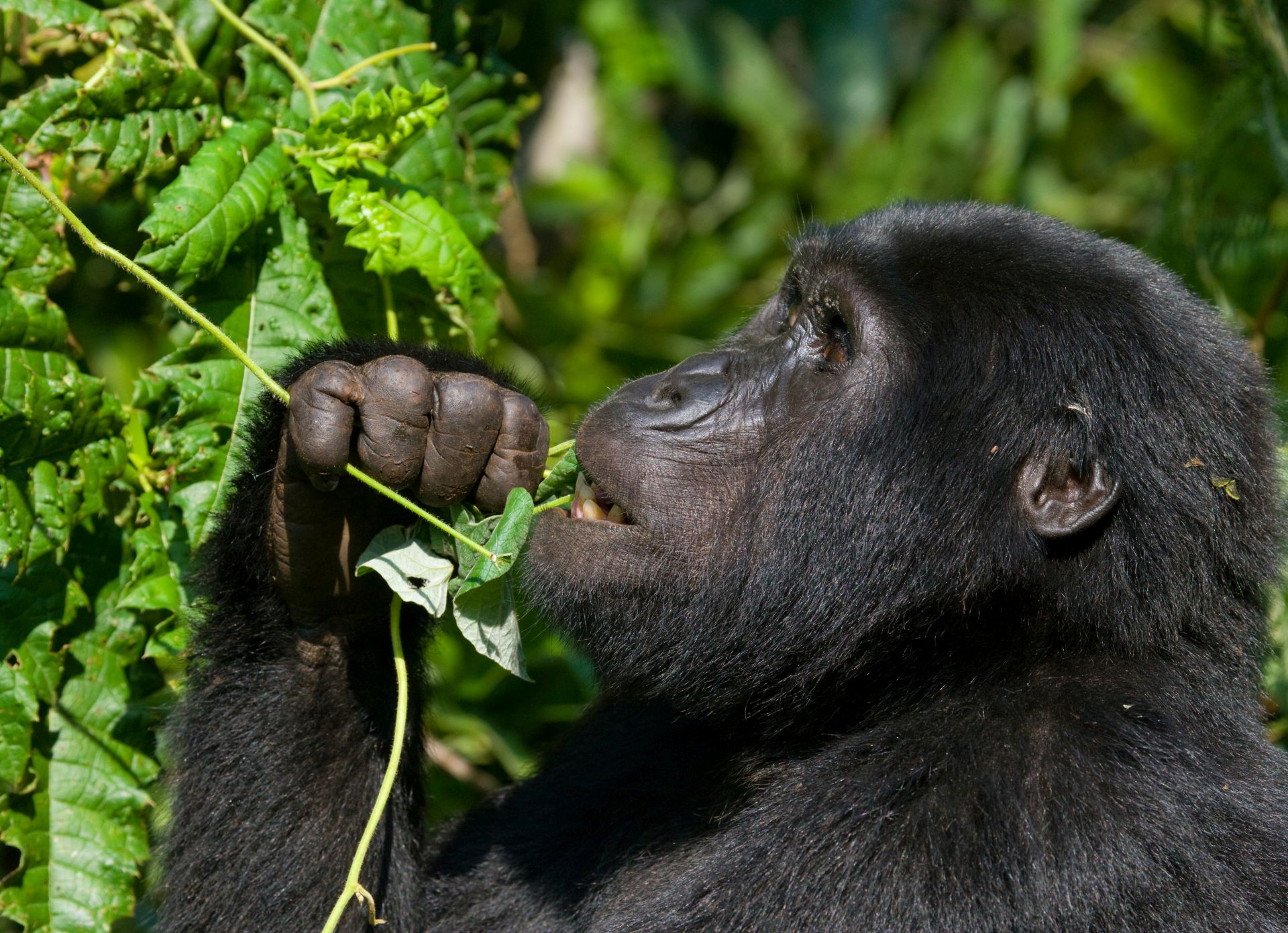
Gorilla trekking is the crown jewel of any Uganda and Rwanda tour. Tracking these gentle giants through dense forests is not just an adventure—it’s a deeply emotional experience.
Bwindi Impenetrable Forest (Uganda)
Bwindi is a UNESCO World Heritage Site and home to nearly half of the world’s mountain gorilla population. Trekking here is a physically engaging activity, as you navigate steep hills, muddy trails, and thick foliage. But the reward is unparalleled: spending an hour in the presence of gorillas, observing their behavior, and even seeing babies play. A knowledgeable guide provides insights into their habits, social structures, and the ongoing conservation efforts that protect these incredible creatures.

Volcanoes National Park (Rwanda)
Rwanda offers a similarly spectacular gorilla trekking experience. Volcanoes National Park’s gorilla families are accustomed to visitors, allowing for intimate encounters. The park’s scenic trails, lined with bamboo and ferns, create a dramatic backdrop for your trek. Beyond gorillas, Rwanda also offers golden monkey tracking, adding another layer of excitement for wildlife enthusiasts.
Tips for Gorilla Trekking
-
Book Early: Gorilla permits are limited and can sell out months in advance.
-
Physical Preparation: Trekking can be strenuous; a moderate fitness level is recommended.
-
Gear: Wear sturdy boots, long sleeves, and carry waterproof gear in case of rain.
-
Respect Wildlife: Keep a safe distance and avoid sudden movements or loud noises.
Safari Adventures Beyond Gorillas
While gorilla trekking is the highlight, Uganda and Rwanda offer exceptional safari experiences that showcase the Big Five, unique bird species, and stunning landscapes.
Queen Elizabeth National Park (Uganda)
Queen Elizabeth National Park is renowned for its diverse ecosystems, from savannahs to wetlands. Visitors can enjoy game drives spotting elephants, buffaloes, lions, leopards, and hippos. The park is also famous for its tree-climbing lions, a unique phenomenon that adds an unforgettable twist to your safari. A boat cruise along the Kazinga Channel offers the chance to see large herds of hippos and a variety of birdlife.
Lake Mburo National Park (Uganda)
Lake Mburo is smaller but equally charming, ideal for travelers seeking intimate encounters with wildlife. Zebras, impalas, and giraffes roam freely, while boat safaris allow close encounters with hippos and crocodiles. Guided walking safaris provide a closer look at the flora and fauna, offering insights often missed on a vehicle-based tour.
Akagera National Park (Rwanda)
Rwanda’s Akagera National Park is the perfect destination for a traditional Big Five safari. Rolling savannahs, lakes, and rivers make for a scenic backdrop as you track lions, leopards, elephants, rhinos, and buffalo. The park has undergone extensive conservation efforts and reintroductions, making it a success story of wildlife preservation. Game drives at sunrise or sunset are particularly magical, with wildlife more active in the cooler hours.
Cultural Encounters and Community Tourism
A tour to Uganda and Rwanda is not just about wildlife. Both countries have vibrant cultures and traditions that enrich your experience.
Uganda’s Local Communities
In Uganda, many tours include visits to local communities where travelers can witness traditional dances, crafts, and village life. The Batwa pygmies, one of Uganda’s oldest indigenous communities, offer a unique glimpse into forest-based living and survival skills. Engaging with local communities ensures your tourism contributes directly to sustainable development.
Rwanda’s Rich Heritage
Rwanda emphasizes cultural tourism, from traditional dances to genocide memorials that tell a poignant history of resilience and recovery. Visits to local markets and craft centers allow travelers to support artisans while learning about Rwandan traditions.
Adventure Beyond Wildlife
For thrill-seekers and nature lovers, Uganda and Rwanda offer more than just safaris and gorilla trekking.
Hiking and Volcano Climbing
Both countries are dotted with volcanic mountains that provide challenging yet rewarding hiking experiences. In Rwanda, the Virunga volcanic range allows trekkers to explore bamboo forests, crater lakes, and breathtaking viewpoints. Uganda’s Rwenzori Mountains, known as the “Mountains of the Moon,” offer rugged terrain and stunning alpine scenery.
Water Adventures
Lake Bunyonyi in Uganda is a serene spot for canoeing, kayaking, and boat trips. Its calm waters and surrounding hills make it one of Africa’s most picturesque lakes. Similarly, Rwanda’s Lake Kivu offers water sports, beach resorts, and scenic relaxation.
Birdwatching
Both countries are birdwatching paradises. Uganda boasts over 1,000 bird species, including the rare shoebill stork, while Rwanda is home to vibrant species in Volcanoes and Akagera National Parks. Enthusiasts will find themselves in heaven with binoculars in hand.
Planning Your Uganda & Rwanda Safari
A successful safari requires careful planning. Here are some key tips to ensure a smooth and unforgettable experience:
Best Time to Visit
-
Uganda: June to September and December to February are dry months, ideal for gorilla trekking and wildlife viewing.
-
Rwanda: June to September and December to February are also the best for gorilla trekking. Rainy seasons can make trekking trails slippery and more challenging.
Safari Packages
Tour operators offer a variety of packages, ranging from 5-day gorilla-focused treks to 10-day multi-national safaris. Packages often include accommodation, meals, park fees, transport, and expert guides. Choosing a reputable operator ensures safety, comfort, and maximum wildlife encounters.
Accommodation Options
Both countries offer a range of accommodations, from luxury lodges to eco-friendly campsites. In Bwindi and Volcanoes National Park, options include treehouse lodges and forest bandas, allowing for immersive jungle experiences. For savannah safaris, lodges overlooking lakes and watering holes provide front-row views of wildlife.
Health and Safety
Visitors should take malaria prophylaxis and carry insect repellent. Vaccinations for yellow fever may be required. Always follow guidelines from your tour operator and local authorities to ensure safety while in national parks.
Travel Logistics
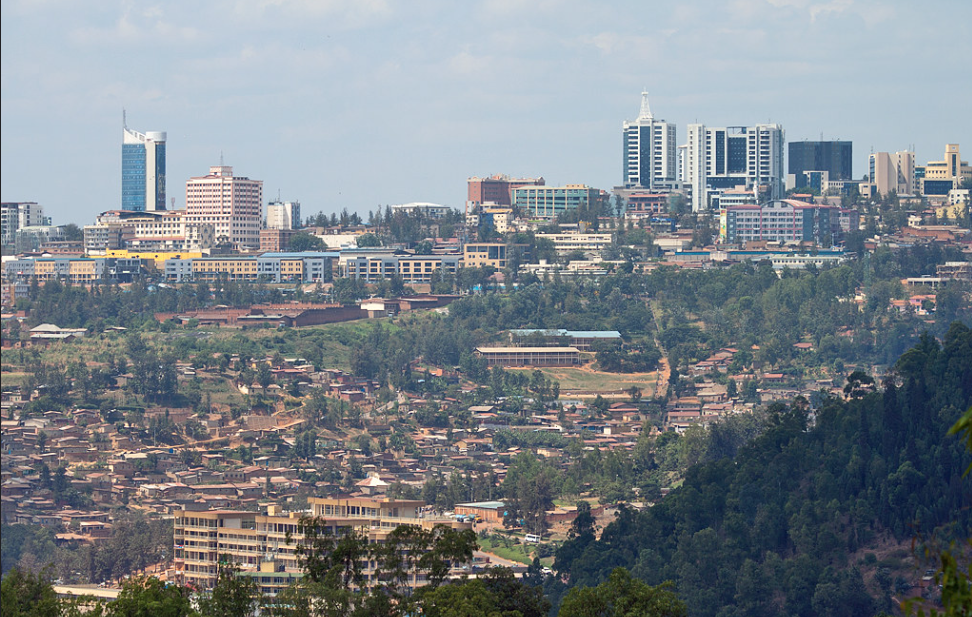
Kigali (Rwanda) and Entebbe (Uganda) are the main international gateways. Flights between these cities and domestic airstrips near national parks reduce long road travel. Road trips are scenic and allow for stops at interesting spots like the Equator, tea plantations, and cultural centers.
Responsible Tourism and Conservation
Uganda and Rwanda have strict regulations to protect wildlife. Gorilla trekking groups are limited to 8 visitors per gorilla family per day. Staying on designated trails, not feeding animals, and respecting local communities are critical. By choosing eco-friendly operators and supporting conservation initiatives, travelers play a direct role in protecting endangered species and fragile ecosystems.
Sample Itinerary: 10 Days Gorilla & Safari Adventure
Day 1: Arrive in Entebbe/Kigali. Transfer to accommodation and relax.
Day 2: Drive to Bwindi Impenetrable Forest (Uganda). Afternoon orientation.
Day 3: Gorilla trekking in Bwindi. Evening cultural performance by Batwa community.
Day 4: Travel to Queen Elizabeth National Park. Afternoon game drive.
Day 5: Boat cruise on Kazinga Channel. Wildlife photography session.
Day 6: Drive to Lake Mburo National Park. Evening sunset safari.
Day 7: Walking safari in Lake Mburo. Travel to Kigali, Rwanda.
Day 8: Drive to Volcanoes National Park. Explore the surrounding hills.
Day 9: Gorilla trekking in Volcanoes National Park. Optional golden monkey trek.
Day 10: Return to Kigali. City tour or shopping before departure.
This itinerary combines gorilla trekking, traditional safaris, and cultural immersion, ensuring a well-rounded experience.
Final Thoughts
A Uganda and Rwanda Gorilla & Safari Tour is more than a holiday—it’s a transformative experience. From the majestic mountain gorillas to the Big Five, from tranquil lakes to volcanic peaks, and from vibrant communities to unforgettable sunsets, every moment is designed to awe and inspire. Careful planning, ethical travel, and the right tour operator ensure that your adventure is seamless, safe, and enriching. Whether you are traveling solo, as a couple, or with family, the memories created on this safari will last a lifetime.
Embark on this incredible journey and witness Africa’s most extraordinary wildlife in some of the most breathtaking landscapes on the planet. Uganda and Rwanda are ready to welcome you with their warm hospitality, unforgettable adventures, and once-in-a-lifetime wildlife encounters.

Talk to us
- Email:
- Phone line:
- Whatsapp: