

What Are the Park Entry Fees for Serengeti National Park?
What Are the Park Entry Fees for Serengeti National Park?
So, What’s the Real Cost to Get Into Serengeti National Park?
If you’re planning a Tanzania safari, one of the first things you’ll probably ask is: how much does it actually cost to walk through those park gates? Lodges, flights, and game drives eat up a big chunk of your budget, sure. But park entry fees? Those are non-negotiable. Every single visitor has to pay them.
Knowing the numbers upfront means no ugly surprises later. And let’s be honest—the Serengeti is worth every penny. We’re talking the Great Migration, huge predator populations, and some of the most mind-blowing safari moments on earth. Your entry fee doesn’t just disappear, either. It goes straight to conservation, anti-poaching, road repairs, and protecting the wildlife.
How the Fees Break Down (It Depends on Who You Are)
Serengeti charges based on your residency. They split visitors into:
-
Non-residents (most international tourists)
-
Foreign residents living in East Africa
-
East African citizens and residents
-
Children
Most of you will pay the non-resident rate. One more thing: fees are usually good for a 24-hour window. Stay longer inside the park, and you’ll need to pay for another day. That matters a lot if you’re sleeping multiple nights in the Serengeti.
Current Prices for International Visitors
For non-resident tourists, here’s the standard daily conservation fee per person:
-
Adults (16+): US $70
-
Children (5–15): US $20
-
Under 5: Free
These are the main rates. During low season (roughly mid-March to mid-May), adult fees can drop to about US $60 per day. Most safari operators bundle these fees into their package prices, which is why you often don’t see them listed separately. Still, it never hurts to double-check.
Peak vs. Low Season – A Small Twist
This catches people off guard sometimes. The park uses seasonal pricing:
-
Peak season (mid-May to mid-March): Adults $70/day, kids $20/day
-
Low season (mid-March to mid-May): Adults $60/day, kids $20/day
Not a huge difference, but during the wetter months, you might save a little.
What If You’re from East Africa?
Then you’re in luck. Citizens of Tanzania, Kenya, Uganda, Rwanda, Burundi, and South Sudan pay way less. Just show a valid ID.
-
East African adult: About TZS 10,000
-
East African child: About TZS 2,000
-
Under 5: Free
These low rates are designed to help local people enjoy their own incredible backyard.
Where Does Your Money Actually Go?
Ever wonder what you’re paying for? Here’s the real answer:
-
Wildlife protection: Lions, leopards, elephants, rhinos, and millions of wildebeest need guarding. Your fee helps stop poachers.
-
Road maintenance: The park covers nearly 15,000 square kilometers. Those safari tracks don’t fix themselves—especially after heavy rains.
-
Ranger patrols: Rangers keep animals safe, monitor ecosystems, and look after visitors.
-
Research: Scientists track wildlife movements and habitat changes. All of that costs money.
Are Entry Fees Included in Safari Packages?
Usually, yes. Most tour operators roll park fees into the total price. But here’s the golden rule: always verify before you book.
Some budget operators advertise a low base price, then add park fees later. So just ask your provider straight up: Does your price include park entry fees, concession fees, vehicle fees, camping fees, and ranger fees? A little clarity now saves headaches later.
What’s a Concession Fee?
People mix this up with park entry fees all the time. They’re different.
A concession fee is charged when you actually sleep overnight inside the park (lodges, tented camps, etc.). Think of it as an extra overnight charge.
Typical range for non-residents:
-
Adults: $50–60
-
Children: $10
-
Under 5: Free
Sleep outside park boundaries? You usually won’t pay this.
Vehicle Entry Fees (for Self-Drivers)
If you’re doing a self-drive safari, vehicle charges are based on vehicle size, seat count, and registration. Tour companies handle this automatically on guided trips. Self-drivers should check the current vehicle tariffs before arriving at the gate.
Do Day Visitors Pay Less?
Not really. The fee is per 24 hours, not per hour. Come for two hours or a full day—it’s the same price. So you might as well stay and enjoy it.
Why Is Serengeti More Expensive Than Other Parks?
Because it’s one of the most breathtaking wildlife destinations on Earth. And keeping it that way isn’t cheap.
Let’s break down what you’re really paying for.
Incredible animal density
This isn’t a place where you drive for hours hoping to spot a giraffe in the distance. In the Serengeti, predators and prey are everywhere—lions lounging on rocky outcrops, leopards dozing in acacia trees, elephants crossing your path like they own the road (spoiler: they do). You’re paying for front-row seats to nonstop action.
The Great Migration
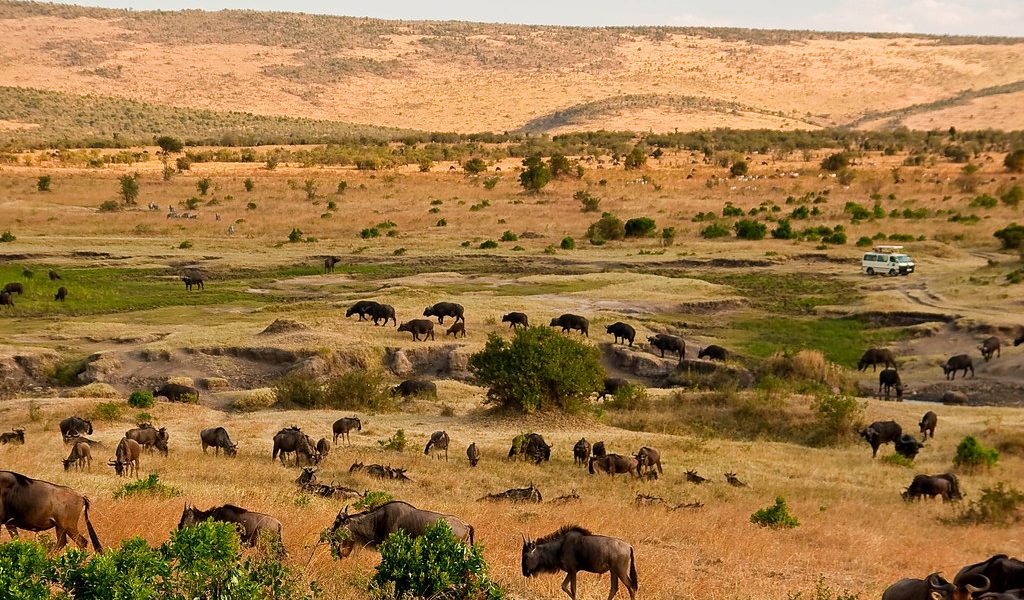
Over a million wildebeest and hundreds of thousands of zebras, thundering across the plains in a living, swirling river of hooves and dust. It’s nature’s greatest show, and it doesn’t happen on a schedule. The Serengeti is the main stage. That kind of spectacle comes with a price tag—and honestly, it’s worth every penny.
Huge conservation needs
A park this big—nearly 15,000 square kilometres—requires rangers, vehicles, anti-poaching units, aircraft patrols, and community outreach programs. Managing a wilderness of this scale costs serious money. Those park fees? They’re not a tax. They’re a lifeline for lions, elephants, and wild dogs.
Global demand
People fly in from Tokyo, New York, London, and Cape Town. Every continent sends its dreamers to the Serengeti. High demand naturally drives prices up. But here’s the thing: that demand also proves the park’s value. You’re competing for a spot in one of the world’s most extraordinary places.
A little truth from someone who’s been there
Yes, a Serengeti safari is expensive.
But expensive doesn’t mean overpriced.
It means protected. It means preserved. It means your grandchildren will get to feel that same lump in their throat the first time they see a lioness stretch in golden evening light.
So don’t look for the cheapest option.
Look for the smartest one. Travel in the low season. Share a vehicle. Camp outside the park. Book longer trips. Cut costs where it’s smart.
How to Save on a Safari (Without Harming Conservation)
Some safari costs are fixed—like park entry fees. But you can still lower your overall expenses. Here’s how real travelers do it.
1. Travel in the low season
Fewer tourists. Lower lodge prices. Even entry fees may drop.
You’ll also enjoy greener landscapes and active wildlife. The low season is a smart, budget-friendly choice.
2. Share a safari vehicle
Join a group instead of booking a private jeep.
You split the cost of the driver and fuel. Plus, sharing the experience with others often makes the adventure more fun.
3. Camp or stay outside the park
Staying inside can add high concession fees.
Choose a nearby campsite or lodge just outside the border. You’ll save significantly—and still hear the wild at night.
4. Book longer, multi-park trips
A 7-day trip across two or three parks often costs less per day than a short, one-park safari.
You see more animals, cover more ground, and get better value.
Remember: Park Fees Are Not a Tax
Those fees you pay at the gate? They don’t disappear into a government fund.
They pay for anti-poaching patrols, ranger salaries, and habitat conservation.
They keep the Serengeti wild, safe, and breathtaking.
Not just for you.
For your kids. And their kids.
So yes, look for savings. Travel smart. Share your ride.
But pay your park fees with pride. That’s how the circle of life stays unbroken.
Serengeti entry fees are just part of the deal. International visitors should expect to pay about $70 per adult per day, with kids costing much less (and under-5s free). Add-ons like concession or vehicle fees may apply depending on where you stay and how you travel.
Sure, the fees might feel a bit steep at first glance. But look at it this way: you’re helping protect one of the most extraordinary wildlife places on earth—from the Great Migration to the lions to those endless golden plains. And honestly? That’s money well spent.

Talk to us
- Email:
- Phone line:
- Whatsapp: