

What Is Fly Camping, and Is It Available in Tanzania?
What Is Fly Camping, and Is It Available in Tanzania?
If you are looking for a safari experience that takes you past the usual lodges and those classic tented camps, fly camping might be exactly what you want. It is one of the most immersive things you can do in the African wilderness, in the sense that you spend a night or two really deep in the bush, with very little infrastructure around you and a strong, almost direct connection to nature.
A lot of travelers heading to Tanzania have never heard of fly camping until they start digging into research for those special safari options. The moment they find out about it, it often turns into one of the most remembered pieces of the whole trip. Sleeping under canvas, gathering near a campfire, and hearing lions roar far off at night… yeah, that combo feels very different compared to staying inside a luxury safari lodge.
The good news is that fly camping is available in Tanzania, and is basically offered in a few of the country’s most renowned wildlife spots.
What Is Fly Camping?
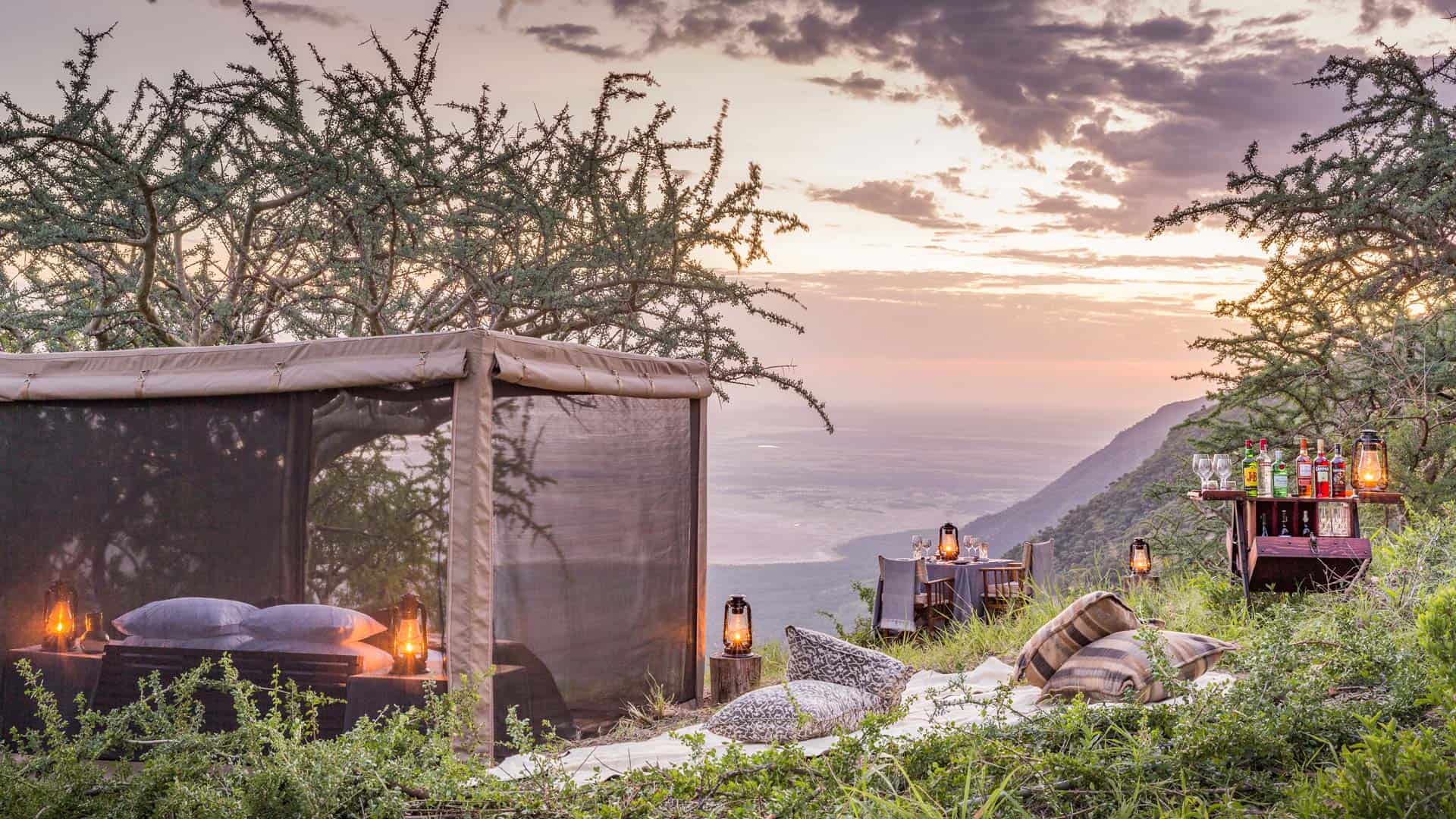
Fly camping is kind of a simple, temporary safari camp, thrown up in a remote wild place. Unlike those permanent lodges or full tented operations, a fly camp is made to keep the environmental footprint low, but still make it possible for guests to feel close to the surrounding landscape, as if it is right there with you.
Usually, a fly camp comes with lightweight tents, comfy bedding, a fire spot area, a bush-style dining setup, and straightforward bathroom facilities. It is not really about luxury stuff like swimming pools, air conditioning, or huge dining rooms. The idea is more about experiencing the wilderness in a very direct way, without all the extra layers.
People say “fly camping” goes back to the early days of African safaris, when travelers had to keep moving and they would set up temporary camps along the route. Today’s fly camps keep that same restless adventure vibe, but they also bring in proper safety steps and some practical comfort.
Is Fly Camping Available in Tanzania?
Fly camping is kind of a simple, temporary safari camp, thrown up in a remote wild place. Unlike those permanent lodges or full tented operations, a fly camp is made to keep the environmental footprint low, but still make it possible for guests to feel close to the surrounding landscape, as if it is right there with you.
Usually, a fly camp comes with lightweight tents, comfy bedding, a fire spot area, a bush-style dining setup, and straightforward bathroom facilities. It is not really about luxury stuff like swimming pools, air conditioning, or huge dining rooms. The idea is more about experiencing the wilderness in a very direct way, without all the extra layers.
People say “fly camping” goes back to the early days of African safaris, when travelers had to keep moving, and they would set up temporary camps along the route. Today’s fly camps keep that same restless adventure vibe, but they also bring in proper safety steps and some practical comfort.
What Is a Typical Fly Camping Experience Like?
A typical fly camping experience kind starts with a guided walk, or sometimes a game drive, that goes away from the main camp. With experienced guides alongside you, the group heads into some quieter, more remote bush area where a temporary setup is already there, prepared in advance.
When you arrive, it feels simple but still comfortable. Depending on the operator, the stay might come as lightweight dome tents, safari cots, mattresses, sleeping bags, or a more open-air sleep plan protected by mosquito nets. Sometimes it’s the kind of “you’re right there” arrangement which sounds rustic but is still meant to be cosy.
As night moves in, people normally gather near a campfire. The guides talk, share local stories, and go over what wildlife was seen earlier that day. Dinner is often cooked over an open fire, then served outside under the stars, like outdoors is the whole point of the thing.
How Comfortable Is Fly Camping?
While fly camps are sort of simpler than lodges, most operators still manage to offer facilities that feel… surprisingly comfortable. Guests will usually get proper bedding, camp chairs, freshly prepared meals, drinking water, and some basic washing facilities, not too fancy, but enough. A few camps even add private bush bathrooms and hot bucket showers, like it’s totally normal.
How comfy it all feels depends a lot on the operator and the destination. Some fly camps really lean into authenticity and simplicity, while others mix the whole adventure vibe with a slightly higher level of comfort, more cosseting in a way.
This is not about “luxury” just for the sake of it. The point is bringing you closer to nature, but still making sure you can rest easy and enjoy the whole experience properly.
Which Parks Are Best for Fly Camping in Tanzania?
The Serengeti National Park has one of Tanzania’s more iconic fly camping experiences. You get walking safaris mixed in with those remote camps, so people can feel the ecosystem on foot, but still be kept away from the more crowded game viewing zones.
Used to be part of the Selous Game Reserve, Nyerere National Park is one of the better places for fly camping across East Africa. The park is absolutely huge, and visitor numbers are relatively low, so the whole situation feels like a genuine wilderness kind of thing, for wandering and small adventures.
Ruaha national park has rugged terrain, baobab-dotted scenery, and a lot of wildlife, which makes it a solid pick for travelers who want a real bush experience. Here, fly camping is often paired with guided walking safaris; somehow, it just works.
Tarangire national park is famous for elephants and giant baobab trees, and it also includes a few fly camping options that give you another viewpoint compared to typical game drives. It’s a different tempo overall.
Is Fly Camping Safe?
Professional safari operators take safety super seriously. Camps are chosen with care, guides are very well trained, and a lot of walking safaris are led by armed rangers or experienced professional guides, not just anyone. Guests get clear directions about how to move about the camp and also how to deal with wildlife in a calm, respectful way.
Wild creatures can sometimes drift close to camp, but any encounter is handled with tight safety protocols that were built over decades of safari operations.
For most travelers, it feels more like a thrill, an adventure, than an outright dangerous situation.
Who Should Consider Fly Camping?
People who enjoy outdoor adventures.
Photographers seeking unique wildlife experiences.
Repeat safari visitors are looking for something different.
Travelers interested in walking safaris.
It may not be the best choice for those who prefer luxury accommodations, extensive facilities, or predictable schedules.
When Is the Best Time for Fly Camping?
The dry season is generally considered the best time for fly camping in Tanzania, as it feels more agreeable and all. During these months, the trails get easier to navigate, wildlife is easier to spot, and the weather, overall, stays more predictable.
For most destinations, the prime period runs from June through October. Some operators also offer fly camping into November, depending on the local conditions, of course.
Fly camping is kinda one of the most authentic safari experiences in Tanzania you can find, it sort of strips away a lot of the comforts and distractions from modern travel, and it swaps them for something more vivid, like direct access to the wild , not just passing by it. In the end it feels way more memorable because you’re actually in the wilderness and not stuck behind schedules or routines.

Talk to us
- Email:
- Phone line:
- Whatsapp: