

What Is the Success Rate for Seeing Gorillas on a Trek?
What Is the Success Rate for Seeing Gorillas on a Trek?
I Went Gorilla Trekking: Here is What Nobody Tells You About the Success Rate
If you are like I was six months ago, you have probably saved up for years, booked your flights to Africa, and then lay awake at 2 AM with that one scary question: What is the success rate for seeing gorillas on a trek? You are worried you will spend all that money to walk in the rain and come home empty-handed. Let me put your mind at ease right now. The official numbers range from 95% to 98%. That is almost every single person who puts on hiking boots. The rangers know these families personally. They talk to trackers who sleep near the forest. Unless a family moves across a border overnight (rare), you will find them. I met a 72-year-old woman from Texas on my trip who did it with a walking stick. If she can do it, you can.
What to Actually Expect
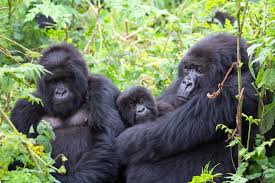
Forget the Instagram reels. You will be muddy. You will be tired. The alarm goes off at 4:30 AM, and you will wonder why you did this. But then you drive to the park headquarters, and the energy shifts. You get assigned a gorilla family based on your fitness level. This is key—be honest with your guide. If you say you are a hiker, but you are not, you will be crying on a steep volcano at 8,000 feet. The walk can be 45 minutes or five hours. My group found the Susa group in Rwanda after exactly two hours of slipping on wet leaves. And that moment? When you hear the first crack of a breaking branch and see a black back moving through the bamboo? Nothing in your normal life compares to that.
Which Animals Might Sneak Up on You
The gorillas are the headliners, but the supporting cast will steal your heart. Look up often, because the golden monkeys are little fireballs of chaos. They leap between branches so fast you will miss them if you blink. I also spotted a three-horned chameleon crossing the trail—it moved like a tiny dinosaur. You might hear chimpanzees calling in the distance, though they are shy. Forest buffalo exist here, too, but keep your distance. A friend of mine saw a giant forest hog rooting in the mud, and honestly, it was almost as impressive as the gorillas. The real joy is the birds. Look for the Rwenzori turaco; it has green and red feathers that look fake, as a child colored them in.
The Cultural Part That Made Me Cry
I did not expect the people to hit me as hard as the animals. After our trek, we visited a village near the park boundary. A local woman invited us into her home to watch her make banana beer. She laughed at how sour we thought it was. Then we met members of the Batwa community, the original forest dwellers. They cannot live inside the park anymore to protect the gorillas, but they still hold the old knowledge. They taught us how to start a fire without matches and sang a song about the forest that gave me goosebumps. You realize that conservation is complicated. But buying a handmade basket directly from a family? That feels like a small, good thing. Do not skip this part of the trip. The gorillas heal your heart, but the people wake up your conscience.
When to Go for the Best Weather (and Cheaper Prices)
June through September is the busy season. The trails are dry, dusty, and easier to walk. You will see blue skies above the bamboo. But you will also pay more for flights and lodges. Here is my advice: go in the rainy season. March, April, October, and November are wetter, but here is the truth nobody tells you—what is the success rate for seeing gorillas on a trek? It stays the same in the rain. The gorillas do not own umbrellas. They go about their day. I went in November. Yes, my boots were soaked. Yes, I slipped twice. But the forest was greener than any postcard, and I had the trails almost to myself. Plus, lodges drop their prices by 30% or more. Pack a good rain jacket and gaiters. You will be fine.
Where to Sleep: Cabins, Camps, and Luxury Tents
You do not need to spend a fortune to be comfortable. On the high end, places like Bisate Lodge in Rwanda feel like staying inside a work of art—huge dome-shaped rooms overlooking a volcano crater. But I stayed at a mid-range option called Ichumbi Gorilla Lodge. It was 150 an hour. My bed had a hot water bottle tucked inside at turn-down. The food was simple but warm: soup, rice, and fresh vegetables. For budget travelers, look at community bandas (traditional huts) right at the park gates.Theyare20 a night. Shared bathrooms. But you fall asleep to the sound of the forest, and you wake up five minutes from the trailhead. That convenience is worth gold. The only mistake is staying too far from the park. Do not book a hotel two hours away. You will hate the drive at 4 AM.
So, Should You Book the Trip?
Here is the final answer to that question you keep googling: What is the success rate for seeing gorillas on a trek? It is as close to a guarantee as nature ever offers. But success is not just about the sighting. Success is the feeling of sitting in the mud, six feet from a silverback who is eating a thistle, and realizing he does not care about your job, your worries, or your phone. For one hour, you are just another animal in the forest. And that changes you. Book the permit. Buy the hiking pants. Go see the gorillas. You will be telling this story for the rest of your life.

Talk to us
- Email:
- Phone line:
- Whatsapp: