

What’s Included in a Tanzania Group Safari Package?
What’s Included in a Tanzania Group Safari Package?
The first time I booked a group safari, I spent hours trying to decode what “full board” actually meant.
Was it all meals? What about drinks? Did they include park fees or was that extra? I remember sitting at my kitchen table with a calculator, a growing sense of frustration, and five different tour brochures spread out in front of me like I was planning a military operation.
One brochure said “all inclusive.” Another said “full board.” A third had a long list of inclusions that seemed to cover everything except my flight and tips. And a fourth was so vague I couldn’t tell if I was paying for a safari or just a really expensive car ride through the bush.
I ended up calling three different tour operators, each of whom gave me slightly different answers. One told me drinks were included. Another said only water. A third said nothing was included except the vehicle and the guide, and I’d have to pay for everything else separately.
It was exhausting.
After a few trips, I’ve learned that most Tanzania group safari packages follow a similar pattern when it comes to inclusions. The trick is knowing what to look for and what questions to ask before you hand over your credit card.
Let me walk you through everything I wish someone had told me before I booked my first group safari.
The Core Essentials
Let me start with what’s almost always included, because that’s the easy part.
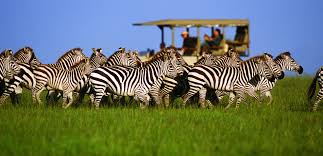
First, transport. You’re not going to be driving yourself around the Serengeti in a rented sedan. The safari vehicle is usually a custom 4×4 with a pop-up roof that lets you stand up and get a full 360-degree view of the wildlife around you. These vehicles are built for the bush. They have large windows, comfortable seats, and enough space for everyone to have a good view. Most of them come with charging sockets so your camera and phone don’t die halfway through the day, and a fridge or cooler stocked with bottled water and sometimes soft drinks. And yes, you’ll get a window seat. No one is stuck in the middle with no view.
The vehicles are designed for rough terrain. They have high ground clearance, heavy-duty suspension, and tires that can handle the rocky roads and muddy tracks you’ll encounter in the parks. The pop-up roof is a game changer—when you stand up through it, you get an unobstructed view of the savannah stretching out in every direction. You can see animals that would otherwise be hidden by the vehicle’s sides, and you can take photos without glass or reflections getting in the way.
Second, your driver-guide is part of the package. This is not just someone who knows how to drive a 4×4. These men and women are professionals who know the parks inside out. They can track animals by footprints and droppings, know where the prides of lions tend to hang out, and can usually spot a leopard from half a mile away while you’re still squinting at bushes trying to figure out if that’s a rock or a sleeping cat.
They’re also the ones who keep you safe, telling you when to stay in the vehicle and when it’s safe to stand up for a better view. A good guide makes the difference between a good safari and an unforgettable one. I’ve had guides who could name every bird we saw, explain the behavior of every animal, and share stories about the parks that you’d never find in a guidebook. I’ve also had guides who were mostly quiet, letting the wildlife speak for itself. Both approaches can work, but the best guides find a balance—they know when to talk and when to let the silence do the work.
Third, park entrance fees are typically included. This is a big one. Tanzania’s national parks charge per person per day, and these fees can add up quickly. The Serengeti alone costs around seventy dollars per person per day just to enter. Ngorongoro Crater is similar. If you’re visiting multiple parks over a week, that’s hundreds of dollars in gate fees alone. Good packages include them upfront so you’re not constantly handing over cash at every entrance gate.
Some packages also include the Crater service fee if you’re visiting Ngorongoro, which is an additional charge that covers the cost of maintaining the roads and facilities inside the crater. This fee is separate from the park entrance fee and can add another fifty to seventy dollars to your daily cost. Always check if this is included—some operators list it separately, and it can catch you off guard if you’re not paying attention.
Fourth, accommodation and meals are bundled in. Most packages are full board—breakfast, lunch, and dinner. You’ll stay in lodges, tented camps, or hotels depending on the package level. The food is usually good, often served buffet-style with enough variety to keep everyone happy. It’s designed to fuel you up for long days in the bush.
Breakfast is usually early—often before sunrise because the best game viewing happens in the early morning when the animals are most active. You’ll grab a quick meal before heading out, sometimes with a packed lunch to eat at a picnic site inside the park. Dinner is back at the lodge or camp, where you’ll share stories of the day’s sightings with your fellow travelers over a hot meal. There’s something special about sitting around a campfire or dining under the stars, recounting the day’s adventures with people who’ve just shared the same experience.
Fifth, drinking water during game drives is usually provided. Staying hydrated is essential in the African heat, and reputable operators keep bottled water flowing in the vehicle throughout the day. Some even provide reusable bottles that you can refill at the lodges, which is better for the environment. I’ve been on safaris where the guide refilled our water bottles multiple times a day, making sure we never ran out. Dehydration is a real risk on safari, and good operators take it seriously.
The Accommodation Question
Here’s something that confuses a lot of first-time safari travelers. “Lodge” doesn’t mean the same thing everywhere. In Tanzania, a lodge can range from a permanent structure with en-suite bathrooms, hot showers, and a swimming pool, to a semi-permanent tented camp with proper beds, solar lighting, and shared bathroom facilities.
Most group safaris use mid-range lodges and tented camps. These are comfortable but not luxurious. You’ll have a bed with sheets, a mosquito net, and access to showers and flushing toilets. Some have generators that run electricity for a few hours in the evening, but don’t expect 24-hour power or reliable Wi-Fi. That’s part of the experience. You’re there to disconnect and be in the bush.
The tented camps are particularly special. You’re sleeping in a canvas tent with a proper bed, a wooden floor, and an en-suite bathroom. At night, you can hear the sounds of the bush—hyenas whooping, lions roaring in the distance, the rustle of something moving just outside your tent. It’s thrilling and a little terrifying, but it’s also one of the most authentic safari experiences you can have.
A few group safaris use budget camping options where you sleep in basic tents and use shared facilities. These are significantly cheaper but require a more adventurous spirit. You’ll be closer to the sounds of the bush at night, which can be thrilling or terrifying depending on your disposition. I’ve done budget camping safaris and loved them, but they’re not for everyone. If you’re someone who needs a hot shower and a comfortable bed at the end of a long day, splurge for the mid-range or luxury options.
And then there are the luxury group safaris. These use high-end lodges and permanent tented camps with en-suite bathrooms, hot water on demand, gourmet meals, and sometimes even plunge pools. The price difference is significant, but so is the comfort level. You’ll have electricity 24/7, Wi-Fi in the common areas, and staff who cater to your every need. The food is often exceptional, with multi-course dinners and a good wine selection. If you’re celebrating a special occasion or just want to treat yourself, luxury is worth considering.
What’s Usually Left Out
Now for the part that catches most people by surprise. The “not included” list is often longer than what’s included, and it’s worth understanding before you book.
International flights are almost never included. You get yourself to Tanzania—usually flying into Kilimanjaro International Airport near Arusha, or sometimes Julius Nyerere International Airport in Dar es Salaam if your safari includes the southern parks. You’re responsible for booking your own flights and arranging any domestic connections if the itinerary includes them.
Visa fees and travel insurance are on you. Tanzania requires a visa for most nationalities, and you’ll need to arrange it before you arrive or get one on arrival at the airport. Travel insurance is often mandatory, and reputable operators will require proof of insurance before they confirm your booking. Make sure your insurance covers medical evacuation, because if something goes wrong in the middle of the Serengeti, you’ll need to get to a hospital in Arusha or Nairobi quickly.
Tips and gratuities are rarely included. This catches so many people off guard. Your guide, your driver, and the lodge staff all rely on tips. It’s a significant part of their income. The going rate for guides is usually about ten to fifteen dollars per person per day. Camp staff get a similar amount. It adds up, so budget for it. I’ve seen travelers arrive without tipping money and end up scrambling to find cash at the last minute. Don’t be that person. Plan ahead and bring enough cash for tips.
Drinks beyond water are usually extra. Sodas, alcoholic beverages, and sometimes even bottled drinks at meals are excluded from the package price. Unless the package specifically says “all drinks included,” assume you’re paying for that beer at sunset or that glass of wine with dinner. Some high-end packages do include drinks, but they’re the exception. I’ve learned to budget for a few drinks each day—nothing extravagant, but enough to enjoy a sundowner while watching the sunset over the savannah.
Personal expenses like laundry, souvenirs, and phone calls are out of pocket. If you want to buy that beautiful Maasai blanket or that carved wooden animal, you’ll need to pay for it yourself. Same for phone calls or Wi-Fi access, which is often spotty and expensive when available. Laundry services at lodges are convenient but pricey—I usually pack enough clothes to avoid needing them.
Optional activities are also add-ons. A hot air balloon safari over the Serengeti costs several hundred dollars and is almost never included in the base package. Cultural visits to Maasai villages or walking safaris are also usually extra. If there’s something you really want to do, check if it’s included or if you’ll need to pay separately. I’ve done the hot air balloon safari twice, and it’s worth every penny, but it’s definitely a splurge.
What Can Vary Between Operators
Here’s where different tour operators start to separate themselves. Some packages include extras that others don’t, and that’s often where the value difference comes in.
Emergency medical evacuation cover is sometimes included and sometimes not. Some operators have partnerships with companies that provide evacuation services, and they include this as part of the package. Others leave it entirely up to you. It’s worth checking because if you need to be airlifted out of the bush, the cost is substantial. I always check this before booking—it’s one of those things you hope you never need, but you’ll be grateful for if you do.
Special inclusions like spa treatments, welcome gifts, or hot air balloon rides show up in luxury packages. One high-end option might include a thirty-minute spa treatment per person. Another might offer a hot air balloon ride over the Serengeti, which is a spectacular experience but definitely a premium add-on. These extras can make a luxury package feel truly special, but they also drive up the price significantly.
Some packages include group experiences like private dinners under the stars or exclusive excursions to parts of the parks that other tourists don’t visit. These are usually reserved for smaller or more expensive groups. I’ve had a private dinner under the stars in the middle of the Serengeti, and it was one of the most magical experiences of my life—but it came with a price tag to match.
A few operators include flights between parks, especially if you’re visiting the Serengeti and then heading to the coast for a beach extension. This saves you a long drive but adds to the cost. If you’re short on time, this can be worth it. If you’re on a budget, the drive is longer but cheaper.
And then there are the welcome gifts. Some operators give you a safari hat, a water bottle, or a duffel bag when you arrive. It’s a small touch, but it’s a nice way to start your trip. I still use the water bottle I got on my first safari—it’s a practical souvenir that reminds me of the experience every time I use it.
The Group Size Question
The size of your group affects what’s included in surprising ways. Most group safaris cap at four to eight travelers per vehicle, which keeps things personal and ensures you’re not fighting for space. Some larger departures may have multiple vehicles and a dedicated safari host who manages the logistics, but the per-vehicle experience usually stays intimate.
Smaller groups often have more flexibility. If you spot something interesting, you can stop and watch for as long as you want. Larger groups tend to stick to a schedule because there are more people to coordinate. I’ve been in groups of four and groups of eight, and I have to say, the smaller groups felt more relaxed. There was less pressure to move on, and we could spend as much time as we wanted watching a lion pride or a herd of elephants.
The vehicle itself is usually designed for the maximum group size. A six-person safari vehicle is the most common size—three rows of seats, each with a window and a roof hatch. Everyone gets a good view. If the group is smaller than the vehicle’s capacity, you’ll have extra space, which is always nice.
Luxury group safaris often have even smaller groups—sometimes just four people per vehicle, which means more space and a more exclusive feel. If you can afford it, this is the way to go. You’ll have more room to move around, and the experience feels more private.
Making Sense of It All
When you’re comparing packages, look at what’s included as much as what’s not. A cheaper price might seem appealing, but if park fees and meals are excluded, you could end up spending more than you planned.
Ask the operator for a detailed list of inclusions. Don’t assume that “full board” includes drinks, or that “all park fees” includes the Crater service fee. Ask specifically. I’ve learned to go through the list line by line and clarify anything that’s unclear. It takes a few extra minutes, but it saves you from unpleasant surprises later.
Check if the price is per person based on double occupancy. If you’re traveling solo, there might be a single supplement fee. This can add a significant amount to the cost, so it’s worth checking before you book.
Read reviews from previous travelers. People who’ve been on the trip before will tell you if the inclusions were honest or if they felt nickel-and-dimed along the way. I always check reviews on multiple platforms before booking. The experiences of past travelers are often the best indicator of what you’ll actually get.
And finally, consider what kind of experience you want. If you want everything arranged and no surprises, look for a premium package that includes as much as possible. If you’re on a tighter budget, be prepared for some add-ons and bring extra cash for tips and extras.
Thought
At the end of the day, a group safari is a shared adventure. You’re pooling resources with strangers who become friends over the course of a few days in the bush. The inclusions matter, but so does the experience itself.
I’ve been on safaris where the food was mediocre but the wildlife was extraordinary. I’ve been on safaris where the accommodation was basic but the guide was the best I’ve ever had. And I’ve been on safaris where I paid extra for things I didn’t realize weren’t included and still considered every penny worth it.
The key is going in with your eyes open. Know what you’re paying for. Know what you’re not. And budget accordingly.
And if you forget to bring tip money, don’t worry. The lodges will happily give you an advance on your credit card.
Or so I’ve heard.

Talk to us
- Email:
- Phone line:
- Whatsapp: