

When Is The Best Time Of The Year To Join a Group Safari In Tanzania
When Is The Best Time Of The Year To Join a Group Safari In Tanzania?
When people begin planning a safari in Tanzania, excitement usually arrives long before the actual trip does. You start imagining the experience without even realizing it. Maybe you picture yourself driving across wide open plains while the morning sun slowly rises. Maybe you imagine spotting elephants in the distance or seeing a lion resting under a tree after only ever watching these moments on television. A safari has a way of making people feel excited even during the planning stage.
Then reality steps in with a question almost every traveler eventually asks: When should I actually go?
It is a fair question because timing can shape the entire experience. Weather changes throughout the year. Landscapes look different from one season to another. Wildlife moves, parks feel busier or quieter, and even the overall atmosphere of a safari can shift depending on when you visit.
So naturally, people want to know the best time of the year to join a group safari in Tanzania.
The interesting thing is that many travelers expect one easy answer. They hope someone will simply say, “Go in this month,” and settle the matter. But Tanzania is not that simple, and honestly, that is part of its beauty.
Different seasons offer different experiences, and what feels perfect for one traveler may not feel perfect for another.
Tanzania Never Really Stays The Same
One of the things people quickly discover about Tanzania is that it constantly changes.
The landscapes you see during one month can feel completely different a few months later. Dry grasslands can turn green, rivers rise and fall, and animal movements shift naturally as wildlife follows food and water.
Many first-time travelers assume safari seasons work in very simple terms. They think dry weather automatically means good safari conditions and rainy periods automatically mean bad conditions.
But once people actually visit Tanzania, they often realize nature does not work in such strict categories.
Every season brings something different.
Some periods offer dramatic wildlife sightings. Others bring beautiful scenery. Some months feel energetic and busy while others feel calm and peaceful.
That is why two people can travel to Tanzania during different times of the year and return home with completely different stories.
June To October Feels Like The Safari People Usually Imagine
If someone asked you to close your eyes and picture an African safari, there is a good chance your imagination would create something similar to Tanzania during the dry season.
These months are often considered the traditional safari season, and for good reason.
Rain becomes less frequent, vegetation gradually thins out, and animals often gather near rivers or water sources because water becomes harder to find elsewhere.
As a result, wildlife becomes easier to spot.
During game drives, guides can often see movement much more easily across open landscapes. Lions become easier to find resting beneath trees. Elephants travel through open areas. Giraffes stand out against the horizon.
Inside Serengeti National Park and other safari regions, this period often creates excellent wildlife viewing opportunities.
For travelers joining group safaris, this season also offers another advantage.
Because many people travel during these months, safari companies usually organize more group departures. That often means greater flexibility for solo travelers or smaller groups hoping to share costs.
There is usually a lively atmosphere around camps and lodges too.
People return from game drives excited about what they saw that day. Conversations start naturally over dinner. Travelers compare photographs and share stories from the road.
Some people arrive not knowing anyone and leave feeling like they traveled with friends.
Migration Season Creates Moments People Never Forget
Some wildlife experiences are difficult to describe until you witness them yourself.
The Great Migration is one of them.
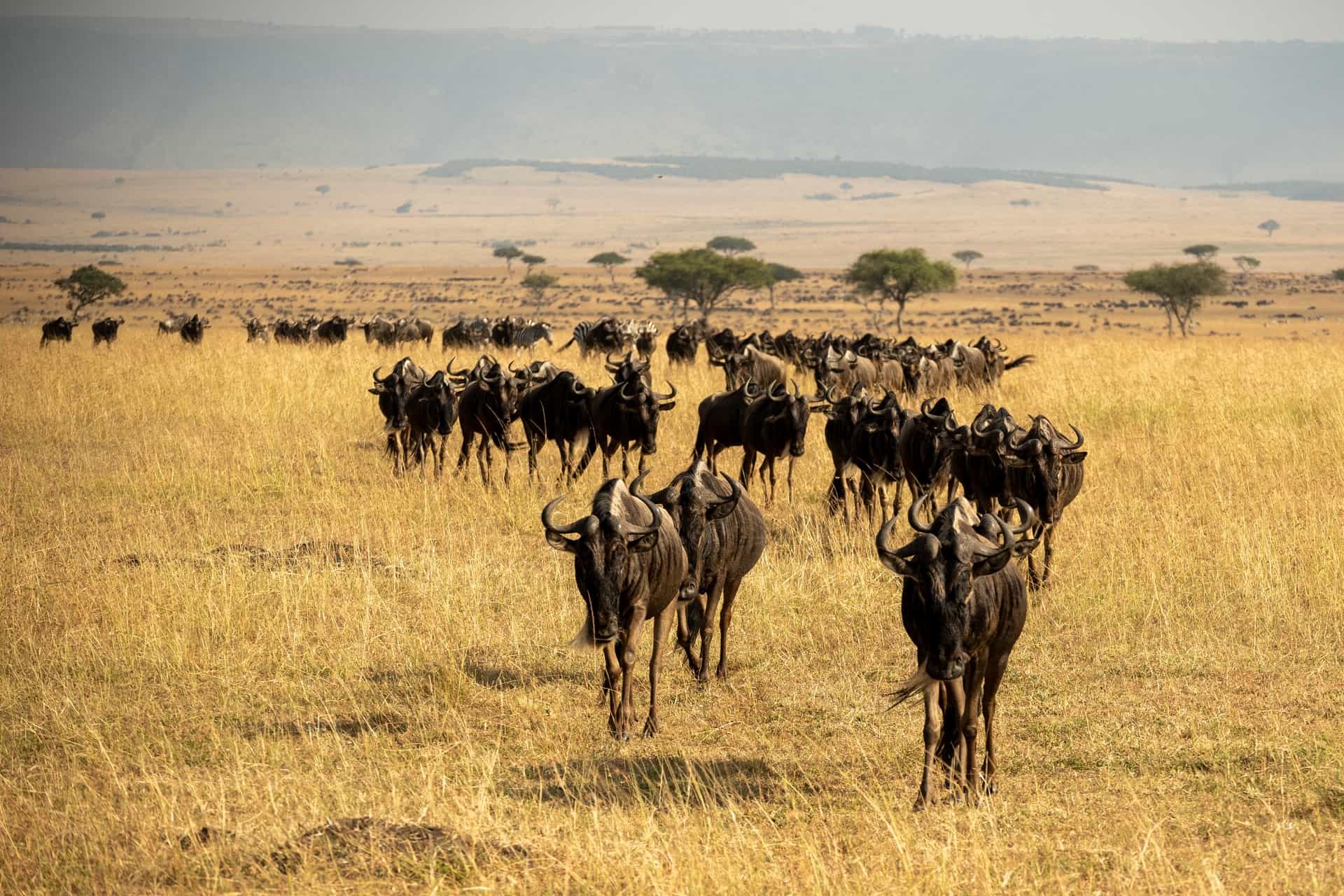
During parts of July through September, enormous herds of wildebeests and zebras continue their movement across the Serengeti ecosystem in search of grazing land.
People often read about it before traveling.
But reading and seeing are two very different things.
At first you may notice movement in the distance.
Then you realize the movement keeps going.
And going.
And going.
Suddenly you understand you are looking at thousands of animals spread across the landscape.
Dust rises into the air.
The sounds become louder.
The horizon seems alive.
Then comes the waiting around river crossings.
Everyone watches carefully. Guides focus on the herd. Cameras stay ready.
Sometimes nothing happens for a while.
Then suddenly everything changes.
Moments like these feel even more exciting during group safaris because anticipation becomes something shared. People react together, laugh together, and experience the surprise at the same time.
Those moments often become the stories travelers continue telling years later.
January And February Quietly Become Favorites For Many Travelers
While many people focus immediately on migration season, January and February often surprise visitors.
These months bring one of Tanzania’s most fascinating wildlife periods.
Calving season begins.
Across southern areas of the Serengeti, thousands of wildebeests give birth within a relatively short period.
Suddenly the landscape fills with newborn animals.
Tiny calves wobble through their first steps while remaining close to their mothers.
Watching these moments creates a very different safari feeling.
There is excitement, but there is also something peaceful and emotional about seeing new life begin in the middle of the wild.
Of course, wildlife follows natural patterns.
Predators understand exactly what this season means.
As newborn animals become abundant, lions, hyenas, and cheetahs become more active too.
This often creates dramatic wildlife encounters and very exciting game drives.
Many travelers leave surprised that they had never considered these months before.
Rain Does Not Always Mean A Bad Safari
The rainy season sometimes receives an unfair reputation.
People hear the word rain and immediately imagine muddy roads, constant storms, and disappointing wildlife experiences.
But Tanzania often surprises people.
The short rains around November and December do not necessarily mean entire days of heavy weather. Rain can arrive briefly and disappear just as quickly.
Afterward, the scenery begins changing.
Grass becomes greener.
Trees regain color.
Flowers begin appearing.
The air feels cleaner and fresher.
Everything starts feeling more alive.
For photographers, these changing landscapes can be beautiful. Birdwatchers often enjoy this season because migratory birds arrive during these months.
And perhaps one of the biggest advantages is the quieter atmosphere.
There are usually fewer safari vehicles around wildlife sightings, and many travelers enjoy the slower pace.
Sometimes those quieter moments become unexpectedly special.
The Best Time Depends On The Experience You Want
People often spend a lot of time searching for the perfect safari month.
But Tanzania rarely gives one universal answer.
The best time depends on what you hope to experience.
Some travelers dream of migration season.
Some want greener landscapes.
Some want lower prices.
Some want quieter parks.
Others simply want to finally experience Africa for the first time.
That is what makes Tanzania so special.
No matter when you visit, something is always changing. Wildlife continues moving. Landscapes continue transforming. Every season creates its own memories.
And when you join a group safari, you often discover that the journey becomes about much more than wildlife alone.
You remember the early mornings, the laughter during long drives, conversations with people you had only just met, and the excitement shared during unexpected sightings.
Years later, those small moments often become just as memorable as the animals themselves.
And perhaps that is the real answer.
The best time to join a group safari in Tanzania is often the time that finally gets you there.

Talk to us
- Email:
- Phone line:
- Whatsapp: