

Which Part of the Serengeti Is Best to Visit in July?
Which Part of the Serengeti Is Best to Visit in July?
So, You’re Going to the Serengeti in July? Let’s Find Your Spot.
First off, high-five. You’ve picked the absolute sweet spot.
July in the Serengeti is like showing up to a party right when the band starts playing. The mud is gone, the sun is golden, and the animals aren’t hiding in overgrown grass anymore. But here’s the thing that keeps every traveler up at night: “Where on earth do I actually go?”
The Serengeti is massive—like, shockingly massive. And if you pick the wrong corner, you could spend your whole trip staring at empty plains while the real action is happening miles away.
Don’t worry, I’ve got you. Let’s break it down like we’re planning your dream itinerary over a cold beer.
The Golden Rule of July: It’s All About the Timing
Here’s the deal: July is a month of two halves.
-
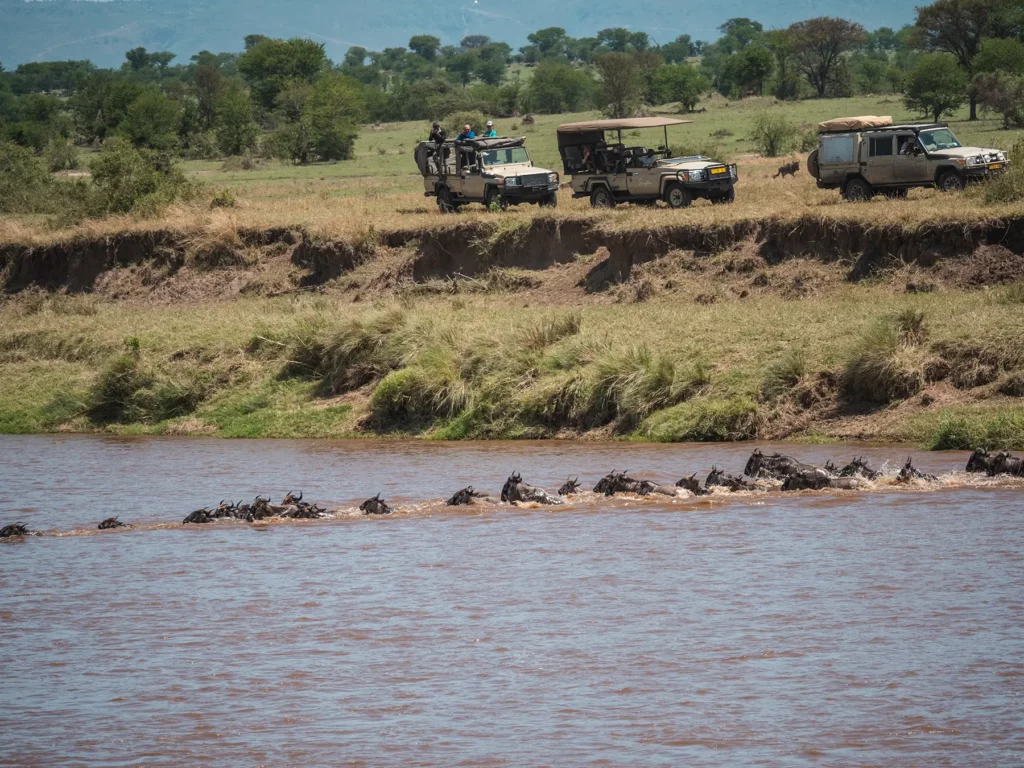
If you’re flying in early July, the herds are still hanging out in the west, getting ready to cross the Grumeti River.
-
If you’re coming late July, they’ve gotten restless and started marching north toward the Mara River.
Your entire experience hinges on which week you land. Get this right, and you’re in for a front-row seat to chaos, drama, and pure nature gold. Get it wrong, and you’ll be chasing dust clouds.
The Northern Serengeti: The Crown Jewel (But Only If You’re Late)
Let’s be honest—this is the poster child of safari dreams. The Northern Serengeti is where the big show happens.
Picture this: rolling hills that go on forever, the sky so big it makes you feel tiny, and then… thousands of wildebeest gathered on a riverbank, nervously shuffling their feet. They know what’s waiting in that water. You know what’s waiting. And when they finally take that leap? Pure, jaw-dropping pandemonium.
The best part? It feels wild up here. Fewer lodges, fewer jeeps, more silence. If you’re coming in the second half of July, this is where I’d send my own mother.
But, a word of warning: those river crossings are unpredictable. You might sit there for four hours and watch nothing—or you might catch the crossing of the century in your first ten minutes. That’s the magic and the misery of it.
The Western Corridor: The Underdog That Delivers Early On
If you’re an early-July traveler, don’t sleep on the Western Corridor.
This area doesn’t get as much hype as the north, and honestly? That’s a good thing. Fewer tourists, more elbow room. The herds are funnelling through here, crossing the Grumeti River, and let me tell you—the crocs in that river are enormous. They don’t mess around.
It’s a grittier, more raw experience than the polished north. You’ll drive through woodlands, spot elephants munching on trees, and watch lions laze under acacias like they own the place (spoiler: they do).
If you want drama without the crowds of late July, the West is your secret weapon.
The Central Serengeti: My Personal Favourite for “Sure Thing” Sightings
Okay, confession time. If I had to pick just one area to stay in July, I’d go to Central.
Why? Because it’s the reliable friend who never lets you down.
Sure, the massive herds might be off doing their migration thing, but Central is packed with resident animals that don’t leave. We’re talking big pride of lions lounging on kopjes (those gorgeous rocky outcrops), leopards draped over tree branches like they’re posing for a photoshoot, and herds of buffalo that look at you like you’re the intruder.
It’s also the easiest place to base yourself. Lodges are everywhere, airstrips are close, and if the migration shifts, you can always do a day trip or a fly-in to chase it.
Think of Central as your home base—the reliable heart of the Serengeti that gives you spectacular sightings even on a “quiet” day.
Where NOT to Go in July (Let’s Be Real)
I’m just going to say it: skip the Southern Serengeti in July.
I know, I know—it’s stunning. But in July? It’s a ghost town. The herds have cleared out, the plains are empty, and you’ll be driving around wondering where everyone went. Save the south for calving season (January to March), when it’s bursting with baby wildebeest. In July, it’s just… quiet. Too quiet.
The North vs. West Dilemma (Solved)
If you’re still torn between North and West, here’s the simplest way to decide:
-
Going early July? West, baby. That’s where the Grumeti crossings are hot.
-
Going late July? North. The Mara River is calling, and the herds are answering.
-
Got 7+ days? Do both. Seriously. Start in the Central, fly to the West, then end in the North. It’s a bucket-list trip that’ll ruin you for all other safaris.
Let’s Talk Weather (Because Nobody Tells You This)
Mornings in July are cold. Like, wrap yourself in a blanket while sipping cold coffee. You’ll be shivering in that open safari jeep, questioning your life choices. But by 10 AM? You’re shedding layers and slathering on sunscreen.
Days are perfectly warm—think 25°C (77°F)—and the skies are so blue they look photoshopped. No rain, no mud, just golden light that makes photographers weep with joy.
Pro tip: pack layers. A fleece, a scarf, a light jacket. You’ll thank me when you’re not freezing your toes off at sunrise.
The Predator Situation (Spoiler: It’s Intense)
Here’s the thing about July: where the herds go, the predators follow.
Lions don’t even bother hunting properly—they just stroll through the crowds and pick off the weak ones. Cheetahs use the open plains to chase down gazelles at top speed. Hyenas are always lurking, laughing in the background like they know something you don’t.
And leopards? They’re the ghosts of the bush. If you’re lucky, you’ll catch one draped over a sausage tree, finishing off yesterday’s kill. It’s raw, it’s brutal, and it’s absolutely mesmerizing.
My Honest Final Take
Look, there’s no “wrong” choice in July—just different choices.
-
If you want that iconic, heart-stopping river crossing, point your compass North (or West, depending on your dates).
-
If you want to see big cats every single day without playing hide-and-seek, stay in Central.
-
If you want to avoid the crowds and still see incredible wildlife, the West is your hidden gem.
But here’s the real secret: don’t overthink it. The Serengeti has a way of surprising you. You might plan for the north and end up falling in love with a random kopje in the middle of nowhere. That’s the beauty of it.
Pack your camera, bring your sense of wonder, and get ready for the most unforgettable week of your life. July in the Serengeti isn’t just a safari—it’s a feeling. And trust me, you’ll never shake it.
Now go book those flights. The wildebeest are waiting

Talk to us
- Email:
- Phone line:
- Whatsapp: